Can I Use Local Transport for Getting Around Uganda?
April 13, 2026
Can I See Traditional Ugandan Culture on a Safari?
April 13, 2026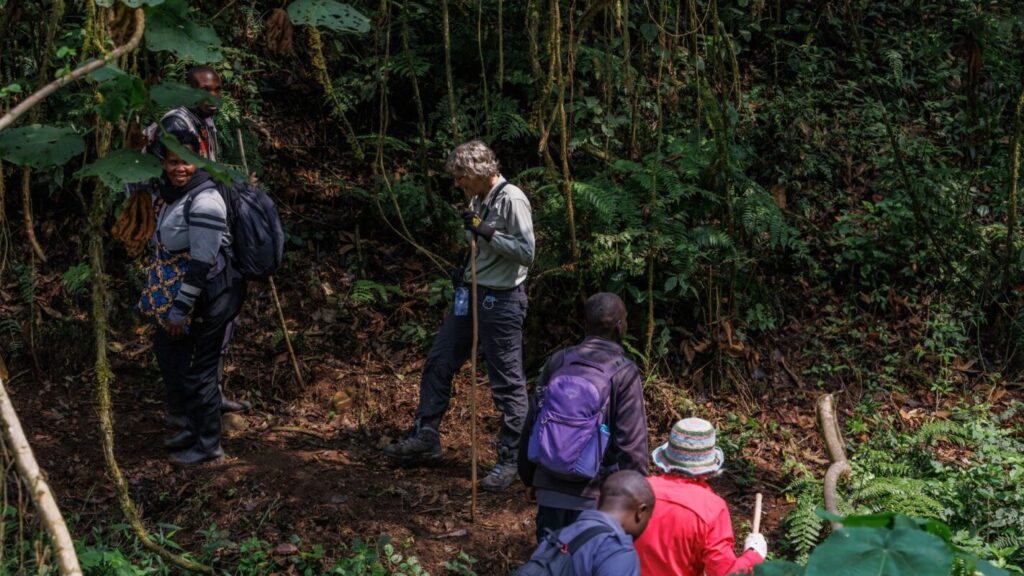
What’s the Best Time for Hiking in Uganda?
What’s the best time for hiking in Uganda during a Uganda safari? Uganda offers breathtaking hiking landscapes, including misty mountains, dense forests, rolling hills, and scenic valleys. Every Uganda safari combines wildlife, culture, and outdoor exploration in a unique way. Therefore, choosing the right season improves comfort, safety, and overall experience.
Uganda’s climate plays a key role in shaping hiking conditions. The country experiences both dry and wet seasons throughout the year. Dry months provide better trails, clearer views, and easier navigation. Meanwhile, rainy periods create lush scenery but also bring slippery paths and travel delays. Understanding these seasonal patterns helps travelers plan effectively.
Kitagata Safaris Uganda presents this comprehensive guide to help global travelers make informed decisions. This article explores hiking conditions, wildlife encounters, cultural experiences, and conservation insights. It also highlights how timing influences accessibility and enjoyment. Every section answers key questions while strengthening knowledge about Uganda safari planning. This approach builds trust, authority, and expertise in African tourism content.
Overview of Uganda Safari
What’s the best time for hiking in Uganda across diverse landscapes during a Uganda safari? Uganda offers a wide range of hiking destinations. These include mountain ranges, tropical forests, crater lakes, and savannah plains. Each region presents different challenges and rewards for hikers.
Understanding Uganda’s Terrain
Uganda’s terrain includes the Rwenzori Mountains, volcanic highlands, and forest reserves. These areas attract both beginner and experienced hikers. Trails vary in difficulty, elevation, and accessibility. Therefore, timing becomes essential for a successful Uganda safari.
Seasonal Influence on Hiking
Dry seasons, from June to August and December to February, provide ideal hiking conditions. Trails remain firm and easier to navigate. Visibility improves, allowing stunning views of landscapes and wildlife. In contrast, rainy seasons create muddy trails and increase physical effort.
Travel Planning Considerations
Travelers must align hiking plans with weather patterns and personal fitness levels. Early preparation ensures smooth experiences across different Uganda safari destinations. Choosing the right season enhances both safety and enjoyment while exploring Uganda’s natural beauty.
Unique Features of Uganda Safari
Uganda stands out for its diverse ecosystems and rich biodiversity. Hiking here combines adventure with cultural discovery and wildlife encounters.
Diverse Ecosystems
Uganda features tropical rainforests, alpine zones, and open savannah landscapes. Each ecosystem offers unique hiking experiences. The Rwenzori Mountains provide snow-capped peaks near the equator. Forest trails reveal hidden waterfalls and rare plant species.
Year-Round Appeal
Although dry seasons offer the best hiking conditions, Uganda remains attractive year-round. Rainy seasons transform landscapes into lush green environments. This creates beautiful scenery for photography and nature lovers.
Cultural Encounters
Hiking routes often pass through local communities. Travelers interact with residents, learn traditions, and experience daily life. These cultural moments enrich every Uganda safari journey.
Uganda’s unique combination of landscapes and cultures makes hiking truly special. Choosing the right time enhances these experiences significantly.
Wildlife in Uganda Safari
Uganda hosts incredible wildlife, including mountain gorillas, chimpanzees, elephants, and diverse bird species. Hiking often brings travelers close to these animals.
Gorilla and Chimpanzee Trekking
Dry seasons provide the best conditions for gorilla trekking. Trails remain accessible, and trekking becomes less physically demanding. Chimpanzee tracking also improves during these months due to better visibility.
Birdwatching Opportunities
Uganda ranks among the top birdwatching destinations globally. Dry seasons allow easier movement through forests and wetlands. However, rainy seasons attract migratory birds, offering unique sightings.
Safety and Accessibility
Wildlife tracking requires proper timing and planning. Park authorities organize guided hikes to ensure safety. Dry conditions improve accessibility to remote areas during a Uganda safari.
Hiking during the right season increases chances of successful wildlife encounters. It also enhances comfort and safety for travelers.
Activities in Uganda Safari
Uganda offers more than hiking alone. Travelers combine trekking with other exciting experiences.
Adventure Activities
Popular activities include gorilla trekking, mountain climbing, and nature walks. Dry seasons support these adventures with stable weather conditions. Trails remain accessible, reducing physical strain.
Water-Based Experiences
Uganda’s rivers and lakes offer activities like boat cruises and rafting. These complement hiking experiences and create diverse itineraries.
Cultural Experiences Near Safari Lodges
Travelers enjoy cultural visits near safari lodges. Activities include traditional dance performances, craft markets, and local cuisine experiences. Visiting nearby villages provides insight into Ugandan heritage.
Combining hiking with cultural and adventure activities creates a well-rounded Uganda safari. Timing plays a key role in maximizing these experiences.
Conservation and Challenges
Responsible tourism protects Uganda’s natural and cultural resources. Hiking impacts fragile ecosystems, so travelers must act carefully.
Environmental Awareness
Dry seasons reduce trail damage and soil erosion. This makes them ideal for sustainable hiking. Travelers should follow designated paths and respect wildlife habitats.
Challenges During Rainy Seasons
Rainy seasons increase environmental risks. Muddy trails lead to erosion and habitat disturbance. However, these seasons support plant growth and biodiversity.
Supporting Conservation Efforts
Park fees and guided tours contribute to conservation programs. These efforts protect endangered species and support local communities. Choosing responsible operators enhances positive impact.
Responsible hiking ensures long-term sustainability of Uganda safari destinations. It also strengthens conservation initiatives across the country.
Getting to Uganda Safari: What’s the Best Time for Hiking in Uganda After Arrival?
What’s the best time for hiking in Uganda after arriving for a Uganda safari? Most travelers enter Uganda through Entebbe International Airport. From there, they travel to various hiking destinations.
Transport and Accessibility
Dry seasons improve road conditions significantly. Travelers reach remote hiking areas more easily. Rainy seasons may cause delays due to poor road conditions.
Planning Travel Routes
Careful planning ensures smooth transitions between destinations. Travelers often combine domestic flights and road travel. This approach saves time and increases comfort.
Arrival Timing
Arriving during dry months allows immediate participation in hiking activities. This maximizes time spent exploring Uganda’s landscapes.
Understanding travel logistics enhances the overall Uganda safari experience. It ensures efficient movement between hiking destinations.
Accommodation in Uganda Safari
What’s the best time for hiking in Uganda while enjoying accommodation during a Uganda safari? Uganda offers diverse lodging options near hiking destinations.
Types of Accommodation
Travelers choose from luxury lodges, mid-range camps, and budget guesthouses. Each option provides different levels of comfort and proximity to hiking trails.
Seasonal Availability
Dry seasons attract more visitors, increasing demand for accommodation. Early booking ensures availability and better choices.
Cultural Experiences Around Lodges
Safari lodges often organize cultural activities. Guests participate in traditional dances, storytelling, and community visits. Local guides share knowledge about history and customs.
Accommodation plays a key role in shaping the hiking experience. Choosing the right lodge enhances comfort and cultural immersion during a Uganda safari.
Best Time to Visit Uganda Safari
What’s the best time for hiking in Uganda throughout the year during a Uganda safari? Uganda’s climate features two main dry seasons and two rainy seasons.
Dry Seasons
June to August and December to February offer ideal hiking conditions. Trails remain dry, and weather stays sunny. These months provide the best overall experience.
Rainy Seasons
March to May and September to November bring heavy rains. Trails become challenging, but landscapes turn lush and vibrant. This appeals to photographers and nature enthusiasts.
Choosing the Right Time
Travelers must balance preferences for weather, scenery, and crowd levels. Dry seasons provide convenience, while rainy seasons offer unique beauty.
Selecting the best time ensures a rewarding Uganda safari experience. It enhances both hiking and overall exploration.
Conclusion: What’s the Best Time for Hiking in Uganda for an Unforgettable Uganda Safari?
What’s the best time for hiking in Uganda for an unforgettable Uganda safari? Dry seasons remain the top choice for most travelers. They provide favorable weather, accessible trails, and better wildlife viewing opportunities.
However, Uganda offers rewarding experiences throughout the year. Rainy seasons bring lush landscapes and fewer crowds. Each season presents unique advantages for different travel preferences.
Kitagata Safaris Uganda encourages travelers to plan carefully and choose the right timing. This ensures a safe, enjoyable, and memorable hiking adventure. Combining proper timing with expert guidance creates exceptional safari experiences.
A Uganda safari becomes more than a journey. It transforms into a meaningful exploration of nature, culture, and adventure. Choosing the best time for hiking unlocks the full potential of Uganda’s beauty and diversity.