Is a Hot Air Balloon Safari Over the Maasai Mara Easily Coordinated from Angama Mara?
June 12, 2026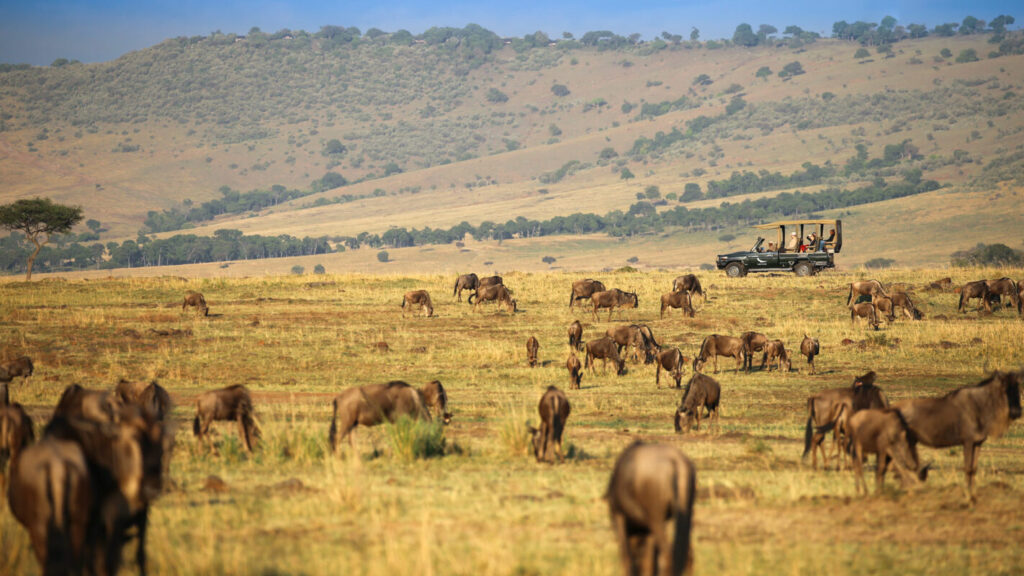
How Does Wildlife Viewing in the Mara Triangle Differ from the Central or Eastern Maasai Mara?
The Maasai Mara National Reserve, a jewel in Kenya’s safari crown, offers an unparalleled wildlife spectacle. However, this vast ecosystem is not uniform, and different areas present distinct safari experiences. For travelers planning their ultimate African adventure, a critical question arises: How does wildlife viewing in the Mara Triangle differ from the central or eastern Maasai Mara? Kitagata Safaris Uganda is here to guide you through these nuances, ensuring you choose the perfect setting for your dream safari.
Understanding the Maasai Mara’s Diverse Zones
The Maasai Mara ecosystem is broadly divided into the main Maasai Mara National Reserve and various conservancies. The main reserve itself can be further segmented into the Mara Triangle (western side) and the central/eastern sectors. To truly appreciate your safari, it’s essential to understand these distinctions. So, how does wildlife viewing in the Mara Triangle differ from the central or eastern Maasai Mara? The answer lies in geography, management, and the resulting visitor experience.
The Mara Triangle: A Haven of Exclusivity and Conservation
The Mara Triangle, managed by the non-profit Mara Conservancy, is situated west of the Mara River and borders the Serengeti National Park [1]. This area is celebrated for its lower visitor density, stricter vehicle control, and well-maintained road network. This careful management directly influences how does wildlife viewing in the Mara Triangle differ from the central or eastern Maasai Mara, often leading to more intimate and less crowded wildlife encounters, even during peak migration season [1] [2].
Central and Eastern Maasai Mara: Abundance and Accessibility
Conversely, the central and eastern parts of the Maasai Mara National Reserve are generally more accessible from Nairobi and host a wider array of camps and lodges across various price points. These areas are vast and rich in wildlife, particularly during the Great Migration. However, the higher number of visitors and vehicles, especially around popular sightings and river crossing points, is a key factor in how does wildlife viewing in the Mara Triangle differ from the central or eastern Maasai Mara [2].
Wildlife Viewing Experience: How Do They Compare?
The core of any safari is the wildlife, and the experience can vary significantly depending on where you are in the Mara. Let’s delve into how does wildlife viewing in the Mara Triangle differ from the central or eastern Maasai Mara in terms of actual game viewing.
Crowd Levels and Sighting Quality
One of the most significant differences lies in crowd levels. In the Mara Triangle, the Mara Conservancy actively limits the number of vehicles at sightings, often resulting in only 3-5 vehicles per sighting, even during peak times [2]. This allows for a more peaceful and immersive viewing experience, with less disruption to animal behavior. In contrast, the central and eastern areas can see 20+ vehicles at a single sighting, particularly during the Great Migration, which can impact the quality of the encounter. This directly answers how does wildlife viewing in the Mara Triangle differ from the central or eastern Maasai Mara regarding tranquility and photographic opportunities.
Great Migration River Crossings
Both regions offer opportunities to witness the iconic Great Migration river crossings, as the Mara River forms the boundary between them. However, the Mara Triangle‘s primary crossing areas, such as the Sand River confluence, are often less crowded than the more numerous and well-documented crossing points in the central and eastern reserve [2]. If witnessing a crossing with fewer onlookers is a priority, the Mara Triangle offers a distinct advantage, showcasing how does wildlife viewing in the Mara Triangle differ from the central or eastern Maasai Mara during this spectacular event.
Year-Round Wildlife Concentrations
While the Great Migration is seasonal, both areas boast impressive resident wildlife populations. The Mara Triangle is known for its excellent year-round game viewing, with vast open plains and acacia forests supporting a diverse array of animals, including predators [3]. The central and eastern areas also have high concentrations of wildlife, particularly lions and cheetahs, and are often more accessible for general game drives. Therefore, when considering how does wildlife viewing in the Mara Triangle differ from the central or eastern Maasai Mara for resident game, both offer abundance, but the Triangle often provides a more exclusive setting.
Cultural Immersion: What Experiences Await in Each Region?
Beyond the wildlife, the Maasai Mara is rich in cultural heritage. So, what cultural experiences can you expect, and how does wildlife viewing in the Mara Triangle differ from the central or eastern Maasai Mara in terms of cultural engagement?
Maasai Community Engagement in the Mara Triangle
The Mara Triangle’s conservancy model often means a closer relationship with the local Maasai communities. Many lodges within or adjacent to the Triangle actively support and involve the Maasai, offering authentic cultural visits to local villages (bomas), guided nature walks with Maasai warriors, and opportunities to learn about their traditions and way of life [3]. This direct benefit to the community and immersive interaction is a key aspect of the cultural experience in the Mara Triangle.
Cultural Opportunities in the Wider Maasai Mara
The central and eastern parts of the Maasai Mara also offer cultural experiences, including visits to Maasai villages and cultural centers. While these can be enriching, the higher visitor numbers might sometimes lead to a more commercialized feel compared to the more intimate encounters often found in the Mara Triangle. Therefore, when asking how does wildlife viewing in the Mara Triangle differ from the central or eastern Maasai Mara culturally, the Triangle often provides a more integrated and less tourist-heavy interaction.
Conclusion: Choosing Your Ideal Maasai Mara Safari with Kitagata Safaris Uganda
Ultimately, the choice between the Mara Triangle and the central or eastern Maasai Mara depends on your safari priorities. If exclusivity, fewer crowds, and a strong conservation ethos are paramount, the Mara Triangle offers a distinct advantage, profoundly influencing how does wildlife viewing in the Mara Triangle differ from the central or eastern Maasai Mara. If you prioritize accessibility, a wider range of accommodation options, and a higher number of migration crossing points (even with more vehicles), the central and eastern areas might be more suitable. Kitagata Safaris Uganda specializes in crafting bespoke safaris that align with your preferences, ensuring an unforgettable journey into the heart of the Maasai Mara.
Comparative Overview: Mara Triangle vs. Central/Eastern Maasai Mara
| Feature | Mara Triangle | Central/Eastern Maasai Mara |
| Management | Mara Conservancy (non-profit) | Kenya Wildlife Service (KWS) |
| Crowd Levels | Lower, stricter vehicle limits | Higher, especially at popular sightings |
| Road Quality | Consistently better maintained | Varies, can be rougher in some areas |
| Great Migration Crossings | Fewer, less crowded crossing points | More numerous, potentially crowded crossing points |
| Year-Round Wildlife | Excellent, concentrated | Excellent, widespread |
| Accommodation | Skews towards upper-mid to luxury | Wide range, budget to luxury |
| Cultural Experience | Often more intimate, community-integrated | Available, can be more commercialized |
| Access | Primarily Oloololo Gate, often by air | Multiple gates (Sekenani, Talek), by road or air |