What’s the Best Time for Hiking in Uganda?
April 13, 2026
How Much Does It Cost to Go Gorilla Trekking in Rwanda?
April 15, 2026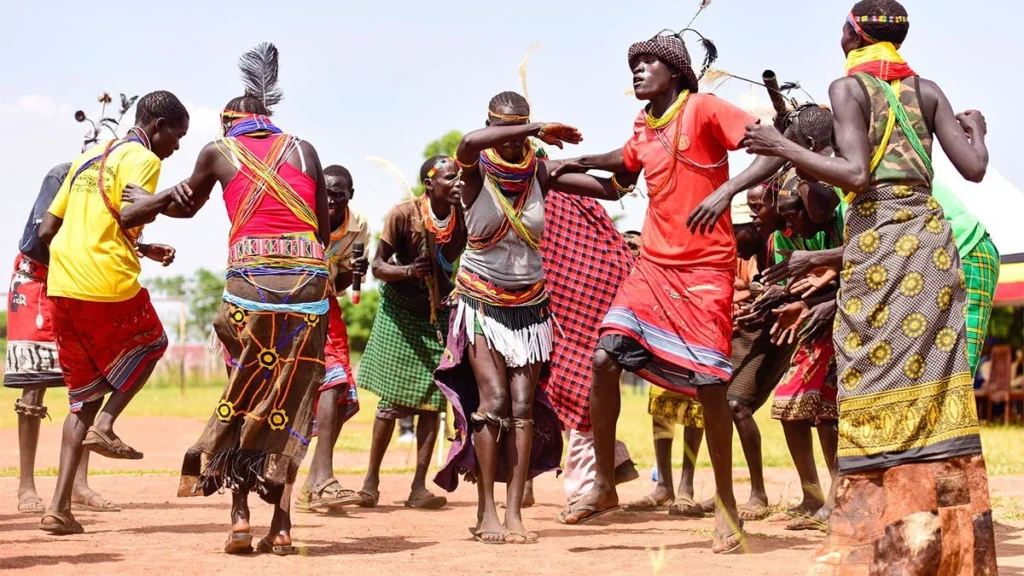
Can I See Traditional Ugandan Culture on a Safari?
Can I see traditional Ugandan culture on a safari during a Uganda safari experience? Uganda stands as a destination where wildlife and culture exist side by side. Travelers do not only encounter animals and landscapes. They also connect with people, traditions, and heritage that shape the nation’s identity.
A Uganda safari delivers more than game drives and trekking adventures. It introduces visitors to authentic cultural experiences rooted in daily life. Communities across the country welcome guests with music, storytelling, crafts, and cuisine. These interactions create deeper connections and lasting memories. Therefore, cultural exploration becomes a vital part of every Uganda safari.
Kitagata Safaris Uganda designs experiences that blend nature with culture seamlessly. This approach allows travelers to explore Uganda holistically. Visitors gain insight into traditions while enjoying world-class wildlife encounters. Each journey reflects authenticity, respect, and meaningful engagement. This guide explains how cultural experiences enrich a Uganda safari and answers key questions for global travelers.
Overview of Uganda Safari
Uganda offers a diverse cultural landscape shaped by over fifty ethnic groups. Each community contributes unique traditions, languages, and lifestyles. This diversity makes every Uganda safari culturally enriching and dynamic.
Cultural Diversity Across Regions
Different regions of Uganda present distinct cultural identities. Western Uganda features pastoral communities with strong cattle traditions. Central Uganda highlights the heritage of the Buganda Kingdom. Northern Uganda showcases resilience through music and storytelling traditions.
Integration with Safari Experiences
Cultural activities integrate naturally into safari itineraries. Travelers visit villages, attend performances, and explore local markets. These experiences complement wildlife encounters and create balanced travel experiences.
Authentic Cultural Engagement
Visitors engage directly with communities rather than observing from a distance. This interaction fosters mutual respect and understanding. Travelers gain deeper appreciation for Uganda’s cultural richness.
A Uganda safari offers a complete journey that blends nature and culture. Exploring both aspects creates a meaningful and immersive experience.
Can I See Traditional Ugandan Culture on a Safari in Authentic Ways?
Can I see traditional Ugandan culture on a safari in authentic ways during a Uganda safari? Uganda stands out for its ability to preserve cultural traditions while welcoming global visitors. This balance creates unique and genuine experiences for travelers.
Living Traditions
Communities maintain their cultural practices in everyday life. Visitors witness real traditions rather than staged performances. This authenticity enhances the value of each Uganda safari.
Cultural Sites and Experiences
Travelers visit cultural centers, heritage sites, and local homes. The Ndere Cultural Centre offers vibrant performances showcasing dances from across Uganda. These performances provide insight into different tribes and their traditions.
Indigenous Community Visits
Near Bwindi Impenetrable National Park, travelers meet the Batwa community. This group shares knowledge about forest life, hunting techniques, and traditional practices. These interactions provide meaningful cultural learning experiences.
Uganda’s unique approach to cultural tourism ensures authenticity and respect. Travelers experience traditions in their natural context, which enriches every Uganda safari journey.
Wildlife in Uganda Safari
Uganda creates a rare opportunity to combine cultural experiences with exceptional wildlife encounters. This combination defines the country’s tourism appeal.
Cultural Life Around Wildlife Areas
Communities live near national parks and conservation areas. Their lifestyles often connect closely with nature and wildlife. Visitors learn how these communities coexist with animals.
Gorilla Trekking and Cultural Visits
After trekking in Bwindi Impenetrable National Park, travelers often visit nearby villages. These visits include storytelling, traditional dances, and craft demonstrations.
Pastoral Traditions in Western Uganda
In regions like Ankole, travelers explore cattle farms featuring long-horned cattle. These farms reflect deep cultural values tied to livestock and land.
Combining wildlife and culture creates a well-rounded Uganda safari. It allows travelers to understand both natural ecosystems and human traditions.
Activities in Uganda Safari
Can I see traditional Ugandan culture on a safari through engaging activities during a Uganda safari? Uganda offers a wide range of cultural activities that enrich every travel experience.
Traditional Dance and Music
Cultural performances showcase rhythm, movement, and storytelling. Visitors participate in dances and learn about their meanings. These experiences create memorable connections.
Craft Making and Local Markets
Travelers visit local markets and craft centers. They observe artisans creating handmade products such as baskets and jewelry. These interactions support local economies and preserve traditions.
Village Walks and Community Tours
Guided village walks introduce visitors to daily life. Travelers learn about farming practices, cooking methods, and social structures. These tours provide authentic insights into Ugandan culture.
Cultural Experiences Near Safari Lodges
Many safari lodges organize cultural visits. Guests enjoy storytelling sessions, traditional meals, and community interactions. These experiences enhance comfort while maintaining authenticity.
Cultural activities transform a Uganda safari into a deeper exploration of identity and heritage. They create lasting impressions for global travelers.
Conservation and Challenges
Can I see traditional Ugandan culture on a safari while contributing to conservation during a Uganda safari? Cultural tourism supports both communities and conservation efforts across Uganda.
Community Empowerment
Tourism generates income for local communities. Cultural experiences create employment opportunities and support livelihoods. This encourages preservation of traditions.
Balancing Tourism and Tradition
Communities maintain their cultural identity while engaging with visitors. Responsible tourism ensures respect and sustainability. Travelers must follow guidelines and respect local customs.
Environmental and Cultural Challenges
Rapid tourism growth presents challenges such as cultural dilution and environmental pressure. Proper management ensures long-term sustainability.
Choosing responsible safari operators like Kitagata Safaris Uganda ensures ethical practices. This approach benefits both travelers and host communities.
Getting to Uganda SafarI
Can I see traditional Ugandan culture on a safari after arriving in Uganda for a Uganda safari? Accessing cultural experiences begins immediately after arrival.
Entry and Travel Routes
Most travelers arrive through Entebbe International Airport. From there, they travel to Kampala and other regions. Cultural sites exist across the country.
Exploring Cultural Centers
In Kampala, visitors explore the Ndere Cultural Centre. This center provides a comprehensive introduction to Uganda’s cultural diversity.
Travel to Rural Communities
Travelers journey to regions like Bwindi for deeper cultural experiences. These areas offer authentic interactions with indigenous communities.
Planning travel routes ensures access to both urban and rural cultural experiences. This enhances the overall Uganda safari journey.
Accommodation in Uganda Safari
Can I see traditional Ugandan culture on a safari while staying at safari lodges during a Uganda safari? Accommodation plays a key role in cultural immersion.
Culturally Inspired Lodges
Many lodges reflect local architecture and design. They incorporate traditional materials and styles. This creates an authentic atmosphere for guests.
Community-Based Tourism
Some lodges partner with local communities. Guests participate in cultural activities organized by these communities. This supports sustainable tourism.
Cultural Experiences Around Lodges
Guests enjoy traditional meals, storytelling, and dance performances. Nearby villages offer additional experiences such as farming activities and craft making.
Choosing the right accommodation enhances cultural engagement during a Uganda safari. It creates a deeper connection to local traditions.
Best Time to Visit Uganda Safari
Can I see traditional Ugandan culture on a safari throughout the year during a Uganda safari? Cultural experiences remain available year-round in Uganda.
Seasonal Considerations
Dry seasons provide easier travel conditions. Roads remain accessible, and outdoor activities become more convenient.
Cultural Events and Festivals
Certain times of the year feature cultural festivals and celebrations. These events offer vibrant experiences for visitors.
Year-Round Cultural Access
Communities maintain their traditions regardless of season. Travelers experience authentic culture at any time of the year.
Timing influences travel comfort but does not limit cultural exploration. A Uganda safari offers cultural richness throughout the year.
Conclusion: Can I See Traditional Ugandan Culture on a Safari for a Meaningful Uganda Safari Experience?
Can I see traditional Ugandan culture on a safari for a meaningful Uganda safari experience? The answer remains a strong yes. Uganda offers a unique blend of wildlife and cultural heritage that enriches every journey.
Travelers engage with communities, learn traditions, and experience daily life. These interactions create deeper understanding and lasting memories. Cultural experiences complement wildlife adventures and enhance the overall safari.
Kitagata Safaris Uganda delivers expertly designed journeys that balance authenticity and comfort. This approach ensures meaningful and responsible travel experiences.
A Uganda safari becomes more than exploration. It becomes a connection to people, traditions, and nature. Choosing cultural experiences transforms travel into a powerful and unforgettable journey.