
When Is the Best Time for Tanzania Cultural Safaris?
March 11, 2026
What Are the Challenges Facing Tanzania Cultural Safaris?
March 11, 2026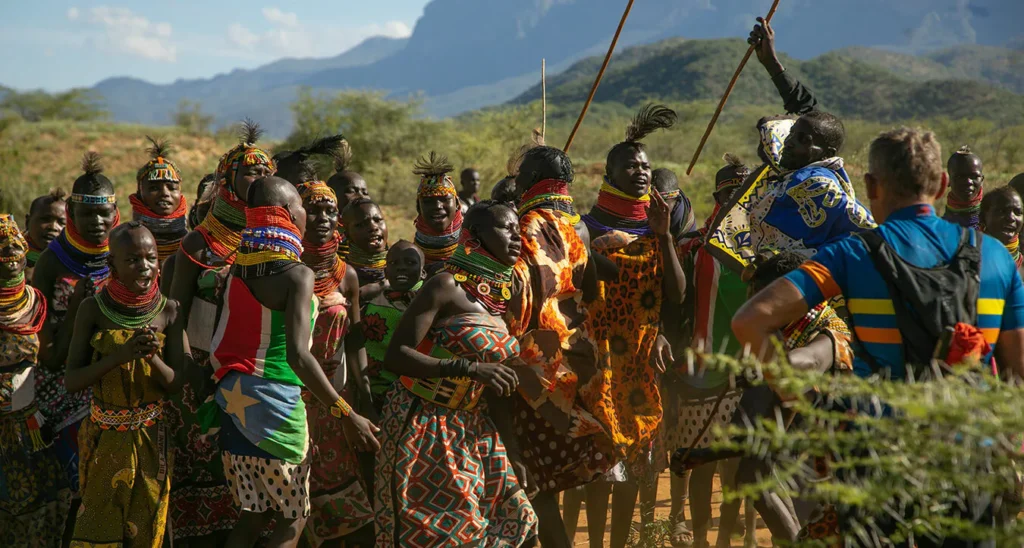
Are Tanzania Cultural Safaris Ethical?
Travelers today search for deeper connections during African adventures. Wildlife viewing remains important. However, meaningful cultural engagement now shapes many safari decisions. Therefore, responsible tourism must guide every cultural experience.
The central question many travelers ask concerns ethics. Are Tanzania cultural safaris ethical? Responsible cultural tourism depends on respectful, authentic interactions. Visitors must experience real community life without staged performances or artificial displays.
Tanzania Cultural Safaris create opportunities to learn directly from communities who proudly preserve their heritage. Authentic cultural visits allow travelers to understand traditions, values, and daily lifestyles. These encounters enrich travel experiences while supporting local development.
However, ethical tourism requires thoughtful planning and responsible safari operators. Communities must benefit directly from tourism activities. Cultural traditions must remain protected from commercialization or exploitation.
Kitagata Safaris Uganda designs Tanzania Cultural Safaris that prioritize respect, authenticity, and sustainability. Every itinerary focuses on genuine engagement with local communities. Travelers learn about cultural traditions through real daily activities rather than staged shows.
Ethical cultural tourism strengthens community pride and economic stability. Local guides share knowledge about traditions, agriculture, crafts, and spiritual beliefs. Visitors gain deeper appreciation for African heritage.
What Makes Tanzania Cultural Safaris Ethical?
Authentic Community Interaction in Tanzania Cultural Safaris
Ethical tourism stands at the center of responsible travel across Africa. Therefore, Tanzania Cultural Safaris must protect cultural heritage while supporting local livelihoods.
Authentic cultural safaris avoid staged performances created only for visitors. Instead, travelers observe real daily life within welcoming communities. Local families continue their normal routines during visits.
Visitors witness farming activities, livestock care, traditional cooking, and craft production. These experiences reflect genuine cultural practices. Communities maintain dignity and cultural pride during every interaction.
Kitagata Safaris Uganda ensures Tanzania Cultural Safaris follow ethical tourism principles. Communities participate actively in tourism planning and management. Local leaders approve cultural visits and determine appropriate visitor activities.
Additionally, cultural tourism revenue supports community projects. Funds improve schools, health services, and local infrastructure. Tourism therefore creates meaningful benefits for host communities.
Visitors also learn cultural etiquette before village visits. Respectful behavior encourages positive cross-cultural relationships. Photography guidelines and dress codes protect community dignity.
Ethical cultural tourism protects traditions rather than exploiting them. Travelers leave with deeper cultural understanding and appreciation.
These responsible experiences transform ordinary tourism into powerful cultural exchange.
What Can I Expect in a Tanzania Cultural Safaris Experience?
Tanzania offers remarkable cultural diversity. More than 120 ethnic groups live across the country. Each community preserves unique languages, traditions, music, and artistic expression.
During Tanzania Cultural Safaris, visitors explore traditional villages guided by knowledgeable local hosts. Community members introduce guests to their homes, farms, and cultural practices.
The Maasai communities in northern Tanzania welcome visitors into pastoral life. Guests learn about livestock management, beadwork craftsmanship, and traditional warrior culture. Cultural dances and storytelling often accompany village visits.
The Hadzabe hunter-gatherers near Lake Eyasi offer one of Africa’s most fascinating cultural experiences. This ancient community practices traditional hunting and gathering methods. Visitors observe bow hunting skills and forest survival knowledge.
Datoga communities demonstrate traditional blacksmith craftsmanship. These artisans create farming tools using techniques passed through generations.
Chagga communities near Mount Kilimanjaro share agricultural knowledge and coffee cultivation traditions. Visitors explore banana farms and underground caves that protected villagers during historic conflicts.
Kitagata Safaris Uganda creates Tanzania Cultural Safaris that emphasize cultural education. Travelers gain authentic insights into African heritage and community resilience.
Each experience deepens cultural awareness and mutual respect.
What Are the Best Places in Tanzania for Tanzania Cultural Safaris?
Northern Tanzania provides some of the most rewarding cultural travel opportunities. The region combines stunning landscapes with vibrant cultural traditions.
Ngorongoro Conservation Area offers opportunities to visit Maasai communities living near wildlife habitats. These pastoral societies maintain ancient traditions that revolve around cattle and seasonal migration.
Lake Eyasi hosts both the Hadzabe and Datoga communities. Visitors explore unique cultural lifestyles that differ greatly from modern urban environments.
Mount Kilimanjaro also offers rich cultural experiences within Chagga villages. Travelers discover traditional farming methods and coffee production systems.
Arusha serves as a cultural gateway for community tourism programs. Travelers explore local markets, traditional farms, and craft centers that highlight Tanzanian creativity.
Zanzibar Island introduces travelers to Swahili culture shaped by centuries of global trade. Historic architecture, coastal traditions, and vibrant markets create unforgettable cultural exploration.
How Much Are the Permits for Tanzania Cultural Safaris?
Cultural tourism operates through community-based tourism initiatives. Visitors contribute directly to local development through cultural visit fees.
Village visits typically cost between 20 and 60 US dollars per person. The final cost depends on location, group size, and cultural activities included in the experience.
Some cultural visits include guided village walks, traditional dance demonstrations, and craft workshops. These activities often last several hours and provide deep cultural engagement.
Specialized cultural activities sometimes involve additional costs. For example, guided Hadzabe hunting experiences include forest walks with experienced community trackers.
These cultural permits support community development programs. Tourism revenue helps fund education, healthcare services, and cultural preservation initiatives.
The Accommodations During Tanzania Cultural Safaris
Comfortable Lodges Supporting Tanzania Cultural Safaris
Comfortable lodging plays an essential role during Tanzania Cultural Safaris. Travelers require relaxing environments after immersive cultural exploration.
Many safari lodges in northern Tanzania combine modern comfort with traditional African design. These properties create warm atmospheres that reflect regional culture.
Eco-lodges near Lake Eyasi provide excellent access to Hadzabe and Datoga communities. Guests enjoy peaceful surroundings while preparing for cultural excursions.
Mount Kilimanjaro lodges offer unique cultural experiences within Chagga communities. Visitors often participate in coffee processing tours and traditional cooking demonstrations.
Zanzibar boutique hotels reflect Swahili architecture and coastal cultural heritage. Stone Town properties showcase carved doors, historic courtyards, and ocean views.
Luxury safari lodges near Ngorongoro combine wildlife viewing with cultural village visits. Travelers enjoy high comfort standards while exploring local traditions.
What Can I Pack for Tanzania Cultural Safaris?
Lightweight clothing suits Tanzania’s warm climate. Breathable fabrics help travelers stay comfortable during outdoor cultural activities.
Neutral-colored clothing works best for village visits. Modest dress demonstrates respect for local traditions and cultural norms.
Comfortable walking shoes remain essential. Many cultural tours involve walking through villages, farms, and local markets.
Sun protection also remains important. Travelers should pack hats, sunscreen, and sunglasses for outdoor exploration.
A reusable water bottle supports hydration during cultural excursions. Travelers often spend several hours exploring communities.
Photography equipment allows visitors to document travel experiences. However, respectful photography requires permission from community members.
Small notebooks help travelers record cultural insights and stories learned during village visits.
Can I Combine Uganda Cultural Safaris with Tanzania Cultural Safaris?
Combining these destinations creates extraordinary cultural journeys across East Africa. Each country presents unique traditions, communities, and historical influences.
Uganda cultural safaris introduce visitors to communities such as the Batwa forest people and the Karamojong pastoralists. Travelers explore traditional kingdoms, music traditions, and agricultural practices.
Tanzania cultural safaris then expand cultural understanding with Maasai, Hadzabe, Datoga, and Chagga communities.
This multi-country cultural experience reveals Africa’s extraordinary diversity. Travelers observe different languages, architecture styles, traditional clothing, and food cultures.
Wildlife adventures also complement cultural exploration. Gorilla trekking in Uganda pairs beautifully with Serengeti wildlife safaris in Tanzania.
What Does Kitagata Safaris Uganda Offer You on Tanzania Cultural Safaris?
The company focuses on authentic cultural immersion guided by experienced professionals. Every itinerary highlights community-led tourism initiatives.
Village walking tours introduce travelers to daily community life. Guests explore farms, homes, and traditional markets with knowledgeable local guides.
Cooking experiences allow travelers to learn traditional food preparation. Guests prepare local dishes using regional ingredients and cooking techniques.
Craft workshops provide opportunities to learn beadwork, pottery, or basket weaving. Visitors connect with artisans who preserve traditional craftsmanship.
Agricultural tours reveal farming systems that sustain rural communities. Travelers learn about crops such as bananas, coffee, and maize.
Evening storytelling gatherings offer powerful cultural education. Elders share historical knowledge and oral traditions around village fires.
Why Choose Kitagata Safaris Uganda for Your Tanzania Cultural Safaris?
The company brings strong expertise in African tourism and cultural travel planning. Professional guides possess deep knowledge about East African traditions and heritage.
Community partnerships form the foundation of every Tanzania Cultural Safaris itinerary. Local leaders collaborate with safari planners to ensure respectful visitor experiences.
Customized travel planning also distinguishes the company’s services. Travelers receive itineraries tailored to personal interests, travel schedules, and cultural curiosity.
Responsible tourism remains a central commitment. Cultural visits support local economic development while protecting heritage traditions.
Professional logistics planning ensures smooth travel experiences across Tanzania’s diverse regions.
Kitagata Safaris Uganda continues building authority within the African tourism industry. The company prioritizes authenticity, transparency, and traveler safety.
Global travelers seeking meaningful African cultural journeys trust experienced operators who understand responsible tourism.
Choosing the right safari partner ensures unforgettable cultural exploration.
Conclusion: Ethical Tanzania Cultural Safaris Create Meaningful Travel
Ethical tourism plays a vital role in preserving Africa’s cultural heritage. Therefore, Tanzania Cultural Safaris must focus on authenticity, respect, and community benefit.
Responsible cultural tours emphasize genuine interaction rather than staged performances. Travelers experience real daily life while supporting local development.
Communities maintain control over tourism activities and cultural presentation. This approach protects traditions while creating sustainable economic opportunities.
Kitagata Safaris Uganda proudly offers ethical Tanzania Cultural Safaris that promote respectful cultural exchange.
Travelers gain valuable cultural knowledge while building connections with welcoming Tanzanian communities.
These experiences create lasting memories and deeper global understanding.
Responsible travel ensures that Tanzania’s rich cultural heritage continues inspiring future generations.