
Why Cultural Etiquette Matters on Tanzania Cultural Safaris
March 10, 2026
How to Greet Locals and Connect Authentically with Communities
March 10, 2026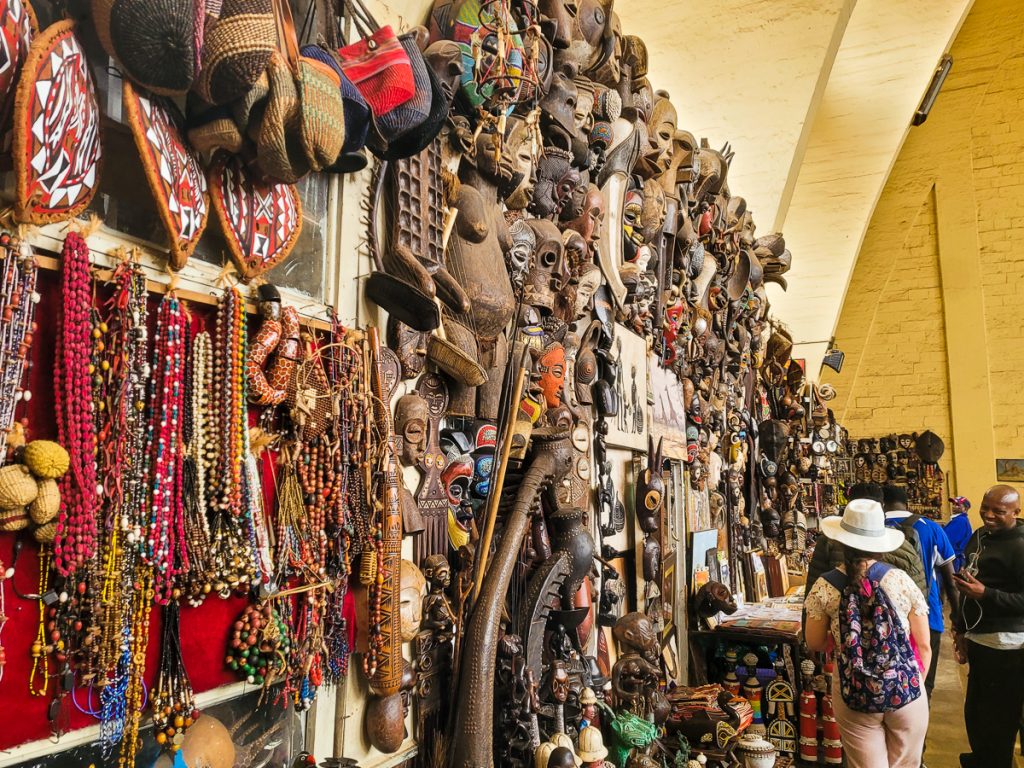
Supporting Local Communities by Buying Authentic Local Crafts
Tanzania Cultural Safaris create powerful travel experiences that connect visitors with living traditions across East Africa. Many travelers seek wildlife adventures in Tanzania. However, cultural tourism now attracts global explorers who value meaningful community interactions. Tanzania Cultural Safaris reveal authentic traditions, indigenous craftsmanship, vibrant music, and daily life within local communities.
Visitors often search for authentic souvenirs that reflect real cultural heritage. Local crafts offer a deeper connection to Tanzania’s artistic identity. These handmade products carry stories, skills, and traditions passed through generations. Tanzania Cultural Safaris allow travelers to meet artisans and understand the creative process behind each craft.
Buying crafts directly from local artisans strengthens community economies. This simple action provides income for families and supports cultural preservation. Artisans continue producing traditional crafts because tourism creates sustainable demand. Tanzania Cultural Safaris therefore contribute to both economic development and heritage protection.
Travelers exploring Tanzania Cultural Safaris also discover diverse cultural groups across the country. Communities maintain unique artistic styles and craftsmanship traditions. Beadwork, woven baskets, carved sculptures, and handmade iron tools represent centuries of cultural knowledge.
Responsible cultural tourism requires awareness and respect. Visitors should approach every cultural interaction with appreciation and curiosity. Purchasing authentic crafts remains one of the most meaningful ways to support local communities during Tanzania Cultural Safaris.
Why Choose Kitagata Safaris Uganda for Tanzania Cultural Safaris?
Kitagata Safaris Uganda organizes immersive Tanzania Cultural Safaris that connect travelers with authentic cultural experiences. The company collaborates with trusted community partners across Tanzania. These partnerships ensure ethical tourism practices and direct economic benefits for local people.
Travelers receive expert guidance on cultural etiquette, community engagement, and responsible purchasing practices. This preparation helps visitors interact respectfully with artisans and local markets. Tanzania Cultural Safaris become more rewarding when travelers understand the cultural value of handmade crafts.
This guide explores how visitors can purchase local crafts during Tanzania Cultural Safaris. It also highlights cultural destinations, craft experiences, accommodations, and travel planning insights. The goal involves strengthening cultural appreciation while supporting communities that protect Tanzania’s cultural heritage.
Can I Buy Local Crafts During Tanzania Cultural Safaris?
Tanzania Cultural Safaris introduce visitors to talented craft makers across many regions. Artisans create beadwork, pottery, woven baskets, wooden sculptures, and traditional iron tools. These crafts reflect centuries of cultural knowledge and artistic creativity.
Visitors frequently encounter vibrant craft markets and village workshops during Tanzania Cultural Safaris. These locations provide opportunities to observe artisans while they work. Travelers witness the detailed craftsmanship that transforms natural materials into beautiful art pieces.
Buying crafts directly from artisans ensures fair economic benefits for local communities. Tourism income allows artisans to continue traditional craftsmanship while supporting their families. Tanzania Cultural Safaris therefore help preserve cultural heritage through responsible tourism practices.
Craft purchasing also strengthens cultural exchange between visitors and artisans. Travelers gain insights into the symbolic meaning behind different designs and patterns. Many crafts represent social status, spiritual beliefs, or community traditions.
Visitors should approach craft purchasing with respect and patience. Friendly conversations with artisans create memorable cultural interactions. Tanzania Cultural Safaris become more meaningful when travelers connect with the people behind each handmade product.
What Cultural Crafts Can Travelers Discover During Tanzania Cultural Safaris?
Travelers exploring Tanzania Cultural Safaris encounter a wide range of unique handicrafts. Each region showcases different artistic traditions shaped by local culture and available materials.
Beadwork stands among the most recognizable cultural crafts in Tanzania. Maasai people artisans create colorful necklaces, bracelets, belts, and decorative ornaments. These bead designs carry symbolic meanings related to age, social status, and community identity.
Iron tools represent another important craft tradition during Tanzania Cultural Safaris. Datoga people blacksmiths produce knives, arrowheads, farming tools, and decorative items. These tools reveal centuries-old metalworking skills that remain essential within rural communities.
Wood carving also appears widely across Tanzanian craft markets. Skilled artisans carve animals, masks, sculptures, and household items from local hardwoods. These carvings often depict wildlife or spiritual symbolism.
Basket weaving reflects strong agricultural traditions across Tanzania. Women in rural villages weave baskets using natural fibers such as palm leaves and grasses. These baskets serve practical purposes for food storage and transport.
Textile crafts also enrich Tanzania Cultural Safaris. Handwoven fabrics and colorful garments represent regional clothing traditions. Many visitors purchase traditional wraps, scarves, and fabrics as cultural souvenirs.
These craft traditions represent more than decorative items. Each piece reflects cultural identity, creativity, and community heritage. Tanzania Cultural Safaris offer rare opportunities to experience these traditions directly from skilled artisans.
What Can I Expect in a Tanzania Cultural Safaris Experience?
Visitors participate in village walks, local markets, traditional ceremonies, and artisan workshops. Each activity reveals different aspects of Tanzanian culture and daily life.
Cultural guides explain traditions, customs, and historical backgrounds throughout the journey. These insights help travelers understand the deeper meaning behind cultural practices.
Traditional music and dance performances often highlight cultural celebrations. Guests observe rhythmic drumming, singing, and energetic dance routines. These performances express spiritual beliefs and community unity.
Food experiences also form a key element of Tanzania Cultural Safaris. Visitors taste local dishes prepared using traditional cooking methods. Popular foods include grilled meats, maize dishes, vegetable stews, and tropical fruits.
Artisan workshops remain particularly popular among travelers. Guests watch skilled craftspeople create bead jewelry, pottery, and woven products. Many visitors purchase these items directly from the artisans.
Markets also offer lively cultural environments during Tanzania Cultural Safaris. Colorful stalls display spices, textiles, fruits, vegetables, and handcrafted souvenirs.
These experiences create strong cultural connections. Travelers return home with a deeper understanding of Tanzanian traditions and community life.
What Are the Best Places in Tanzania for Tanzania Cultural Safaris?
Mto wa Mbu stands as one of Tanzania’s most diverse cultural tourism destinations. More than 120 ethnic groups live within this small town. Visitors explore banana plantations, craft markets, and traditional homes.
Lake Eyasi offers immersive experiences with hunter-gatherer communities such as the Hadzabe people. Travelers observe traditional hunting techniques and survival skills.
Mount Kilimanjaro introduces visitors to the traditions of the Chagga people. Cultural tours include coffee farms, waterfalls, and historical caves.
Zanzibar showcases Swahili culture shaped by African, Arab, and Indian influences. Visitors explore historic architecture, spice farms, and artisan markets.
Ngorongoro Conservation Area combines wildlife experiences with Maasai cultural visits.
These destinations offer unique cultural perspectives that enrich Tanzania Cultural Safaris.
Cultural Experiences Around Safari Lodges During Tanzania Cultural Safaris
Safari lodges often serve as gateways to nearby cultural experiences. Travelers frequently ask what cultural activities surround their lodges during Tanzania Cultural Safaris.
Village visits provide authentic insight into rural life. Guests meet farmers, artisans, and community leaders while learning about daily routines.
Traditional cooking classes allow travelers to prepare local meals alongside village hosts. These sessions highlight regional ingredients and culinary traditions.
Cultural dance performances frequently occur near safari lodges. Local groups perform storytelling dances that celebrate community history and spiritual beliefs.
Craft workshops allow travelers to learn beadwork, basket weaving, and carving techniques. These interactive sessions create memorable cultural connections.
Agricultural tours also enrich Tanzania Cultural Safaris. Visitors explore coffee farms, spice gardens, and banana plantations while learning traditional farming methods.
Evening storytelling sessions around lodge campfires share folklore and local history. Elders and guides explain legends passed through generations.
These experiences transform safari lodges into vibrant cultural learning environments during Tanzania Cultural Safaris.
How Much Are the Permits and Cultural Fees During Tanzania Cultural Safaris?
Cultural tourism typically involves community entrance contributions rather than official permits. These fees support village development projects.
Village visits usually cost between 20 and 50 USD per visitor. Specialized cultural experiences may cost between 50 and 120 USD depending on the activity.
These contributions support schools, health centers, and local infrastructure projects. Communities benefit directly from responsible tourism.
Kitagata Safaris Uganda ensures transparent payment systems during Tanzania Cultural Safaris. The company collaborates with community tourism programs to guarantee fair compensation for local guides and artisans.
These contributions strengthen sustainable tourism while preserving cultural traditions.
What Can I Pack for Tanzania Cultural Safaris?
Modest clothing works best for village visits and cultural sites. Lightweight long trousers and shoulder-covering shirts remain ideal.
Comfortable walking shoes support village walks, market visits, and farm tours.
Travelers should pack hats, sunglasses, and sunscreen for sun protection.
A reusable water bottle encourages environmentally responsible travel.
Cameras help document cultural experiences. Visitors should always request permission before photographing individuals.
Travel journals also enhance Tanzania Cultural Safaris. Writing reflections helps travelers preserve cultural memories.
Thoughtful packing improves both comfort and cultural awareness throughout Tanzania Cultural Safaris.
Can I Combine Uganda Cultural Safaris with Tanzania Cultural Safaris?
Combining both destinations creates a richer East African cultural journey. Uganda and Tanzania share deep cultural diversity shaped by multiple ethnic traditions.
Visitors exploring Uganda Cultural Safaris experience kingdoms, music traditions, and indigenous communities.
Travelers may begin with gorilla trekking in Bwindi Impenetrable National Park before continuing to Tanzania’s cultural destinations.
Kitagata Safaris Uganda specializes in creating multi-country cultural itineraries across East Africa.
These journeys combine wildlife adventures with deep cultural discovery.
The Accommodations During Tanzania Cultural Safaris
Lodges That Support Cultural Tourism
Accommodations play an important role in shaping Tanzania Cultural Safaris experiences. Many safari lodges collaborate with nearby communities.
Eco-lodges employ local staff and support village development projects.
Guests enjoy storytelling evenings, craft markets, and cultural performances organized by nearby communities.
Travelers may stay near destinations such as Ngorongoro Crater or Karatu.
Accommodation options range from luxury lodges to eco-friendly camps.
Each property offers unique cultural experiences that enrich Tanzania Cultural Safaris.
What Does Kitagata Safaris Uganda Offer You on Tanzania Cultural Safaris?
Kitagata Safaris Uganda designs personalized itineraries based on traveler interests and cultural curiosity.
Expert guides provide cultural interpretation during every community visit.
The company partners with ethical lodges and trusted community programs.
These partnerships ensure responsible tourism and authentic cultural experiences.
Travelers benefit from deep regional knowledge and professional safari planning.
Why Choose Kitagata Safaris Uganda for Your Tanzania Cultural Safaris?
Kitagata Safaris Uganda combines experience, professionalism, and cultural respect in every itinerary.
The company prioritizes sustainable tourism that benefits local communities.
Guests enjoy carefully designed journeys that highlight authentic traditions and cultural heritage.
Travelers receive expert guidance before every cultural interaction.
These thoughtful preparations ensure meaningful and respectful Tanzania Cultural Safaris experiences.
Conclusion: Tanzania Cultural Safaris That Support Culture and Communities
Tanzania Cultural Safaris offer far more than sightseeing. These journeys connect travelers with people, traditions, and creative heritage.
Buying local crafts during Tanzania Cultural Safaris supports artisans and preserves traditional skills. Visitors return home with meaningful souvenirs and deeper cultural understanding.
Kitagata Safaris Uganda invites travelers to experience authentic cultural journeys across Tanzania.
Tanzania Cultural Safaris create lasting memories while supporting communities that protect Africa’s cultural heritage.
These experiences inspire respect, curiosity, and appreciation for the diverse cultures that shape Tanzania.
