How Hard is the Gorilla Trek in Rwanda?
April 27, 2026
How Much Does it Cost to Trek the Golden Monkey in Rwanda?
April 28, 2026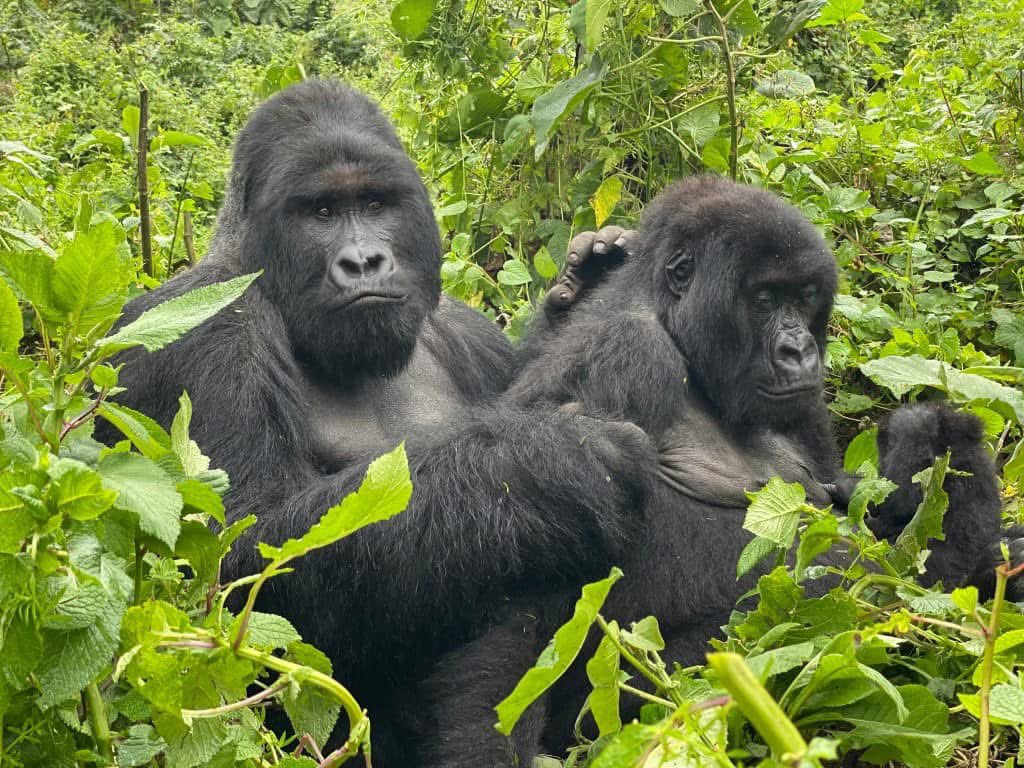
What is the Minimum Age for Gorilla Trekking?
What is the minimum age for gorilla trekking? At Kitagata Safaris Uganda, we believe in providing clear and professional guidance for every traveler. Uganda, Rwanda, and the Democratic Republic of Congo maintain a very strict age policy. This age limit ensures the safety of the children and the health of the primates. Witnessing these gentle giants is a profound experience that requires a certain level of maturity. Our team helps you navigate these regulations to plan a successful family holiday. We focus on creating a journey that respects the wildlife while fulfilling your travel dreams. Discover the reasons behind these rules and how they impact your upcoming African safari. Let us explore the age requirements for standing in the presence of mountain gorillas.
Overview of Your Family-Friendly Gorilla Trekking Journey?
Understanding the Legal Age Limits
Currently, the official age limit across all major gorilla destinations is fifteen years old. Authorities like the Uganda Wildlife Authority enforce this rule without any exceptions. They check passports at the park headquarters before any trek begins each morning. This policy remains consistent whether you visit Bwindi, Mgahinga, or the Volcanoes National Park. If your child is younger than fifteen, they cannot participate in the actual forest trek. However, many parks offer alternative activities for younger children nearby. Knowing this limit helps you decide when to book your family trip. We recommend waiting until everyone in your party meets the age requirement.
Navigating Age Logistics for Your Safari
When you have teenagers in your group? If a child is close to their fifteenth birthday, some authorities may consider a special request. However, this often requires written permission and specific legal documentation from the national wildlife body. As an expert team, Kitagata Safaris Uganda assists you with these complex inquiries. We ensure you have all the necessary permits before you arrive at the park. Most families find that waiting until the child is older enhances the experience. Older children can handle the physical demands of the steep terrain much better. They also appreciate the scientific and emotional significance of the encounter more deeply.
Unique Features of an Age-Appropriate Gorilla Safari?
Ensuring Mature Behavior in the Wild
Young children may struggle to remain silent and still during the one-hour encounter. Sudden movements or loud noises can startle the gorillas and trigger a defensive charge. Mountain gorillas are generally peaceful, but they remain powerful wild animals that require respect. A fifteen-year-old generally possesses the self-control needed to follow all ranger instructions perfectly. They can maintain the required ten-meter distance without constant supervision from the guides. This maturity protects both the human visitors and the gorilla families from unnecessary stress. You want your encounter to be calm, peaceful, and respectful of nature’s boundaries.
Embracing the Physicality of the Forest
The hike involves traversing thick undergrowth, slippery mud, and very steep volcanic slopes. These conditions can be physically exhausting for young children with shorter legs and less stamina. A teenager is better equipped to handle a six-hour hike through the dense jungle. They can also carry their own water and essential gear during the trek. Using a professional porter can help, but the trek still requires significant physical effort. Waiting until a child is fifteen ensures they have the strength to enjoy the journey. This approach prevents the trek from becoming a source of frustration or extreme fatigue.It guarantees that every participant is physically ready for the mountain.
Wildlife in the Shared Habitats of Primates and People?
Protecting Primates from Human Illness
The biological connection between humans and gorillas is the main reason for strict age rules. Humans and gorillas share about 98% of the same DNA, making them highly susceptible to our germs. Children are frequent carriers of common colds, flu, and other childhood respiratory infections. These minor human illnesses can be fatal to an entire gorilla family in the wild. The fifteen-year age limit acts as a biological shield for the endangered mountain gorillas. Park rangers monitor all visitors for any signs of coughs or contagious symptoms. This protection is a core part of the conservation strategy in the Albertine Rift. We must prioritize the health of the gorillas above our personal travel desires.
Witnessing the Diversity of the Ecosystem
Many other park activities, such as forest walks, do not have the same strict age limits. Younger children can still see colobus monkeys and diverse bird species near the lodge. They can spot colorful butterflies and unique plants that thrive in the rainforest. Bwindi and Mgahinga are havens for biodiversity that people of all ages can enjoy. This allows the whole family to experience the beauty of Uganda together. You can teach your children about conservation from the safety of the park boundaries. The entire ecosystem is vibrant and offers lessons in nature for everyone.
Activities in the Community for Younger Travelers?
Cultural Immersion at the Batwa Community
Exploring local culture is a fantastic way to engage children who are below the trekking age. The Batwa Trail and cultural experiences are open to children of almost all ages. They can learn how the forest people lived for thousands of years as hunter-gatherers. Children can watch traditional dances and learn how to make fire with sticks. These interactive sessions are educational and very fun for younger family members. It provides a meaningful connection to Africa without the physical strain of a gorilla trek. This ensures that no one in your family feels left out of the adventure. Kitagata Safaris Uganda organizes these tours to support local indigenous communities directly. It encourages families to find other rewarding local experiences.
Village Walks and Educational Projects
There are many kid-friendly activities to fill your days while the adults are in the forest. We can arrange visits to community schools where your children can meet local peers. They can exchange stories, play games, and learn about different ways of life. Many lodges also offer nature walks specifically designed for younger kids near the property. These walks focus on identifying insects, flowers, and small reptiles with a guide. Supporting local artisans by visiting craft markets is another great afternoon activity for families. You can see how the community benefits from the tourism revenue you bring. This creates a well-rounded and impactful holiday for every member of your group.
Conservation and Challenges Facing the Great Apes?
The Science of Primate Conservation
Conservation is the guiding principle behind every rule you encounter on a safari. The survival of mountain gorillas is one of the greatest success stories in nature. However, their populations remain fragile and limited to two small geographical islands. Every regulation, including the age limit, is based on scientific research and expert advice. Authorities must balance the need for tourism revenue with the biological safety of the animals. If we allow younger children, the risk of disease transmission would increase significantly. By following the age limit, you are actively supporting the long-term health of the species. You are proving that responsible tourism can exist without compromising animal welfare. It is a scientific necessity for a sustainable future.
Overcoming Human-Wildlife Conflict
Despite the successes, challenges like habitat loss and poaching still threaten these animals today. A portion of every permit fee goes directly to the people living near the park. This funding builds schools and clinics that help children in the local community. When local families see the benefits of tourism, they are more likely to protect the forest. Responsible travelers understand that their presence is a powerful tool for positive change. We must educate the next generation about the importance of these ecological boundaries. Waiting until your child is fifteen teaches them about the value of rules in conservation. It makes their eventual trek feel like a true rite of passage into adulthood. It is an lesson in patience and environmental ethics.
Getting to the Gorilla Sectors with Your Family?
The Road Trip Journey Across Uganda
Transport is a major part of the adventure when traveling with a family to the forest. Driving through the countryside offers a chance to see the real Africa beyond the park gates. You will pass through vibrant towns and see beautiful terraced hillsides during the journey. Our private safari vehicles are equipped with safety features and comfortable seating for all. We plan plenty of stops for snacks, photos, and leg-stretching along the way. The drive from Entebbe or Kampala to Bwindi takes about nine to ten hours. This allows your family to see the diverse landscapes of the Pearl of Africa. The road trip is a great time for family bonding and shared excitement. The journey to the park is open to everyone.
Safety and Logistics for Family Transfers
Ensuring the safety of your loved ones is our top priority at Kitagata Safaris Uganda. We recommend using high-quality 4×4 vehicles for all family transfers to the southwest. These cars handle the bumpy mountain roads with ease and provide a smoother ride. If you prefer to save time, domestic flights are available to airfields near the parks. However, driving allows you to stop at the Equator for a fun family photo. We handle all the logistics so you can focus on making memories with your kids. Our drivers are experts in local conditions and provide a wealth of information. You will feel safe and well-cared for from the moment you land. Getting there is the start of a lifelong story.
Accommodation in the Vicinity of the Parks for Families?
Selecting Family-Friendly Lodges
Where you stay affects how much your children enjoy the overall safari experience. Many lodges, such as those near Buhoma or Ruhija, offer family cottages and inter-connecting rooms. These properties often have large gardens where children can play safely under supervision. Some lodges even provide “mini-ranger” programs to keep younger kids entertained during the day. They can learn about tracking animals or identifying different types of trees. Staying at a lodge with a pool or a fireplace adds to the comfort. You get to enjoy the sounds of the forest while relaxing with your family. Choosing the right lodge ensures that everyone has a wonderful time, regardless of their age. The lodges welcome guests of all ages with open arms.
Dining and Amenities for All Ages
Food and comfort are essential when traveling with children in remote African areas. Most lodges provide a mix of international and local Ugandan cuisine to suit every palate. Chefs are usually happy to prepare kid-friendly meals like pasta or fresh fruit platters. You will find that the hospitality in Uganda is incredibly warm toward families. Staff members often go out of their way to make children feel special and welcome. High-quality lodges offer laundry services, which is very helpful for families on the go. You can enjoy a sundowner while your children learn a local board game with the staff. This creates a communal and friendly atmosphere for your entire stay. The hospitality industry caters to the whole family.
Best Time to Visit for a Family Safari Trip?
Choosing the Dry Season for Easier Travel
Timing your trip can make the physical aspects of the journey much easier for kids. From June to August and December to February, the weather is more predictable and pleasant. The trails are less muddy, making the hikes easier for everyone in the group. This is the best time for photography and enjoying outdoor activities comfortably. You will have clearer views of the mountains and the surrounding crater lakes. However, these months are also the busiest, so you must book your permits early. A dry season trip ensures that the forest is as accessible as possible. It is the ideal time for a major family celebration or a milestone holiday. Good weather makes the fifteen-year-old’s trek much smoother.
Capitalizing on the Low Season Value
Traveling during the wet season offers unique benefits for families on a budget. During the months of April, May, and November, many lodges offer lower rates for families. The landscape is incredibly green and lush, providing a beautiful backdrop for your trip. While it rains more, the showers are usually short and followed by sunshine. You will encounter fewer other tourists, giving your family a more private experience. The gorillas often stay at lower altitudes during this time to find fresh bamboo shoots. This can result in shorter trekking times for your teenage children. If you don’t mind a little rain, the low season is very rewarding. Value and solitude are found in the rainy months.
Conclusion: Planning Your Ultimate Family Legacy Trip?
In conclusion, understanding the rules is the first step toward a successful African safari. What is the minimum age for gorilla trekking? It remains strictly fifteen years old to ensure safety and conservation. By choosing Kitagata Safaris Uganda, you gain a partner that values your family’s experience. We help you plan a trip that engages every member of your group, regardless of age. We ensure you follow all regulations while maximizing the fun and education of the journey. Uganda is a land of wonders waiting to be discovered by your children. Start planning your future trek and create a legacy of adventure today. You will find that the wait makes the eventual encounter even more powerful. Your family’s journey into the heart of Africa begins with a single question. Let us help you answer it with a perfect itinerary.