Can I Do a Budget Safari in Uganda?
March 31, 2026
What’re the Top Uganda Safari Experiences?
April 1, 2026
How Do I Get Around Uganda for a Safari?
Planning an African journey often begins with one important question: How do I get around Uganda for a safari? This question shapes your entire experience with Kitagata Safaris Uganda, especially when exploring diverse landscapes and wildlife destinations. Uganda offers a rare combination of lush rainforests, expansive savannahs, and vibrant cultural heritage, making transportation planning a critical part of your adventure.
Uganda safari travel demands thoughtful preparation because distances between parks vary and road conditions differ across regions. Therefore, choosing the right travel methods enhances comfort, safety, and overall satisfaction. Many travelers combine road transfers, domestic flights, and guided tours for flexibility and efficiency. Moreover, working with experienced safari planners ensures smooth logistics and personalized experiences.
Overview of Uganda Safari with Other Destinations: How Do I Get Around Uganda for a Safari Across Regions?
Requires a clear overview of the country’s geography and its connection to neighboring destinations. Uganda sits at the heart of East Africa and connects easily with Kenya, Rwanda, and Tanzania. Therefore, travelers often combine Uganda safaris with gorilla trekking in Rwanda or wildlife viewing in Kenya.
Uganda’s safari circuits include the western route, the northern parks, and eastern highlands. The western circuit remains the most popular because it hosts iconic destinations like Bwindi Impenetrable Forest and Queen Elizabeth National Park. Travelers usually access these areas by road from Entebbe or Kampala, with journeys ranging from five to ten hours. However, domestic flights offer faster access to remote parks.
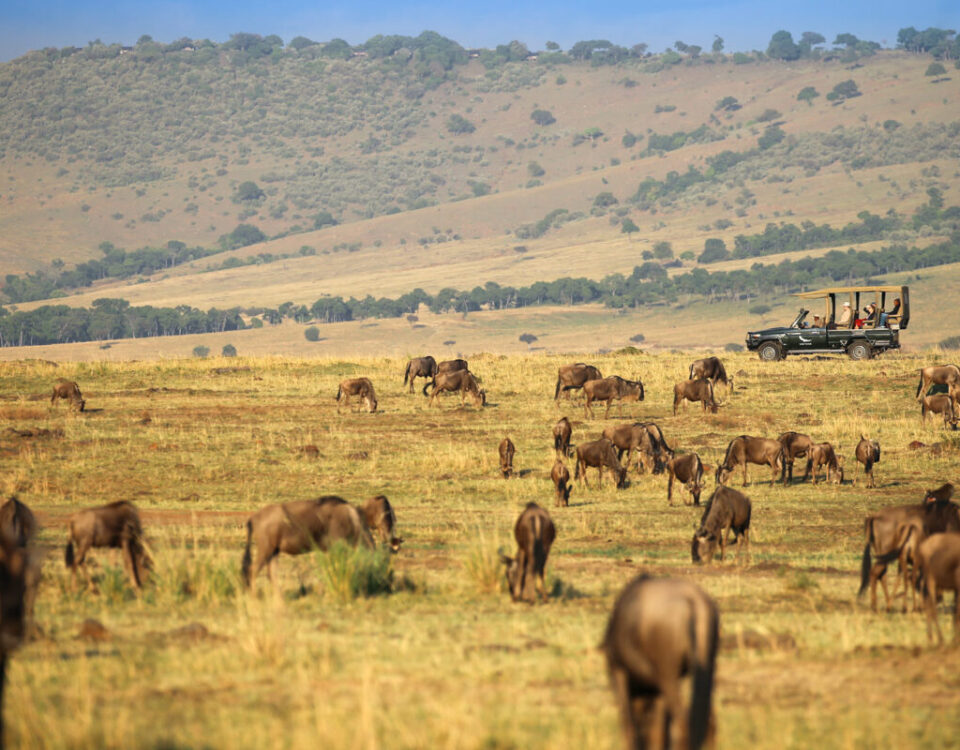
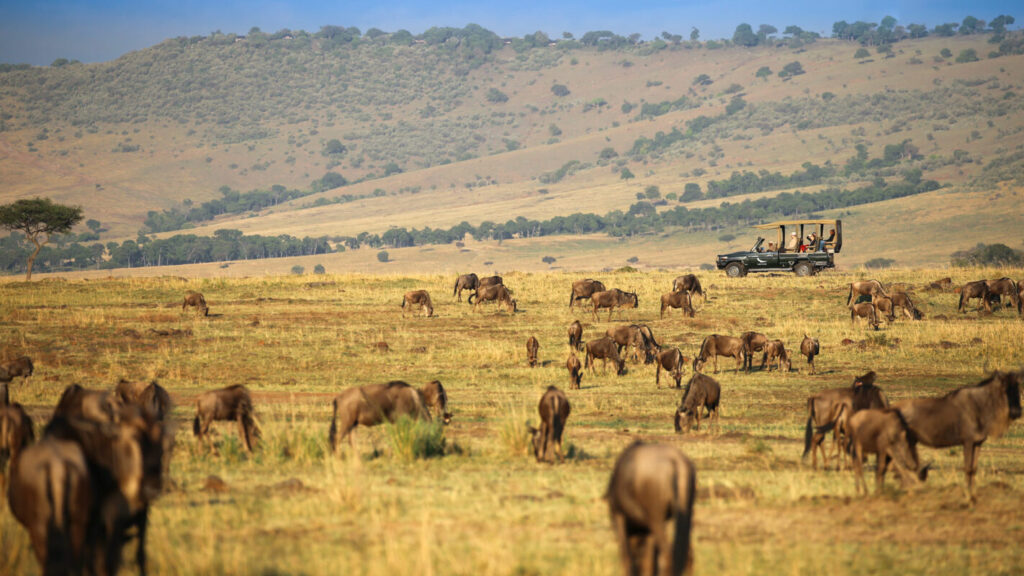
Additionally, cross-border safaris create a richer experience. For example, visitors often combine Uganda’s gorilla trekking with Kenya’s Maasai Mara or Tanzania’s Serengeti. These multi-country itineraries require coordinated transport planning, including flights and border transfers.
Unique Features of Uganda Safari with Other Destinations: Why Does Transportation Matter So Much?
Uganda stands out as the “Pearl of Africa” due to its biodiversity, scenic beauty, and intimate wildlife encounters. However, its terrain varies greatly, which directly influences transportation choices.
Unlike flat savannah landscapes in other countries, Uganda includes mountainous regions, dense forests, and crater lakes. These features create breathtaking views but require reliable vehicles and skilled drivers. Therefore, 4×4 safari vehicles remain the best option for road travel. These vehicles handle rough terrain and provide excellent wildlife viewing opportunities.
Furthermore, Uganda offers close-range wildlife experiences, including gorilla trekking and chimpanzee tracking. These activities require precise timing and coordination, which makes organized transport essential. Domestic flights also play a key role in reducing travel time between distant parks.
Comparatively, combining Uganda with Kenya or Tanzania introduces different travel styles. While those countries rely heavily on open plains and air transfers, Uganda blends road adventure with selective flights.
Wildlife in Uganda Safari with Other Destinations
Uganda hosts diverse species, including mountain gorillas, lions, elephants, and rare birds. Each ecosystem requires different travel approaches.
For instance, reaching gorilla trekking areas in Bwindi requires early departures and careful navigation through mountainous terrain. Reliable vehicles ensure timely arrival for trekking permits and guided experiences. Similarly, game drives in savannah parks demand comfortable safari vehicles with pop-up roofs for clear viewing.
Moreover, combining Uganda with neighboring destinations expands wildlife diversity. Travelers can witness the Big Five in Kenya or Tanzania while enjoying primate encounters in Uganda. This combination requires coordinated transport schedules, including flights and cross-border transfers.
Efficient movement between parks allows travelers to maximize wildlife sightings without unnecessary fatigue. Professional guides also enhance the journey by sharing insights about ecosystems and animal behavior.
Activities in Uganda Safari with Other Destinations
Uganda offers diverse experiences, including gorilla trekking, game drives, boat cruises, and cultural tours. Each activity requires specific travel arrangements to ensure smooth execution.
For example, gorilla trekking demands early morning transfers to park headquarters, often located in remote areas. Comfortable and reliable transport ensures travelers arrive on time and prepared for the hike. Similarly, boat safaris on the Nile or Kazinga Channel require precise scheduling and easy access to departure points.
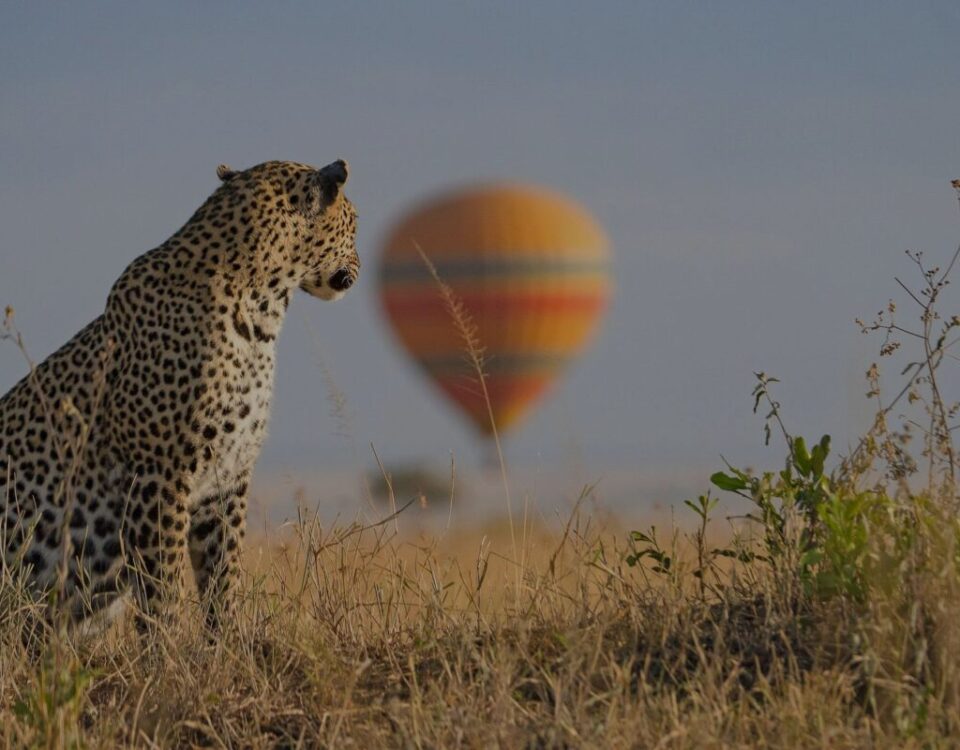
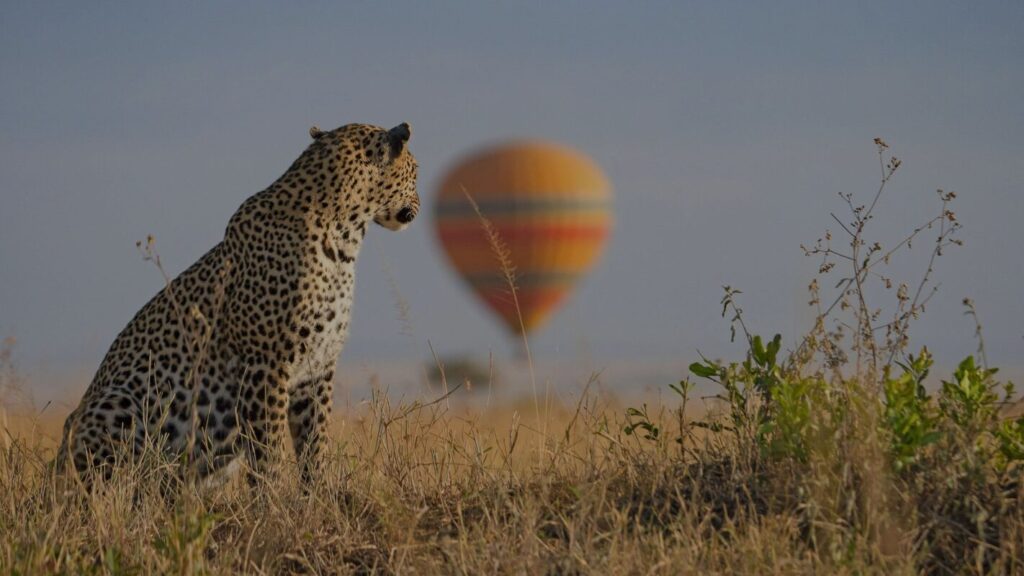
Adventure seekers often combine Uganda with other destinations for activities such as hot air balloon safaris in Tanzania or Maasai cultural visits in Kenya. These experiences involve coordinated flights and transfers across countries.
Additionally, cultural experiences around safari lodges enrich the journey. Visitors can engage with local communities, learn traditional dances, and explore village life. These activities often require short guided drives or walks arranged by safari operators.
Conservation and Challenges
While discussing How do I get around Uganda for a safari?, it is important to consider conservation and environmental impact. Uganda prioritizes wildlife protection and sustainable tourism, which influences transportation practices across safari regions.
Safari operators often use well-maintained vehicles to reduce emissions and minimize environmental damage. Additionally, regulated routes within national parks help protect fragile ecosystems and prevent habitat destruction. Travelers benefit from guided tours that follow conservation guidelines while ensuring safe wildlife viewing.
However, challenges still exist. Road infrastructure in remote areas requires improvement, and seasonal weather conditions can affect accessibility. Heavy rains sometimes make certain routes difficult to navigate, which highlights the importance of experienced drivers and proper planning.
Moreover, increased tourism demands careful management to balance economic growth with environmental protection. Responsible travel choices, such as selecting eco-friendly lodges and supporting conservation initiatives, contribute positively to sustainability.
Getting to Uganda Safari with Other Destinations
Most international travelers arrive through Entebbe International Airport, which serves as Uganda’s main gateway. From there, various transport options connect visitors to safari regions.
Road travel remains the most common method, offering scenic views and flexibility. Professional safari vehicles provide comfort and safety while allowing travelers to explore multiple destinations at their own pace. However, domestic flights offer faster access to remote parks, significantly reducing travel time.
For those combining Uganda with other destinations, regional flights connect easily to Rwanda, Kenya, and Tanzania. These connections allow seamless multi-country itineraries without long road journeys.
Additionally, border crossings require proper documentation and coordination, which experienced tour operators manage efficiently. This ensures smooth transitions between countries and minimizes delays.
Accommodation in Uganda Safari with Other Destinations
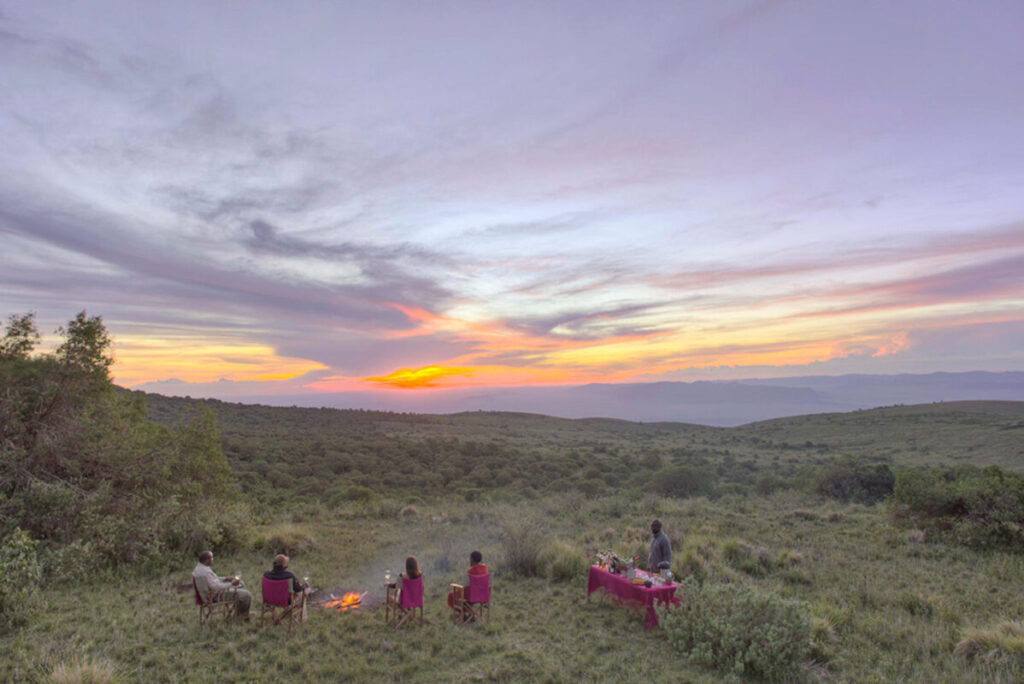
Uganda offers a wide range of options, including luxury lodges, mid-range camps, and budget accommodations. Most lodges sit near national parks, which allows easy access to activities.
Choosing accommodation close to key attractions reduces travel time and enhances convenience. For example, staying near gorilla trekking areas minimizes early morning transfers. Similarly, lodges near game parks allow quick access to wildlife viewing areas.
Many safari lodges also provide cultural experiences that enrich the journey. Visitors can participate in traditional storytelling, local cuisine preparation, and community visits. These activities create meaningful connections with local cultures while supporting community development.
When combining Uganda with other destinations, accommodation choices influence travel logistics across borders. Coordinated bookings ensure smooth transitions and consistent comfort throughout the safari. Selecting strategically located lodges through Kitagata Safaris Uganda ensures efficient travel and a more immersive experience.
Best Time to Visit Uganda Safari with Other Destinations
Uganda experiences two main dry seasons and two wet seasons, each offering unique advantages for safari experiences.
The dry seasons, from June to September and December to February, provide the best conditions for road travel and wildlife viewing. Roads remain accessible, and animals gather around water sources, making sightings easier. These periods also attract the highest number of visitors, so early booking becomes essential.
On the other hand, wet seasons bring lush landscapes and fewer crowds. However, some roads become challenging to navigate, which requires experienced drivers and appropriate vehicles. Travelers who prefer quieter experiences often choose these months despite occasional travel difficulties.
When combining Uganda with other destinations, seasonal differences across countries must also be considered. Coordinated planning ensures optimal experiences in each location.
Conclusion: Why Is “How Do I Get Around Uganda for a Safari?” the Key to an Exceptional Experience?
Every successful African journey begins with a clear understanding of How do I get around Uganda for a safari? This question influences every aspect of travel, from destination selection to wildlife encounters and cultural experiences. Uganda offers unmatched diversity, but its varied terrain requires careful planning and reliable transport solutions.
By combining road transfers, domestic flights, and expert guidance, travelers can navigate the country efficiently and comfortably. Additionally, integrating Uganda with neighboring destinations creates a richer and more diverse safari experience.
Kitagata Safaris Uganda provides the expertise needed to design seamless itineraries that prioritize comfort, safety, and unforgettable moments. With professional planning, visitors enjoy smooth travel while exploring the best of East Africa.
Ultimately, How do I get around Uganda for a safari? represents more than a logistical concern. It forms the foundation of a well-organized adventure that delivers lasting memories and meaningful connections with nature and culture.