Which Tribes Can I Visit on Kenya Cultural Safaris?
March 5, 2026
What Happens During a Village Visit?
March 5, 2026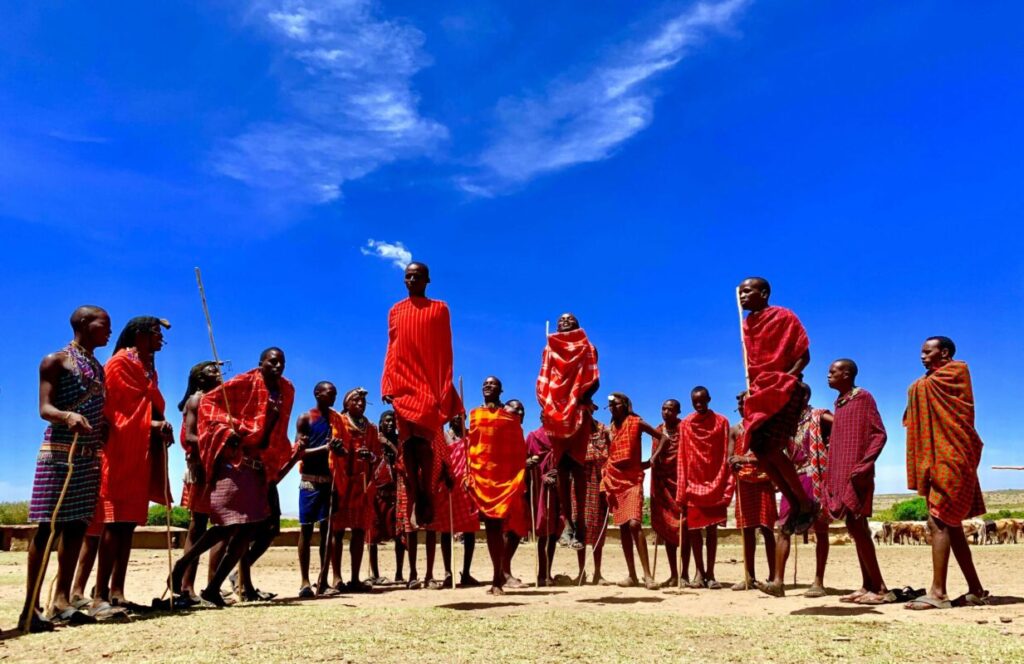
What is the etiquette for visiting villages?
Kenya Cultural Safaris offer far more than wildlife encounters and scenic landscapes. These journeys reveal the living traditions, community values, and everyday life of diverse Kenyan societies. Travelers gain meaningful insight through respectful interaction with local communities. Therefore, understanding village etiquette plays a vital role in creating a rewarding cultural travel experience.
Kenya remains one of Africa’s richest cultural destinations. The country hosts more than forty ethnic communities with unique traditions, languages, music, and social customs. Cultural safaris connect visitors to authentic African heritage while supporting community livelihoods and cultural preservation.
Visitors exploring Kenya Cultural Safaris often visit traditional settlements near wildlife destinations such as Maasai Mara National Reserve and Samburu National Reserve. These visits create opportunities to learn about pastoral lifestyles, cultural ceremonies, traditional crafts, and community conservation.
However, responsible travel requires awareness and respect. Simple actions such as asking permission before photographs and dressing modestly strengthen trust and cultural understanding. These practices also protect community dignity and encourage meaningful cultural exchange.
Many travelers planning Kenya Cultural Safaris often ask several important questions. What should visitors know about village etiquette? What can travelers expect during a cultural visit? Which communities welcome cultural travelers? How much are permits for cultural activities? What accommodations support these experiences?
In addition, many guests wonder whether they can combine Uganda Cultural Safaris with Kenya Cultural Safaris for a wider East African cultural adventure. Fortunately, well-planned itineraries allow seamless cross-border exploration.
Kitagata Safaris Uganda designs immersive cultural journeys that respect traditions while offering travelers authentic and educational experiences. Our safaris highlight cultural diversity, responsible tourism practices, and strong community partnerships.
This detailed guide explores village etiquette, cultural experiences, destinations, accommodations, and travel planning tips for unforgettable Kenya Cultural Safaris.
Kenya Cultural Safaris: Why Village Etiquette Matters During Cultural Encounters
Respecting Traditions During Kenya Cultural Safaris
Village visits remain a central highlight of Kenya Cultural Safaris. These experiences allow travelers to step inside vibrant cultural landscapes shaped by centuries of tradition and community identity.
However, cultural visits require sensitivity and awareness. Communities welcome respectful travelers who show genuine interest in their culture and daily life.
One important guideline involves photography. Visitors must always ask permission before photographing people, homes, or ceremonies. This respectful approach builds trust and prevents misunderstandings.
Many communities view photography as a personal matter. Some people may prefer privacy or request a small contribution for photographs. Therefore, respectful dialogue creates a positive interaction.
Another important cultural practice involves appropriate clothing. Modest dressing demonstrates respect for local values, particularly in rural communities. Travelers should cover shoulders and knees when visiting villages.
This practice becomes even more important in Muslim regions along Kenya’s coast and northern areas. Dressing respectfully allows visitors to blend comfortably within local communities.
Visitors exploring Kenya Cultural Safaris should also follow their guide’s advice when interacting with elders, families, and community leaders. Greeting people politely and showing patience reflects cultural respect.
Cultural Exchange During Kenya Cultural Safaris
Village visits create opportunities for meaningful cultural exchange. Travelers can learn traditional dances, observe craft making, and taste local cuisine.
Communities often share stories about their history, livestock traditions, and environmental knowledge. These interactions create memorable moments for travelers seeking deeper cultural understanding.
Many guests wonder: What can I expect in a Kenya cultural safaris village visit?
Expect warm welcomes, traditional songs, cultural demonstrations, and guided tours of community homes. Visitors may also learn about traditional medicine, farming practices, and family structures.
Each cultural visit strengthens community tourism initiatives while preserving heritage for future generations.
Kenya Cultural Safaris: Which Tribes Can Travelers Visit in Kenya?
Cultural Diversity During Kenya Cultural Safaris
Kenya’s cultural landscape reflects remarkable diversity. Many communities maintain strong traditions despite modernization. Cultural safaris allow visitors to explore this diversity respectfully and authentically.
One of the most famous communities featured in Kenya Cultural Safaris is the Maasai people. The Maasai live near the iconic Maasai Mara National Reserve and maintain strong pastoral traditions centered around cattle.
Visitors entering Maasai villages experience colorful beadwork, energetic jumping dances, and traditional homestead structures known as manyattas. Cultural guides explain family life, warrior traditions, and livestock practices.
Another fascinating community includes the Samburu people living near Samburu National Reserve. Samburu culture shares similarities with Maasai heritage yet maintains unique dress styles, songs, and ceremonies.
Travelers interested in deeper cultural exploration can also visit the Turkana people living around Lake Turkana. Turkana communities survive in one of Africa’s harshest environments while preserving strong nomadic traditions.
Other remarkable groups include the Rendille people and Pokot people. Each community offers unique cultural insights through music, storytelling, crafts, and pastoral lifestyles.
Cultural Experiences Around Safari Lodges
Cultural experiences often take place near safari lodges located within or close to wildlife reserves. Many lodges collaborate directly with local communities to create ethical tourism experiences.
Visitors staying near Maasai Mara National Reserve can participate in Maasai village walks, traditional spear-throwing lessons, and bead-making workshops.
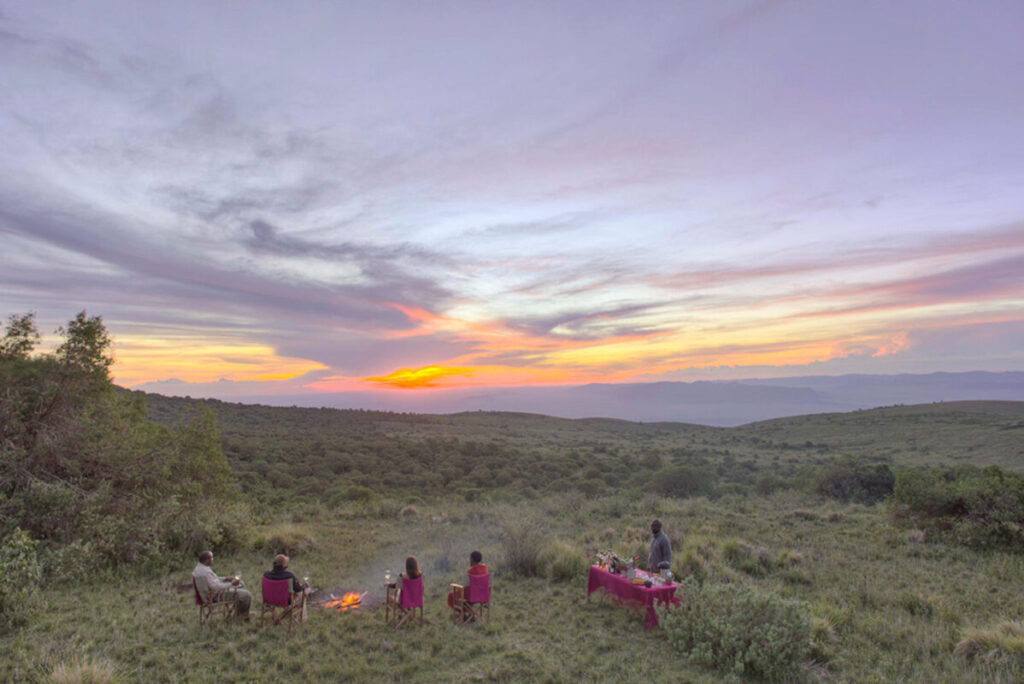
Near Samburu National Reserve, cultural tours include camel herding demonstrations, traditional cooking experiences, and storytelling sessions around evening fires.
These experiences transform Kenya Cultural Safaris into immersive journeys that celebrate living heritage.
Kenya Cultural Safaris: What Can Travelers Expect During a Cultural Safari Experience?
Authentic Community Encounters During Kenya Cultural Safaris
Travelers planning Kenya Cultural Safaris often ask an important question: What can I expect during a Kenya cultural safaris experience?
Expect immersive experiences that highlight daily life, cultural ceremonies, and community traditions. Cultural safaris involve guided visits to villages, cultural centers, and community markets.
Guests often begin cultural tours with a welcoming ceremony featuring music, singing, and traditional dance. These performances celebrate local identity and invite visitors into community life.
Guides then introduce visitors to traditional homes built using natural materials such as mud, wood, and grass. Community members explain construction methods and family living arrangements.
Visitors may also observe traditional crafts including beadwork, leather carving, weaving, and jewelry making. Many travelers enjoy purchasing handmade souvenirs directly from artisans.
Cultural Activities Around Safari Lodges
Safari lodges near cultural destinations often organize additional activities. These experiences deepen traveler understanding of Kenyan culture.
Popular activities include cooking lessons using local ingredients, traditional storytelling evenings, and guided walks with community elders.
Some cultural safaris also include participation in seasonal ceremonies or livestock herding experiences. These activities highlight the connection between communities and their natural environment.
These authentic encounters make Kenya Cultural Safaris unforgettable educational journeys for travelers seeking genuine cultural connection.
Kenya Cultural Safaris: What Are the Best Places in Kenya for Cultural Experiences?
Cultural Destinations for Kenya Cultural Safaris
Kenya offers many destinations where travelers can explore vibrant cultural heritage. Each region provides unique traditions, landscapes, and community experiences.
One of the most famous destinations remains Maasai Mara National Reserve. This iconic wildlife destination also hosts rich Maasai cultural experiences.
Visitors can explore traditional Maasai villages, participate in cultural dances, and learn pastoral traditions surrounding cattle herding.
Another excellent cultural destination includes Samburu National Reserve in northern Kenya. Samburu communities maintain colorful cultural practices that fascinate travelers.
Further north lies Lake Turkana, home to diverse pastoral groups including the Turkana and Rendille communities.
Visitors interested in coastal culture can explore Lamu Island. This historic island reflects centuries of Swahili culture, Islamic architecture, and Indian Ocean trade.
Cultural Experiences Near Safari Lodges
Safari lodges located within these destinations provide excellent access to cultural activities. Guests can combine wildlife game drives with village visits and community tours.
Travelers staying near Lamu Island can explore ancient stone houses, dhow sailing traditions, and Swahili cuisine workshops.
These destinations ensure that Kenya Cultural Safaris deliver both cultural discovery and scenic adventure.
Kenya Cultural Safaris: How Much Are Cultural Permits and Community Fees?
Understanding Cultural Safari Costs
Many travelers planning Kenya Cultural Safaris ask: How much are the permits and community entrance fees?
Unlike wildlife park permits, cultural village visits usually involve small community contributions. These fees support local development projects and cultural preservation programs.
Typical village entrance fees range between 20 and 50 US dollars per visitor. Fees may include cultural performances, guided tours, and craft demonstrations.
Community tourism projects carefully manage these funds. Revenue supports education, healthcare, water projects, and cultural programs.
Some safari packages include cultural fees within the overall tour cost. This approach simplifies travel planning for international visitors.
Supporting Responsible Tourism
Paying community fees helps protect cultural heritage while providing economic benefits for rural communities.
Responsible tour operators ensure fair distribution of tourism revenue among participating families and artisans.
Therefore, well-planned Kenya Cultural Safaris contribute directly to sustainable tourism development in Kenya.
Kenya Cultural Safaris: What Can Travelers Pack for Cultural Village Visits?
Essential Packing List for Kenya Cultural Safaris
Travelers preparing for Kenya Cultural Safaris often ask an important question: What can I pack for cultural safari visits in Kenya?
Packing carefully ensures comfort, respect, and cultural sensitivity during village visits.
First, bring lightweight clothing that covers shoulders and knees. Modest clothing respects cultural traditions and protects travelers from sun exposure.
Comfortable walking shoes also remain essential. Many cultural tours involve walking through villages, markets, or rural landscapes.
Travelers should also pack hats, sunscreen, sunglasses, and reusable water bottles for daytime cultural activities.
A small backpack helps carry personal items, cameras, and cultural souvenirs purchased during village visits.
Cultural Gift Etiquette
Visitors sometimes bring small gifts such as school supplies or notebooks for community children. However, guides help manage gift distribution responsibly.
Directly giving money or gifts to individuals can create imbalance. Therefore, organized community donations remain the best approach.
Thoughtful packing ensures enjoyable and respectful experiences during Kenya Cultural Safaris.
Kenya Cultural Safaris: Accommodation Options Near Cultural Destinations
Safari Lodges Supporting Cultural Tourism
Comfortable accommodation plays an important role in successful Kenya Cultural Safaris. Kenya offers diverse lodging options that support cultural tourism and community partnerships.
Luxury lodges near Maasai Mara National Reserve often collaborate with nearby Maasai villages to create cultural experiences.
These lodges feature spacious tents, fine dining, and guided cultural excursions led by community experts.
Mid-range lodges and eco-camps near Samburu National Reserve also provide immersive cultural opportunities.
Many eco-lodges employ local staff and purchase food from nearby farmers. This approach strengthens community tourism initiatives.
Cultural Activities Around Safari Lodges
Lodges often organize evening cultural performances, craft workshops, and storytelling events. Guests enjoy meaningful interaction with local communities without long travel distances.
These experiences transform safari accommodation into cultural learning centers during Kenya Cultural Safaris.
Kenya Cultural Safaris: Can Travelers Combine Uganda Cultural Safaris with Kenya Cultural Safaris?
Multi-Country Cultural Adventures
Many international travelers ask an exciting question: Can I combine Uganda Cultural Safaris with Kenya Cultural Safaris?
The answer is yes. East Africa offers excellent opportunities for cross-border cultural exploration.
Travelers can begin cultural journeys in Uganda before continuing to Kenya for expanded cultural discovery.
Uganda features remarkable communities such as the Batwa people and the Karamojong people.
Combining both countries creates one of Africa’s richest cultural travel experiences.
Regional Safari Routes
Travelers often connect these destinations through scenic safari routes that include wildlife parks, lakes, and cultural centers.
These cross-border journeys create unforgettable cultural exploration across East Africa.
Kenya Cultural Safaris: What Does Kitagata Safaris Uganda Offer Travelers?
Expertise in Kenya Cultural Safaris
Travelers frequently ask: What does Kitagata Safaris Uganda offer during Kenya cultural safaris?
Kitagata Safaris Uganda designs personalized cultural itineraries that combine wildlife, heritage, and community interaction.
Our safaris include guided village visits, cultural performances, craft workshops, and storytelling experiences led by knowledgeable local guides.
We also arrange comfortable accommodations near cultural destinations and wildlife parks.
Each safari itinerary focuses on responsible tourism and authentic cultural exchange.
Authentic and Responsible Cultural Travel
Kitagata Safaris Uganda collaborates directly with local communities. This partnership ensures fair tourism revenue and respectful cultural engagement.
Our team carefully plans each experience to maintain cultural integrity while offering meaningful travel moments.
Travelers enjoy immersive cultural journeys guided by experienced East African safari specialists.
Why Choose Kitagata Safaris Uganda for Cultural Travel?
Trusted Expertise in African Cultural Tourism
Many travelers ask an important question before booking their trip: Why choose Kitagata Safaris Uganda for your Kenya Cultural Safaris?
Our company brings deep regional knowledge, professional safari planning, and strong community relationships across East Africa.
We design carefully structured cultural experiences that respect traditions and support local livelihoods.
Travelers benefit from knowledgeable guides, safe travel arrangements, and personalized safari itineraries.
Building Authentic Cultural Connections
Kitagata Safaris Uganda prioritizes meaningful cultural exchange. Our safaris introduce travelers to communities in a respectful and educational way.
Visitors gain authentic understanding of Kenyan traditions, lifestyles, and cultural heritage.
Therefore, Kenya Cultural Safaris with Kitagata Safaris Uganda deliver more than sightseeing. They create powerful cultural connections that inspire lifelong memories.