How Much to Tip Gorilla Trekking in Uganda?
February 20, 2026
What Is the Age Limit for Gorilla Trekking in Uganda?
February 23, 2026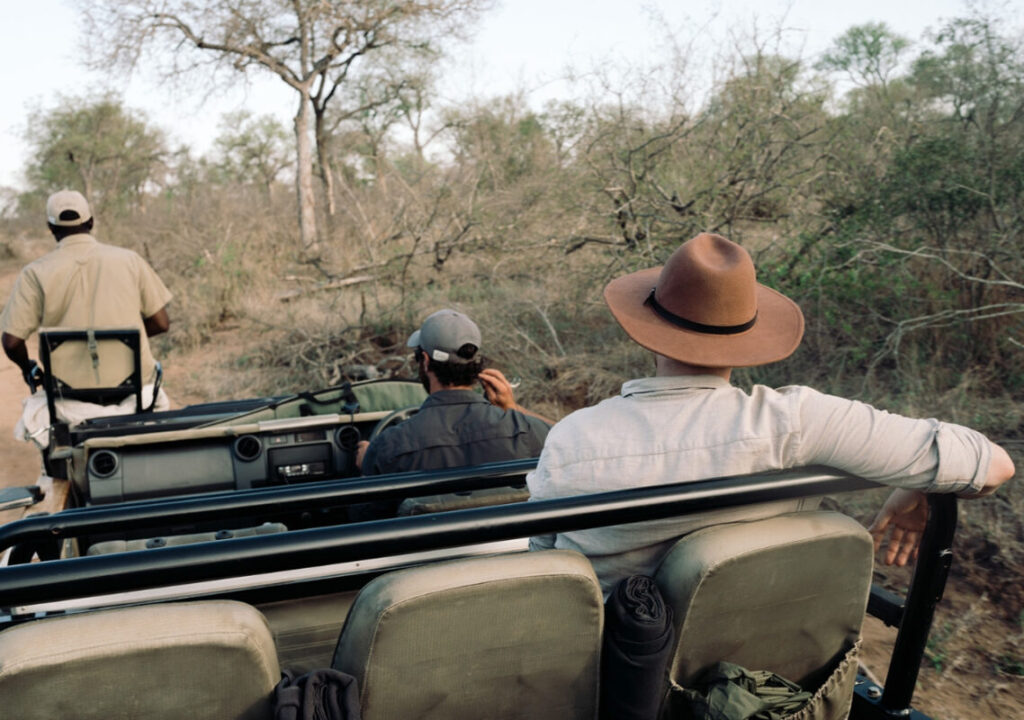
Why Not Wear White on Safari?
When planning an unforgettable wildlife journey, travelers often focus on destinations, wildlife encounters, and accommodations. However, clothing choices play a powerful role in shaping the safari experience. Therefore, one important question deserves clear attention: Why not wear white on safari? At Kitagata Safaris Uganda, we guide our guests through every stage of preparation, including smart packing decisions that enhance comfort, safety, and overall enjoyment.
A safari adventure in Uganda takes place across diverse landscapes. These include savannah plains, tropical forests, wetlands, and mountainous terrain. Each environment presents unique conditions that influence clothing choices. White clothing may look stylish in urban settings. However, it performs poorly in dusty parks, humid forests, and active walking safaris.
Dust, Dirt, and Daily Game Drives: Why Not Wear White on Safari?
To fully understand Why Not Wear White on Safari?, one must first examine typical safari conditions. African game drives often take place on dusty, unpaved roads. Safari vehicles travel across dry terrain, especially during peak wildlife viewing seasons. As a result, fine red or brown dust settles easily on clothing.
White fabric attracts dust quickly. Even short game drives can leave visible stains. Consequently, white clothing loses its fresh appearance within minutes. Moreover, dust particles cling more noticeably to light fabrics, creating discomfort and repeated laundry needs.
Kitagata Safaris Uganda prioritizes practical guidance. We encourage neutral colors such as khaki, olive, brown, and muted green. These shades blend naturally with the environment and conceal dust more effectively.
Additionally, safari adventures often include early mornings and late evenings. Temperature changes occur frequently. Therefore, layering with durable fabrics ensures flexibility. White clothing rarely meets these practical demands.
Walking Safaris and Wildlife Awareness: Why Not Wear White on Safari?
Another key reason behind Why Not Wear White on Safari? involves wildlife behavior. Walking safaris require heightened awareness and minimal disturbance. Guides instruct guests to wear neutral colors that blend into natural surroundings.
White clothing stands out sharply against green vegetation and golden savannah landscapes. This contrast may alert wildlife prematurely. Animals respond instinctively to unusual movement and bright contrasts.
In certain parks, guides restrict white clothing during walking safaris. This rule enhances both guest safety and wildlife protection. When visitors wear earth-toned clothing, they reduce visual impact and maintain calm wildlife encounters.
Kitagata Safaris Uganda designs walking safaris in exceptional locations such as Queen Elizabeth National Park and Murchison Falls National Park. These experiences demand thoughtful clothing choices.
Insects and Environmental Factors: Why Not Wear White on Safari?
When exploring tropical regions, insect management becomes essential. Therefore, another strong explanation for Why Not Wear White on Safari? relates to insect attraction. Certain insects, including tsetse flies, respond to specific color contrasts.
Although dark blue and black attract tsetse flies more strongly, bright white clothing still increases visibility in certain environments. Neutral tones reduce overall attention from insects and wildlife alike.
Moreover, white fabric often lacks thickness. Lightweight white garments may provide less protection from sun exposure and vegetation scratches. Safari activities frequently include boat cruises, forest walks, and cultural village visits. Each environment requires durable clothing.
Kitagata Safaris Uganda advises long-sleeved shirts and long trousers in breathable, neutral fabrics. These garments protect against sunburn, insects, and thorny plants.
Gorilla Trekking Considerations: Why Not Wear White on Safari?
The question Why Not Wear White on Safari? becomes even more critical during Uganda Gorilla Trekking. Gorilla trekking takes place in dense rainforest conditions within Bwindi Impenetrable National Park and Mgahinga Gorilla National Park.
Forest trails contain mud, moisture, and thick vegetation. White clothing stains instantly in such environments. Moreover, trekking involves navigating narrow paths, climbing slopes, and stepping through undergrowth.
Guides recommend long trousers and long-sleeved shirts in earthy shades. These colors mask dirt while blending into forest surroundings. Gorilla families remain sensitive to sudden visual contrasts. Subtle clothing colors help maintain calm interactions.
Kitagata Safaris Uganda prepares guests thoroughly for gorilla trekking experiences. We emphasize proper gear, including sturdy boots, gloves, and neutral attire.
What Can I Expect in a Uganda Gorilla Trekking Experience?
Treks begin with a ranger briefing. Small groups enter the forest to locate habituated gorilla families. The duration varies depending on gorilla movement. However, each encounter allows one hour of observation.
During this time, visitors witness silverbacks, mothers, and playful juveniles in their natural habitat. The experience inspires deep respect for conservation efforts.
Proper clothing enhances this encounter. Therefore, understanding Why Not Wear White on Safari? forms part of comprehensive trekking preparation.
Kitagata Safaris Uganda ensures seamless coordination, professional guiding, and ethical wildlife interaction standards.
How Much Are the Permits for Uganda Gorilla Trekking?
Conservation Investment and Planning
Another essential question involves permit pricing. Many travelers ask, How much are the permits? Uganda Gorilla Trekking permits currently cost approximately $800 per person for foreign non-residents. Rates vary for residents and citizens.
Permit fees support conservation initiatives, ranger salaries, and community development programs. Therefore, this investment protects endangered mountain gorillas for future generations.
Kitagata Safaris Uganda secures permits in advance to guarantee availability. Gorilla permits remain limited due to conservation regulations.
What Are the Best Places for Safari in Uganda?
While exploring Why Not Wear White on Safari?, travelers often inquire, What are the best places? Uganda offers diverse safari destinations.
Queen Elizabeth National Park provides classic savannah wildlife viewing, including lions and elephants. Murchison Falls National Park features dramatic waterfalls and Nile boat safaris. Lake Mburo National Park offers intimate walking safaris.
Each location presents different environmental conditions. Dusty plains, wetlands, and forest trails all demand appropriate attire.
The Accommodations: Comfort in the Wild
When planning safari adventures, guests frequently ask about The accommodations. Uganda offers luxury lodges, mid-range camps, and boutique eco-retreats near national parks.
Lodges near Bwindi often provide panoramic forest views. Guests enjoy warm hospitality and locally inspired cuisine. Around Queen Elizabeth National Park, lodges overlook savannah plains and crater lakes.
Many safari lodges organize cultural experiences. Visitors may participate in Batwa forest heritage tours near Bwindi. Traditional dance performances and storytelling enrich evening relaxation. Community visits create meaningful cultural exchange.
Kitagata Safaris Uganda selects accommodations that align with international standards. We prioritize comfort, safety, and authentic experiences.
What Can I Pack For a Smart Safari Adventure?
Choose neutral-colored shirts and trousers. Pack a wide-brimmed hat, sunglasses, sunscreen, and insect repellent. Include a lightweight jacket for cool mornings. Bring sturdy walking shoes or hiking boots.
Carry a camera with protective casing against dust. Pack reusable water bottles and personal medications.
Kitagata Safaris Uganda provides detailed packing lists tailored to your itinerary. Preparation strengthens your confidence and enhances your safari experience.
Can I Combine Uganda Cultural Safaris with Uganda Gorilla Trekking?
After gorilla trekking, visit local communities around Bwindi. Engage with Batwa heritage programs. Explore traditional crafts and music. Extend your journey to Lake Bunyonyi for relaxation.
Cultural immersion deepens your connection to Uganda’s landscapes and people.
What Does Kitagata Safaris Uganda Offer You on a Uganda Gorilla Trekking?
When considering Why Not Wear White on Safari?, travelers should also evaluate service providers. Kitagata Safaris Uganda delivers full safari coordination.
We handle permits, accommodation bookings, airport transfers, and professional guiding. Our 4×4 vehicles ensure comfortable travel across varied terrain. We maintain transparency in pricing and planning.
Our team combines local expertise with global service standards. We prioritize conservation and community engagement.
Why Choose Kitagata Safaris Uganda For Your Uganda Gorilla Trekking?
Choosing the right safari operator determines your overall experience. Kitagata Safaris Uganda stands as a reliable authority in Africa tourism.
We provide trusted information, detailed preparation guidance, and ethical travel practices. We answer critical questions, including Why Not Wear White on Safari?, with clarity and professional insight.
Our commitment to excellence ensures unforgettable wildlife encounters, comfortable accommodations, and meaningful cultural experiences.
Final Thoughts: Smart Clothing Choices Define Safari Comfort
Understanding Why Not Wear White on Safari? helps travelers prepare realistically for African adventures. Dust, wildlife sensitivity, and environmental factors make white clothing impractical.
Neutral colors enhance comfort, safety, and wildlife interaction. Proper packing transforms your safari into a seamless experience.
Kitagata Safaris Uganda welcomes global travelers seeking expertise, authenticity, and trusted guidance. Prepare wisely, travel responsibly, and experience Uganda with confidence.