How Long Is the Trek to See Gorillas in Rwanda?
December 17, 2025
How many days do you need for gorilla trekking?
December 18, 2025
Is Rwanda Better Than Uganda for Gorilla Trekking?
Is Rwanda better than Uganda for gorilla trekking remains a key question among global travelers planning a once-in-a-lifetime primate safari. Both destinations protect endangered mountain gorillas and deliver extraordinary wildlife experiences. However, each country offers distinct advantages that appeal to different travel styles. Rwanda promotes high-end, short-duration trekking experiences within Volcanoes National Park. Uganda provides diverse landscapes, longer encounters, and varied pricing options across Bwindi Impenetrable National Park and Mgahinga Gorilla National Park. This safari overview explains the real differences clearly. Kitagata Safaris Uganda created this guide to help travelers make confident decisions. The article highlights trekking duration, permit costs, terrain, accommodations, cultural experiences, and value for money. Travelers gain clarity through practical insights grounded in field experience. Understanding whether Rwanda is better than Uganda for gorilla trekking ensures realistic expectations. Informed planning enhances enjoyment, comfort, and satisfaction. This guide speaks directly to a global audience seeking authentic African safari expertise.
Understanding Gorilla Trekking Experiences in Rwanda and Uganda
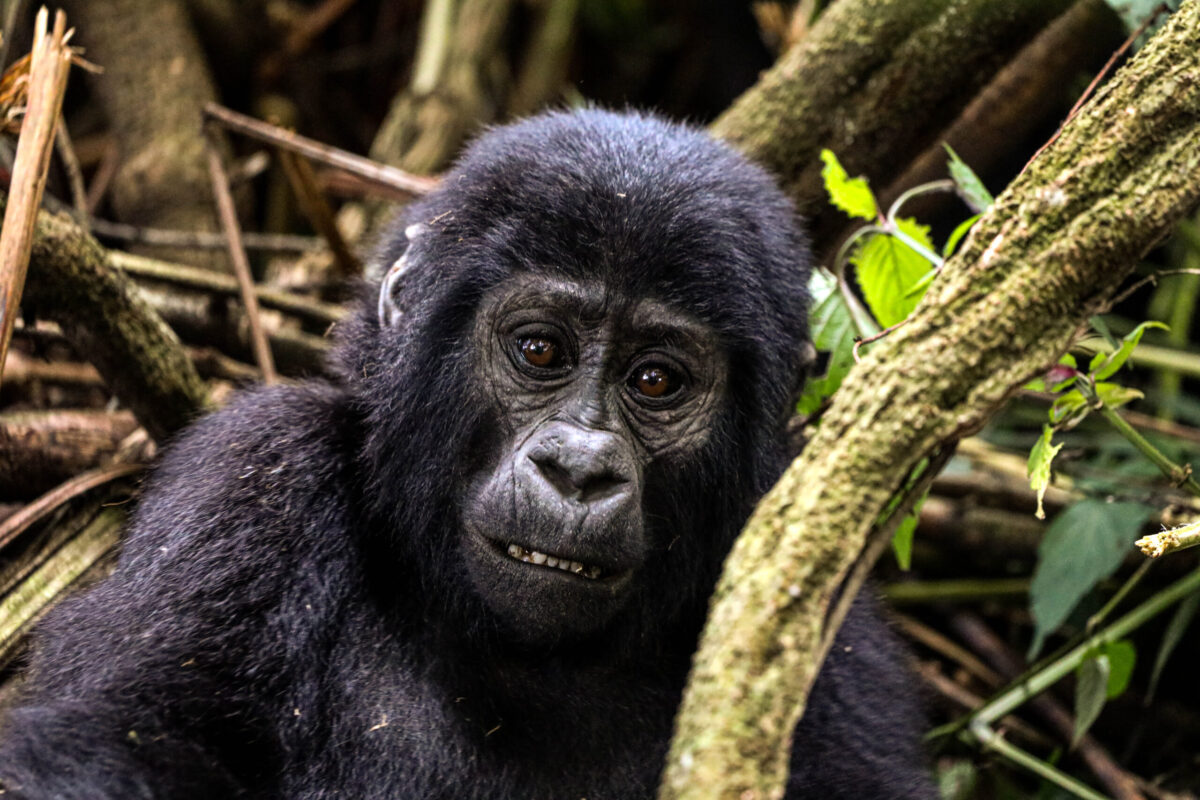
Rwanda offers gorilla trekking exclusively in Volcanoes National Park. The park features open bamboo forests and volcanic slopes. Treks often feel shorter due to better infrastructure and easier terrain. Uganda offers two trekking destinations. Bwindi Impenetrable National Park features dense rainforest and steep valleys. Mgahinga Gorilla National Park offers scenic volcano views and lighter forest cover. Uganda’s terrain feels more rugged and adventurous. Rwanda focuses on luxury and efficiency. Uganda emphasizes diversity and immersion. Both destinations limit group sizes to protect gorillas. Rangers guide every trek professionally. Gorilla encounters feel equally powerful in both countries. The difference lies in overall experience style. Kitagata Safaris Uganda helps travelers choose based on fitness, budget, and expectations. Understanding these differences answers the question clearly and confidently.
Trekking Duration Comparison: Rwanda Versus Uganda
Rwanda generally offers shorter treks. Many gorilla families live closer to park boundaries. Some treks last one to three hours. Uganda’s treks often last longer. Bwindi’s gorillas roam deep within thick forest. Treks commonly range from two to six hours. Longer treks increase physical challenge. However, they also increase adventure satisfaction. Rwanda suits travelers with limited time or mobility concerns. Uganda suits travelers seeking deeper wilderness experiences. Both destinations allocate groups based on fitness when possible. Gorilla movements still influence daily trekking times. No trek guarantees a fixed duration. Kitagata Safaris Uganda prepares travelers for realistic expectations. Trek length should not discourage participation. Every encounter delivers emotional impact regardless of hiking time. The journey itself becomes part of the story.
What Can I Expect During Gorilla Trekking in Both Countries?
Both countries offer structured morning briefings. Rangers explain safety rules and gorilla behavior. Groups remain small for conservation reasons. Treks begin early to maximize success. Rwanda’s trails often feel clearer and wider. Uganda’s trails feel narrow and dense. Uganda’s forest creates a raw jungle atmosphere. Rwanda’s environment feels more open and scenic. Once gorillas appear, both countries allow exactly one hour of observation. Gorillas behave naturally in both settings. Silverbacks display dominance calmly. Juveniles play and climb freely. Photography requires patience and respect. Guides manage distance carefully. The emotional experience feels equally powerful. Visitors often describe it as life-changing. Kitagata Safaris Uganda ensures travelers feel prepared and confident. Understanding expectations removes anxiety and builds excitement.
How Much Are the Permits in Rwanda and Uganda?
Rwanda charges USD 1,500 per permit. Uganda charges USD 800 per permit for foreign non-residents. Uganda also offers discounted permits during low seasons. Permit fees support conservation and community development in both countries. Rwanda follows a high-value, low-volume tourism model. Uganda follows a balanced and inclusive model. Rwanda’s higher price targets luxury travelers. Uganda’s lower price attracts a wider audience. Permit availability affects travel planning. Rwanda permits sell out quickly due to limited numbers. Uganda offers more permits across multiple sectors. Kitagata Safaris Uganda advises early booking for both destinations. Budget-conscious travelers often prefer Uganda. Luxury-focused travelers may prefer Rwanda. Permit cost plays a major role in deciding which destination suits you best.
What Can I Pack for Gorilla Trekking in Rwanda and Uganda?
Both destinations require similar packing lists. Waterproof hiking boots remain essential. Long trousers and long-sleeved shirts protect skin. Rain jackets remain necessary year-round. Gloves protect hands from stinging plants. Trekking poles assist balance on steep slopes. Uganda’s forest often feels muddier. Rwanda’s trails feel drier but still slippery. Daypacks carry water, snacks, and cameras. Neutral clothing colors blend with forest surroundings. Insect repellent improves comfort. Sunscreen helps during open sections. Personal medication remains important. Porters assist with carrying heavy items. Kitagata Safaris Uganda provides detailed packing guidance. Proper packing enhances comfort and confidence. Prepared travelers enjoy the trek regardless of destination choice.
What Are the Best Places to Stay Near Gorilla Trekking Parks?
Rwanda offers world-class luxury lodges near Volcanoes National Park. Many lodges feature private villas and premium service. Uganda offers a wider range of accommodations. Bwindi features luxury, mid-range, and budget lodges. Mgahinga offers scenic lodges with volcano views. Uganda’s lodges often sit deeper within nature. Rwanda’s lodges emphasize comfort and convenience. Uganda’s lodges emphasize immersion and authenticity. Both destinations support community development through tourism. Lodges provide packed breakfasts for early treks. Evening relaxation enhances recovery after hikes. Kitagata Safaris Uganda selects accommodations carefully. Comfort, location, and sustainability guide recommendations. The right lodge improves overall safari satisfaction.
The Accommodations: Comfort and Recovery After the Trek
Rwanda’s lodges often include spa services. Hot stone massages soothe tired muscles. Gourmet dining enhances the luxury experience. Uganda’s lodges offer warm hospitality and hearty meals. Fireplaces provide comfort during cool evenings. Eco-lodges focus on sustainability and community support. Uganda’s accommodations often feel more intimate and rustic. Rwanda’s accommodations feel polished and refined. Both provide hot showers and comfortable beds. Staff understand trekkers’ physical needs. Laundry services help dry muddy clothing. Kitagata Safaris Uganda prioritizes recovery comfort. Rest plays a vital role in safari enjoyment. The choice depends on personal preference and budget.
Can I Combine Hiking With Gorilla Trekking?
Both destinations offer hiking opportunities. Rwanda features Mount Bisoke and Mount Karisimbi hikes. Bisoke offers a scenic crater lake hike. Karisimbi provides a challenging two-day adventure. Uganda offers volcano hikes in Mgahinga National Park. Mount Sabyinyo and Mount Gahinga attract adventure hikers. Bwindi offers nature walks and birding trails. Uganda also offers chimpanzee trekking and wildlife safaris. Rwanda focuses more on primates and culture. Uganda offers broader safari combinations. Kitagata Safaris Uganda designs multi-activity itineraries. Combining hiking with gorilla trekking enhances value. Adventure seekers often prefer Uganda’s diversity. Rwanda suits travelers with limited time.
Value for Money: Which Destination Offers More?
Rwanda delivers efficiency, luxury, and shorter treks. Uganda delivers affordability, diversity, and deeper immersion. Rwanda suits high-end travelers seeking convenience. Uganda suits adventurous travelers seeking variety. Uganda’s lower permit cost allows longer safaris. Rwanda’s high permit cost shortens many itineraries. Uganda offers more flexibility for combined activities. Rwanda focuses strongly on gorilla conservation branding. Both destinations protect gorillas successfully. Kitagata Safaris Uganda helps travelers match expectations with budgets. Value depends on personal priorities rather than quality differences.
Why Choose Kitagata Safaris Uganda for Gorilla Trekking?
Is Rwanda better than Uganda for gorilla trekking becomes easier to answer with expert guidance. Kitagata Safaris Uganda brings deep regional knowledge. The company designs personalized itineraries for both destinations. Transparent advice builds trust and confidence. Strong partnerships ensure quality service delivery. Professional guides enhance safety and enjoyment. Responsible tourism remains a core value. Client satisfaction guides every decision. Kitagata Safaris Uganda understands both Rwanda and Uganda deeply. Travelers receive honest comparisons and tailored recommendations. Choosing the right operator shapes the entire experience. Kitagata Safaris Uganda stands as a reliable authority in Africa tourism.