
How to Dress for Gorilla Trekking
December 10, 2025
Do I Need Hiking Boots for Gorilla Trekking?
December 11, 2025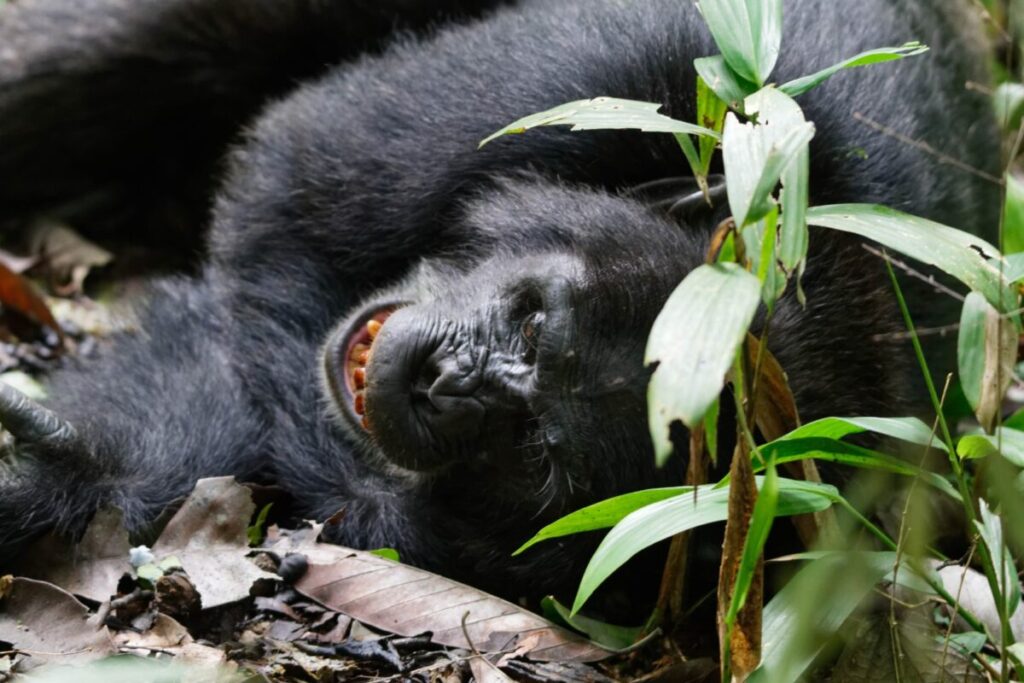
Why Do People Wear Masks When Gorilla Trekking?
Why do people wear masks when gorilla trekking? Many travelers ask this question as they prepare for their once-in-a-lifetime encounter with the gentle giants of the rainforest. Kitagata Safaris Uganda guides travelers through these magical adventures in Bwindi Impenetrable National Park and Mgahinga Gorilla National Park while ensuring that safety, conservation, and unforgettable wilderness experiences remain at the heart of every safari. Gorilla trekking offers travelers an emotional connection with wildlife that creates lifelong memories, yet it demands responsibility and understanding of how human behavior influences gorilla health. The forests of Uganda hold extraordinary biodiversity, vibrant cultural traditions, and welcoming communities, and every trek opens doors to deeper knowledge about conservation. This article explains why masks are essential, what to expect during your gorilla trek, how to plan your safari, how cultural immersion enhances your journey, and why travelers worldwide choose Kitagata Safaris Uganda as their trusted safari partner.
Why Masks Matter When Gorilla Trekking | Protecting Gorillas and Supporting Conservation
Understanding Why do people wear masks when gorilla trekking? begins with recognizing the delicate relationship between humans and mountain gorillas. Gorillas share more than 98% of human DNA, which means they catch human illnesses easily, including flu, cough, and other respiratory infections. A simple cold can threaten an entire gorilla family, especially infants whose immune systems remain underdeveloped. Therefore, wearing a mask during gorilla trekking protects these endangered primates from diseases that may harm them. Kitagata Safaris Uganda prioritizes responsible tourism, and by wearing masks travelers participate directly in conservation efforts. The mask becomes a symbol of respect, safety, and commitment to gorilla survival. While some trekkers feel unsure about trekking with a mask, the practice enhances the long-term health of gorilla populations. Rangers, trackers, researchers, and guides also use masks daily to reduce risks, maintain healthy gorilla groups, and create a sustainable tourism model that benefits local communities. Travelers who ask Why do people wear masks when gorilla trekking? discover that the answer connects them to a mission greater than sightseeing. Wearing a mask allows visitors to leave a positive impact that extends beyond their safari and supports Uganda’s conservation success story. Kitagata Safaris Uganda uses this approach to ensure trekkers protect wildlife while enjoying close and meaningful encounters with gorillas in their natural habitat.
What to Expect During Gorilla Trekking | Preparation, Hiking, and The Mask Experience
Travelers often wonder What to expect during gorilla trekking? and how wearing a mask influences the overall experience. Gorilla trekking involves hiking through thick forests, navigating natural trails, and following experienced rangers who track gorilla movements from early morning. Trekkers start with a briefing at the park headquarters where guidelines, safety instructions, and conservation rules are explained. Masks become part of the essential trekking gear, just like hiking boots and drinking water. Trekkers only wear masks when approaching gorillas, which ensures comfort during the hike while maintaining safety during close wildlife interaction. The trek length varies depending on the location of the gorilla family, as some groups settle near the trails while others move deeper into the forest. The moment trekkers meet the gorillas, the mask adds a layer of protection without reducing the emotional connection. Watching gorillas groom, feed, play, and interact while wearing a mask does not diminish the experience. Many travelers often forget they are wearing one because the encounter feels magical and immersive. Kitagata Safaris Uganda ensures travelers feel comfortable, well prepared, and confident as they observe gorillas during the permitted one hour. When travelers reflect on Why do people wear masks when gorilla trekking? they appreciate that this simple practice enables safe, respectful encounters that uphold conservation values. This makes every moment meaningful and memorable while supporting Uganda as a premier gorilla trekking destination.
How Much Is the Gorilla Trekking Permit? | Understanding Costs and Value for Conservation
The question How much is the gorilla permit? appears frequently among travelers planning their East African safari. Gorilla trekking permits in Uganda cost USD 800 for foreign non-residents, USD 700 for foreign residents, and UGX 300,000 for East African citizens. These fees support community development, park management, ranger welfare, and long-term conservation research. Kitagata Safaris Uganda handles permit booking on behalf of travelers to ensure seamless planning and guaranteed availability. Since gorilla trekking permits often sell out during peak seasons, early booking becomes essential. The cost of a permit may seem high at first, yet the experience offers unmatched wildlife interaction, cultural immersion, and natural beauty. The revenue also funds education, healthcare, employment, and infrastructure in communities surrounding Bwindi and Mgahinga. This means every traveler contributes directly to local development and gorilla protection. When visitors ask Why do people wear masks when gorilla trekking? cost becomes part of the bigger conservation picture. Masks reduce medical risks that may lead to expensive treatments, wildlife interventions, or population decline. The permit fee therefore works hand-in-hand with mask use to build a sustainable tourism model that benefits wildlife, travelers, and local communities together. Kitagata Safaris Uganda provides transparent pricing, expert guidance, and personalized packages that match different traveler budgets to ensure everyone enjoys exceptional value from their gorilla trekking adventure.
Can I Combine Chimpanzee Tracking with Gorilla Trekking?
Many travelers planning their trip with Kitagata Safaris Uganda ask Can I combine chimpanzee tracking with gorilla trekking? The answer is yes, and this combination creates one of the most rewarding primate safaris in East Africa. Uganda hosts iconic chimpanzee populations in Kibale National Park, Kalinzu Forest, and Budongo Forest, offering thrilling encounters with intelligent and lively primates. Combining gorilla trekking with chimpanzee tracking allows travelers to experience the contrast between the calm, gentle behavior of gorillas and the energetic, vocal nature of chimpanzees. This multi-destination itinerary deepens travelers’ understanding of primate behavior, forest ecosystems, and community conservation programs. Kitagata Safaris Uganda designs seamless packages that include accommodation, transportation, meals, cultural experiences, and permits for both activities. Travelers discover that primate safaris blend perfectly with wildlife game drives, birding excursions, and scenic tours across Uganda. While planning these adventures, mask use continues to play a vital role in protecting both gorillas and chimpanzees from human illness. When travelers reflect on Why do people wear masks when gorilla trekking? they understand the importance of applying similar safety practices during chimpanzee tracking. This protects primates across multiple ecosystems and ensures sustainable tourism that thrives for generations. The combination safari becomes an unforgettable opportunity to explore Uganda’s rich primate diversity while supporting meaningful conservation programs.
Why Choose Kitagata Safaris Uganda? | Expertise, Authority, and Trusted Travel Experiences
Travelers searching for reliable safari partners often ask Why choose Kitagata Safaris Uganda? The answer lies in the company’s commitment to responsible tourism, personalized service, expert guiding, and strong community partnerships. Kitagata Safaris Uganda builds every safari on transparency, professionalism, and conservation ethics. The team offers extensive knowledge of Uganda’s national parks, wildlife behavior, local culture, and the best travel seasons. This experience ensures travelers receive accurate information, well-planned itineraries, and unforgettable journeys tailored to their interests. Visitors who wonder Why do people wear masks when gorilla trekking? appreciate that Kitagata Safaris Uganda explains every detail clearly and offers practical guidance that enhances safety and comfort. The company’s expertise in gorilla trekking, chimpanzee tracking, cultural immersion, and East African wildlife safaris positions it as a dependable authority in the tourism industry. Travelers benefit from professional guides who translate forests, wildlife, and culture into fascinating stories that enrich the safari experience. Kitagata Safaris Uganda builds strong relationships with lodges, communities, and conservation organizations to create sustainable tourism opportunities. These partnerships improve service quality, community empowerment, and wildlife protection. The company stands as a reliable brand for travelers seeking authentic, ethical, and transformative adventures in Uganda and East Africa.
Cultural Experiences Around Lodges | Connecting Travelers to Local Traditions
Many visitors want to understand the culture surrounding gorilla trekking destinations, and often ask about the culture around the lodges in Bwindi and Mgahinga. The regions surrounding these parks host vibrant communities such as the Batwa, Bakiga, and Bafumbira. These groups protect rich traditions, music, dance, farming practices, and storytelling that enhance every safari. Kitagata Safaris Uganda encourages travelers to explore guided cultural walks, traditional craft demonstrations, herbal medicine lessons, and homestead visits during their stay. Travelers learn about the Batwa people, who once lived in the forest and practiced hunting, gathering, and spiritual rituals. The shift from forest life to village settlements presents a powerful story of resilience, cultural preservation, and the impact of conservation. Visitors also explore community farms, banana plantations, cultural museums, and traditional performance centers. These experiences add depth to the question Why do people wear masks when gorilla trekking? because cultural awareness strengthens travelers’ understanding of how local communities contribute to gorilla protection. Many lodges work closely with community groups to offer cultural dance shows, craft workshops, and farm-to-table culinary experiences. This supports local artisans, women’s cooperatives, and youth programs that promote education and employment. Kitagata Safaris Uganda integrates cultural experiences into every safari itinerary to ensure travelers connect with Uganda’s heritage, values, and warm hospitality in meaningful ways.
Other Safaris in East Africa | Expanding Your Adventure Beyond Gorillas
Travelers often ask about Other Safaris in East Africa after completing their gorilla trekking adventure. Uganda forms part of a larger East African safari circuit that includes Kenya, Tanzania, Rwanda, and sometimes the Democratic Republic of Congo. Kitagata Safaris Uganda helps travelers design multi-country itineraries that combine gorilla trekking with the Great Migration in Serengeti, big five safaris in Maasai Mara, golden monkey tracking in Volcanoes National Park, and mountain hiking in the Rwenzori Mountains. These extended journeys offer a complete African safari experience that covers wildlife, culture, nature, and adventure. When travelers explore additional destinations, they continue to encounter conservation practices similar to those applied during gorilla trekking. The question Why do people wear masks when gorilla trekking? connects to broader wildlife protection strategies across East Africa, because many primates and endangered species remain vulnerable to human diseases. Kitagata Safaris Uganda ensures every safari offers safe interaction with wildlife, high-quality accommodation, professional guiding, and seamless border arrangements. Travelers enjoy breathtaking landscapes, diverse wildlife species, and unique cultural traditions that showcase the incredible richness of East Africa. The company’s expertise helps travelers choose the best add-on experiences, seasonal highlights, and exclusive safari activities that create unforgettable memories.
Your Journey with Kitagata Safaris Uganda
The question Why do people wear masks when gorilla trekking? opens the door to a deeper understanding of conservation, safety, responsibility, and meaningful engagement with Uganda’s mountain gorillas. Wearing a mask becomes a powerful act of protection that safeguards the health of endangered gorillas and supports the long-term success of responsible tourism. Kitagata Safaris Uganda stands as a trusted guide, offering expert knowledge, personalized service, and well-designed safaris that celebrate the beauty of Uganda and East Africa. Travelers enjoy immersive cultural experiences, thrilling wildlife encounters, and sustainable tourism practices that uplift local communities. Every safari becomes a journey of discovery, connection, and lasting impact. Kitagata Safaris Uganda invites the world to explore the forests, meet the gorillas, and experience the warmth of Uganda’s people while joining efforts that protect wildlife for future generations.
