Do I Need Vaccinations for Uganda Safari with Other Destinations?
March 25, 2026
Can I See Chimpanzees in Uganda Safari with Other Destinations?
March 25, 2026
What’s the Weather Like in Uganda Safari with Other Destinations?
Weather plays a central role in shaping every safari experience across Uganda and neighboring regions. Therefore, travelers must consider climate patterns before making travel decisions.
Uganda offers a unique climate influenced by its equatorial position and elevated landscapes. This combination creates moderate temperatures throughout the year. As a result, visitors enjoy comfortable conditions during most safari activities. However, rainfall patterns influence accessibility, wildlife movement, and overall travel experiences.
Moreover, combining Uganda safari with other destinations such as Kenya, Rwanda, or Tanzania introduces climate variations. Each destination has its own weather patterns. Therefore, understanding regional differences ensures better preparation.
Kitagata Safaris Uganda provides expert guidance to help travelers plan effectively. This detailed climate guide answers key questions while enhancing your safari readiness. It also strengthens your travel confidence by offering reliable and practical insights.
Overview of Uganda Safari with Other Destinations: What’s the Weather Like Across Regions?
A Uganda safari with other destinations offers diverse landscapes and climates within one itinerary. Travelers often explore rainforests, savannahs, lakes, and mountainous regions. Each environment presents unique weather conditions that influence travel experiences.
When addressing What’s the Weather Like in Uganda Safari with Other Destinations, Uganda generally experiences mild temperatures year-round. The country’s elevation moderates equatorial heat. Therefore, temperatures often remain comfortable for outdoor exploration.
Currently, conditions reflect a typical pattern. Kampala experiences cloudy, humid, and mild weather with temperatures between 67°F and 73°F. Afternoon thunderstorms often occur during this period. This pattern aligns with the long rainy season, which usually runs from March to May.
Moreover, combining Uganda with other destinations introduces additional climate variations. Kenya and Tanzania often experience hotter and drier conditions in savannah regions. Rwanda shares similar weather patterns with Uganda due to comparable geography.
Therefore, travelers must plan for both wet and dry conditions. Packing appropriately ensures comfort and flexibility throughout the journey. Understanding weather patterns enhances the overall safari experience.
Unique Features of Uganda Safari with Other Destinations: Why Is Uganda’s Climate So Special?
Uganda stands out due to its balanced and pleasant climate. When exploring What’s the Weather Like in Uganda Safari with Other Destinations, travelers quickly notice its unique weather advantages. The country’s equatorial location combines with high altitude to create moderate temperatures.
Unlike extreme climates, Uganda avoids excessive heat and cold. This stability allows year-round travel opportunities. Travelers can explore national parks, forests, and lakes without major seasonal disruptions.
Additionally, Uganda’s climate supports lush vegetation and diverse ecosystems. Rainfall nourishes forests and wetlands, creating ideal habitats for wildlife. This natural richness enhances safari experiences.
Furthermore, combining Uganda with other destinations highlights its climatic uniqueness. While neighboring regions may experience intense heat, Uganda remains relatively cool and comfortable. This contrast makes it an attractive destination for travelers seeking balanced weather.
Understanding these unique features helps travelers prepare effectively. It also allows them to appreciate Uganda’s natural beauty in different seasons. Weather becomes an advantage rather than a challenge.
Wildlife in Uganda Safari with Other Destinations
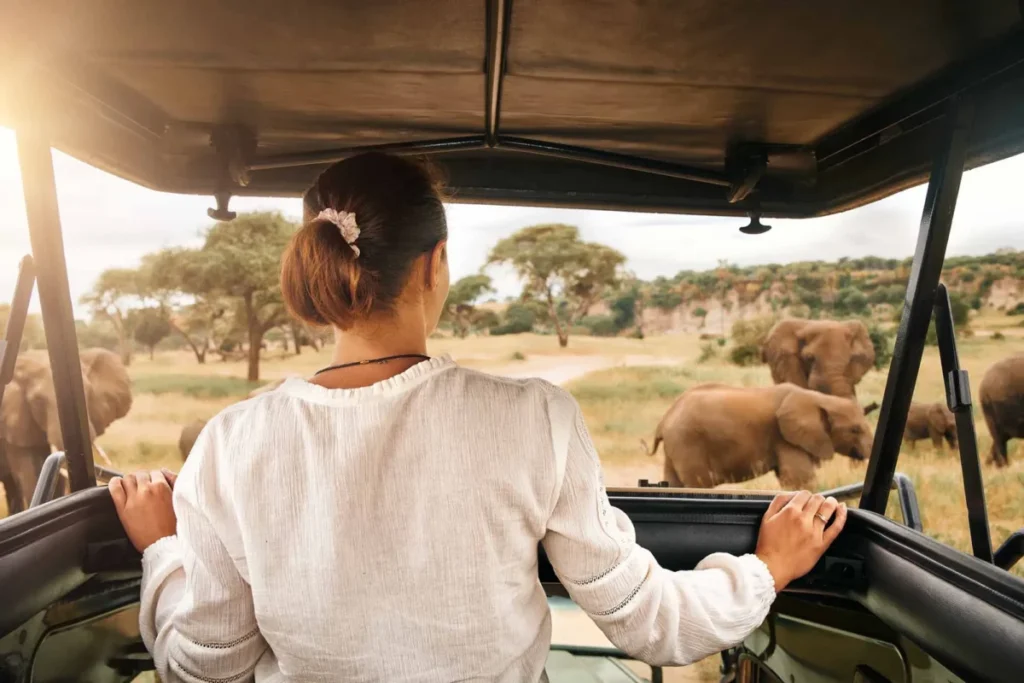
Weather conditions directly affect wildlife behavior and visibility. Therefore, understanding What’s the Weather Like in Uganda Safari with Other Destinations becomes essential for wildlife enthusiasts.
During rainy seasons, vegetation becomes dense and green. This environment supports abundant food sources for animals. However, thick vegetation may reduce visibility during game drives.
In contrast, dry seasons create open landscapes. Wildlife gathers around water sources, making sightings easier. This period offers excellent opportunities for photography and observation.
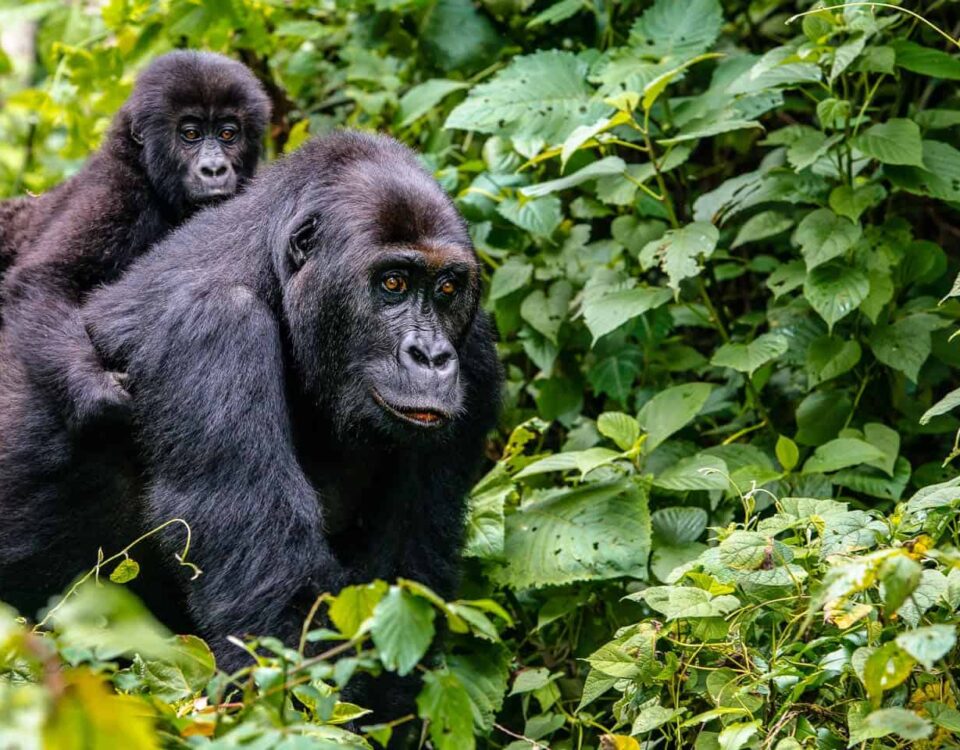
Moreover, primate tracking experiences, such as gorilla trekking, depend on weather conditions. Rain can make trails slippery and challenging. However, it also enhances forest beauty and creates a unique atmosphere.
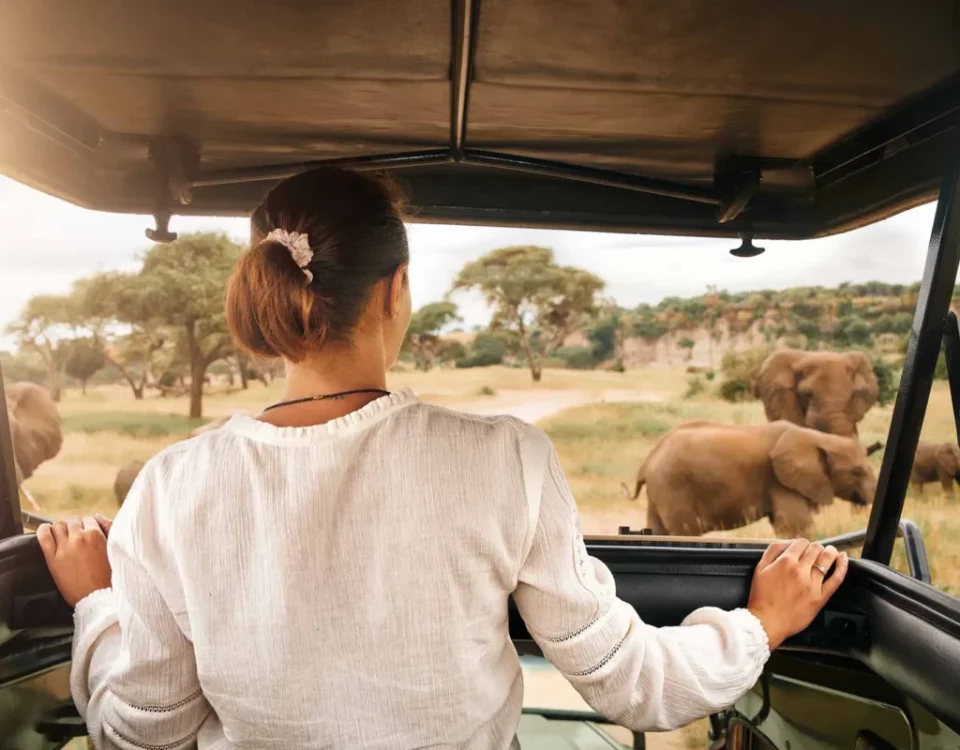
When combining destinations, weather variations influence wildlife experiences across regions. For example, savannah parks in Kenya may offer clearer visibility during dry periods. Meanwhile, Uganda’s forests remain vibrant year-round.
Travelers who understand these patterns can plan better. They can choose the best time for specific wildlife experiences. This knowledge enhances satisfaction and overall safari success.
Activities in Uganda Safari with Other Destinations
Uganda offers diverse safari activities that depend on weather conditions. When considering What’s the Weather Like in Uganda Safari with Other Destinations, travelers must evaluate how climate affects each activity.
Gorilla trekking requires physical effort and preparation. Rainy conditions make trails muddy and challenging. Therefore, proper gear becomes essential for comfort and safety.
Boat safaris on lakes and rivers offer relaxing experiences. However, afternoon storms may affect schedules. Early morning activities often provide better conditions.
Cultural tours and community visits remain enjoyable throughout the year. Mild temperatures allow comfortable interaction with local communities. These experiences add depth to any safari itinerary.
Additionally, combining Uganda with other destinations expands activity options. Travelers may enjoy hot air balloon safaris in Tanzania or game drives in Kenya. Each activity depends on local weather patterns.
Proper planning ensures smooth participation in all activities. Travelers who prepare for varying conditions enjoy a seamless and rewarding experience.
Conservation and Challenges
Rainfall supports biodiversity by sustaining forests and water sources. However, excessive rain may cause flooding and disrupt habitats. This situation creates challenges for wildlife and conservation teams.
Dry seasons may lead to water shortages in some regions. Wildlife depends on limited resources during these periods. Conservation efforts focus on protecting these critical ecosystems.
Moreover, climate change introduces unpredictable weather patterns. This challenge affects tourism, wildlife, and local communities. Sustainable tourism practices help address these issues.
Travelers contribute to conservation by choosing responsible tour operators. Kitagata Safaris Uganda promotes eco-friendly practices that protect natural resources. This approach ensures long-term sustainability.
Understanding weather-related challenges enhances appreciation for conservation efforts. It also encourages responsible travel behavior.
Getting to Uganda Safari with Other Destinations
Rainy seasons may impact road conditions in remote areas. Some routes become difficult to access due to mud and flooding. Therefore, travelers should plan flexible itineraries.
Air travel remains reliable throughout the year. However, occasional weather delays may occur during heavy storms. Proper scheduling minimizes disruptions.
Moreover, combining destinations requires careful planning. Weather conditions may vary significantly between countries. Travelers must prepare for these differences.
Packing appropriate clothing and gear ensures comfort during travel. Lightweight clothing suits warm conditions, while rain gear protects during wet periods.
Preparation reduces stress and enhances travel efficiency. Understanding weather patterns helps travelers navigate logistics smoothly.
Accommodation in Uganda Safari with Other Destinations
Safari lodges in Uganda adapt to local weather conditions. Many lodges offer ventilation systems that maintain comfort in humid environments. Additionally, mosquito protection enhances safety.
During rainy seasons, lodges provide sheltered spaces and indoor activities. Guests can relax while enjoying scenic views of the surrounding landscapes. This experience adds value to the safari.
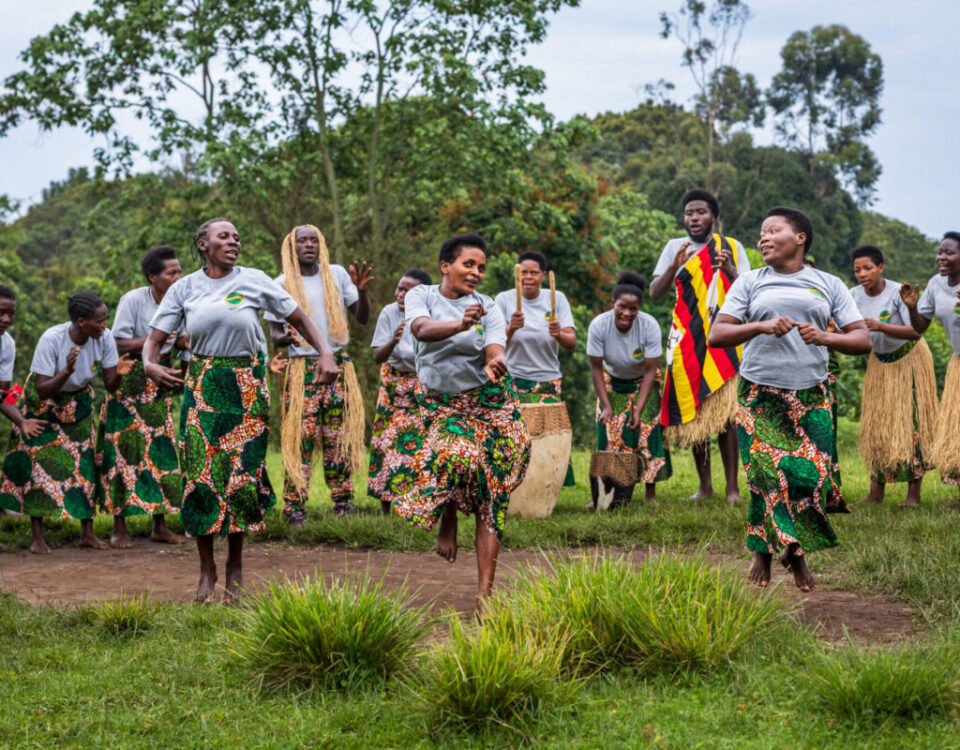
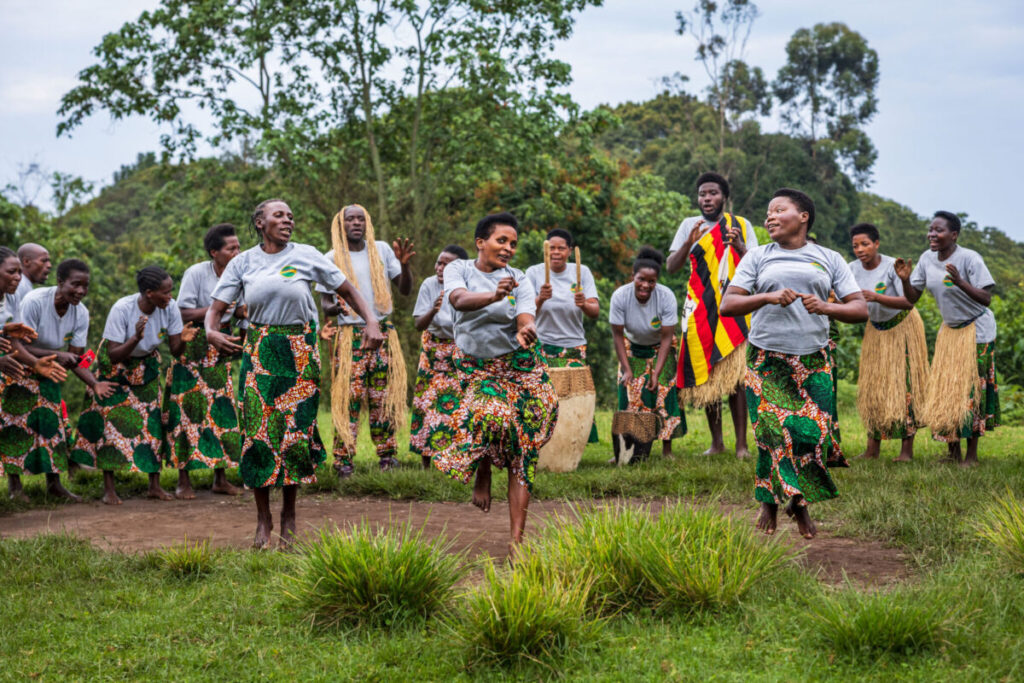
Cultural experiences around lodges enrich the journey. Travelers can engage in traditional dances, storytelling, and local cuisine preparation. These activities remain enjoyable regardless of weather conditions.
Moreover, combining destinations introduces different accommodation styles. Travelers may stay in luxury lodges, tented camps, or boutique hotels. Each option offers unique experiences influenced by climate.
Choosing the right accommodation ensures comfort and satisfaction. It allows travelers to fully enjoy their safari regardless of weather conditions.
Best Time to Visit Uganda Safari with Other Destinations
Uganda experiences two main dry seasons and two rainy seasons. Dry seasons occur from June to August and December to February. These periods offer ideal conditions for wildlife viewing and outdoor activities.
Rainy seasons occur from March to May and September to November. These months bring lush landscapes and fewer crowds. However, travel conditions may become challenging.
Moreover, combining destinations requires careful timing. Different regions may experience varying peak seasons. Travelers should align their itinerary with favorable conditions across all destinations.
Choosing the right time enhances the overall safari experience. It ensures better wildlife sightings, comfortable travel, and enjoyable activities.
Conclusion: What’s the Weather Like in Uganda Safari with Other Destinations and Why Does It Matter?
Understanding What’s the Weather Like in Uganda Safari with Other Destinations remains essential for every traveler. Uganda offers a balanced climate that supports year-round exploration. Mild temperatures and diverse ecosystems create ideal safari conditions.
However, seasonal variations influence travel experiences. Rainy periods bring lush landscapes, while dry seasons improve wildlife visibility. Each season offers unique advantages.
Moreover, combining Uganda with other destinations introduces climate diversity. Travelers must prepare for different weather conditions across regions. Proper planning ensures a smooth and enjoyable journey.
Kitagata Safaris Uganda provides expert guidance to help travelers navigate these factors. This approach ensures confidence, comfort, and satisfaction throughout the safari.
Ultimately, understanding weather patterns transforms travel planning into a strategic advantage. It allows travelers to experience Uganda and beyond at their best.