
Are Tanzania Cultural Safaris Ethical?
March 11, 2026
How Much Is a Game Drive in Murchison Falls?
March 12, 2026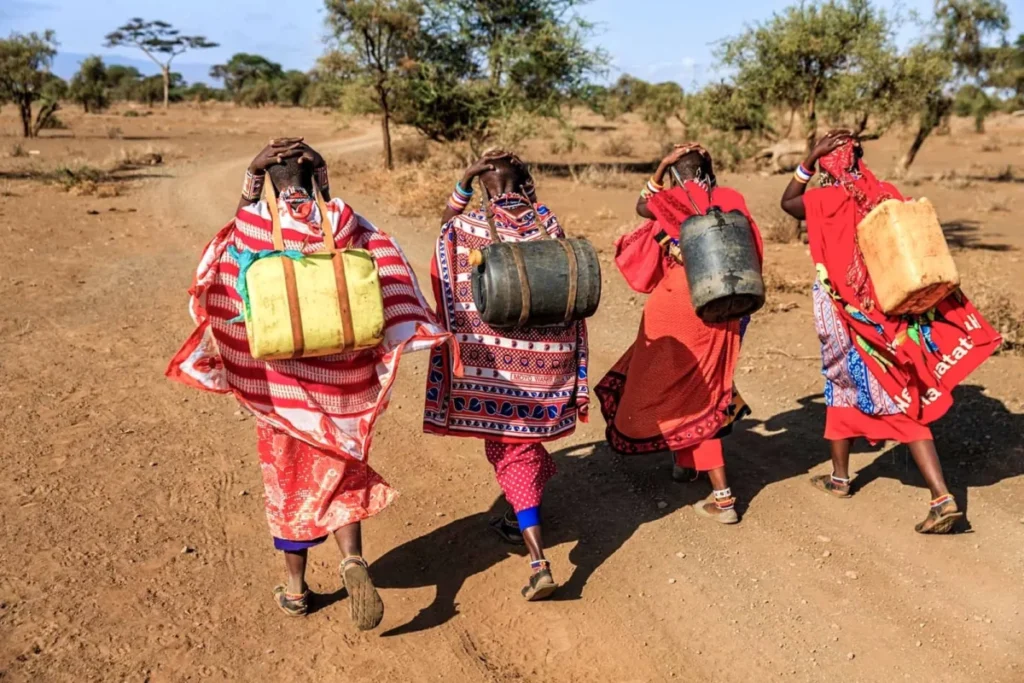
What Are the Challenges Facing Tanzania Cultural Safaris?
Tanzania Cultural Safaris continue to attract global travelers who seek authentic African cultural experiences. Modern travelers desire deeper connections with communities, traditions, and heritage landscapes. Cultural tourism therefore plays a vital role in Tanzania’s tourism industry.
However, every tourism sector faces both opportunities and challenges. Tanzania cultural tourism continues to grow, yet several issues affect its long-term sustainability and development. Understanding these challenges allows tourism operators, governments, and communities to strengthen the sector.
Many travelers already recognize Tanzania for world-class wildlife experiences. Destinations such as the Serengeti and Ngorongoro dominate global tourism conversations. Meanwhile, Tanzania cultural safaris remain an underdeveloped tourism product despite their immense potential.
Cultural tourism connects visitors with traditional lifestyles, heritage knowledge, and local creativity. Communities benefit economically when tourism supports cultural preservation. However, several structural challenges slow progress within the sector.
Key issues include revenue leakage, environmental pressure, infrastructure limitations, weak tourism research, insufficient tourism statistics, and threats to cultural heritage. Addressing these issues requires cooperation between government institutions, tourism businesses, local communities, and international travelers.
Kitagata Safaris Uganda promotes responsible Tanzania Cultural Safaris that strengthen cultural tourism development. The company supports sustainable community tourism and promotes ethical travel practices across East Africa.
Revenue Leakage in Tanzania Cultural Safaris
Revenue leakage remains one of the most significant challenges affecting Tanzania Cultural Safaris. Tourism revenue sometimes leaves local communities instead of supporting cultural development.
International travel companies often dominate global tourism markets. Many travelers book safaris through overseas agencies rather than local operators. This system reduces the share of tourism income that reaches rural communities.
Cultural villages sometimes receive only a small portion of visitor payments. External intermediaries capture a large percentage of tourism profits. Local artisans, performers, and cultural guides therefore gain limited economic benefits.
Revenue leakage also affects community motivation to preserve cultural heritage. When communities receive minimal financial rewards, cultural tourism becomes less sustainable.
Kitagata Safaris Uganda addresses this challenge through community-centered Tanzania Cultural Safaris. The company collaborates directly with local cultural tourism programs. Tourism payments support village development projects, schools, and cultural education programs.
Direct partnerships increase financial transparency and strengthen trust between communities and tourism operators. Cultural tourism then becomes a reliable source of livelihood.
Responsible tourism practices help reduce revenue leakage and strengthen local economies. Travelers also gain confidence knowing their visit contributes directly to community welfare.
Sustainable cultural tourism must prioritize local economic participation.
Environmental Pressure on Tanzania Cultural Safaris
Environmental sustainability plays a crucial role in Tanzania Cultural Safaris. Cultural communities depend heavily on surrounding ecosystems for survival and identity.
Agricultural land, grazing areas, forests, and water sources support daily life in many Tanzanian communities. Tourism development sometimes introduces environmental pressure on these sensitive landscapes.
Unregulated tourism activities may increase waste, pollution, and land degradation. Poor visitor management can also disturb wildlife habitats near cultural villages.
Rapid infrastructure expansion sometimes alters natural landscapes that communities depend upon. Cultural tourism must therefore balance visitor access with environmental protection.
Kitagata Safaris Uganda integrates environmental conservation into Tanzania Cultural Safaris planning. The company promotes eco-friendly travel practices that protect natural resources.
Responsible safari operators encourage waste reduction, water conservation, and sustainable land use. Cultural tourism programs also educate visitors about local environmental stewardship.
Community tourism initiatives often include conservation awareness activities. Visitors learn about traditional farming systems, herbal medicine plants, and natural resource management.
Protecting the environment ensures that cultural traditions remain connected to their natural surroundings.
Sustainable environmental practices strengthen the future of Tanzania cultural tourism.
Infrastructure Limitations Affecting Tanzania Cultural Safaris
Infrastructure development plays a major role in the growth of Tanzania Cultural Safaris. Many culturally rich regions remain difficult to access due to limited transport infrastructure.
Rural communities often live far from major highways and airports. Travelers sometimes encounter rough roads that slow travel between cultural destinations.
Limited transportation infrastructure increases travel time and safari costs. These challenges discourage some visitors from exploring remote cultural regions.
Communication networks also influence tourism development. Limited internet access in rural areas reduces marketing opportunities for community tourism initiatives.
Accommodation infrastructure presents another challenge. Some cultural destinations lack quality lodges or guesthouses that meet international traveler expectations.
Kitagata Safaris Uganda addresses these infrastructure challenges through careful safari planning. The company selects reliable routes and comfortable accommodations for Tanzania Cultural Safaris.
Strategic itinerary design allows travelers to explore remote cultural regions while maintaining travel comfort. Partnerships with local lodges also improve accommodation options near cultural destinations.
Infrastructure investment from governments and private investors will strengthen the future of cultural tourism in Tanzania.
Improved accessibility will allow more travelers to experience authentic Tanzanian cultures.
Limited Tourism Research in Tanzania Cultural Safaris
Reliable research plays a vital role in the development of Tanzania Cultural Safaris. Tourism planners require accurate information about visitor trends, cultural destinations, and traveler preferences.
Unfortunately, cultural tourism research remains limited in many parts of Tanzania. Many cultural tourism programs operate without detailed visitor data.
Limited research makes it difficult to measure tourism performance. Policymakers struggle to identify which cultural destinations attract the most visitors.
Lack of research also affects marketing strategies. Tourism operators need reliable information to promote cultural experiences effectively to global audiences.
Additionally, limited research reduces understanding of community needs within cultural tourism programs. Communities may struggle to improve visitor experiences without proper tourism feedback.
Kitagata Safaris Uganda promotes knowledge sharing within Tanzania Cultural Safaris development. The company values data-driven tourism planning and cultural experience evaluation.
Tourism research supports better destination management and improved visitor satisfaction.
Stronger research programs will help Tanzania position cultural tourism as a major tourism product.
Knowledge remains a powerful tool for tourism growth.
Lack of Reliable Tourism Statistics
Improving Data Collection for Tanzania Cultural Safaris
Tourism statistics help governments and businesses evaluate tourism sector performance. However, Tanzania Cultural Safaris currently face challenges related to limited statistical data.
Many cultural tourism programs operate independently without systematic visitor tracking. Some communities record visitor numbers informally without digital data systems.
Limited statistical data reduces the ability to analyze tourism growth patterns. Policymakers require accurate data to allocate resources effectively.
Tourism statistics also help investors identify opportunities within cultural tourism development. Lack of reliable information discourages some investors from supporting new projects.
Visitor data also supports marketing strategies that target international travelers interested in cultural experiences.
Kitagata Safaris Uganda emphasizes structured tourism planning within Tanzania Cultural Safaris. Accurate data collection helps improve cultural safari experiences and destination management.
Tourism authorities can strengthen the sector by developing national cultural tourism databases. These systems would track visitor numbers, cultural destinations, and tourism revenue distribution.
Reliable statistics will support better tourism policies and long-term sector growth.
Cultural Heritage Threats in Tanzania Cultural Safaris
Cultural heritage preservation remains central to Tanzania Cultural Safaris. However, modernization and globalization sometimes threaten traditional lifestyles.
Younger generations often migrate to urban areas seeking employment opportunities. This movement sometimes reduces interest in traditional cultural practices.
Traditional crafts, languages, and ceremonies may gradually disappear if communities lose interest in preserving them.
Tourism can help protect cultural traditions when communities maintain control over cultural presentations. However, poorly managed tourism may encourage cultural commercialization.
Artificial cultural performances created solely for tourists sometimes weaken authentic traditions.
Kitagata Safaris Uganda promotes respectful Tanzania Cultural Safaris that support cultural preservation. Cultural activities remain community-led and authentic.
Visitors learn real traditions rather than staged performances. Cultural workshops encourage younger community members to learn traditional crafts and storytelling.
Tourism can become a powerful tool for cultural preservation when managed responsibly.
Protecting heritage traditions ensures that cultural knowledge continues for future generations.
What Can I Expect in a Tanzania Cultural Safaris Experience?
Visitors enjoy authentic interactions with diverse Tanzanian communities. Cultural experiences include village walks, traditional cooking demonstrations, and storytelling sessions.
The Maasai communities share pastoral traditions centered around cattle and seasonal migration. Visitors observe beadwork craftsmanship and traditional dance celebrations.
Hadzabe hunter-gatherers near Lake Eyasi demonstrate ancient hunting techniques. This cultural experience reveals survival knowledge developed over thousands of years.
Chagga communities around Mount Kilimanjaro introduce travelers to coffee farming and banana cultivation traditions.
Kitagata Safaris Uganda organizes Tanzania Cultural Safaris that highlight these authentic cultural experiences. Travelers gain deep cultural understanding while supporting local communities.
These encounters create unforgettable travel memories.
What Are the Best Places in Tanzania for Tanzania Cultural Safaris?
Northern Tanzania offers exceptional cultural destinations. Ngorongoro Conservation Area hosts vibrant Maasai communities who maintain traditional pastoral lifestyles.
Lake Eyasi introduces visitors to Hadzabe and Datoga communities. These groups preserve unique cultural identities.
Mount Kilimanjaro villages showcase Chagga culture and coffee traditions.
Zanzibar Island presents Swahili cultural heritage shaped by centuries of global trade.
Kitagata Safaris Uganda carefully designs Tanzania Cultural Safaris across these destinations.
Each region provides unique cultural insights and unforgettable experiences.
The Accommodations During Tanzania Cultural Safaris
Accommodation quality greatly influences the success of Tanzania Cultural Safaris. Comfortable lodges allow travelers to relax after cultural exploration.
Eco-lodges near Lake Eyasi provide access to Hadzabe communities. Guests often participate in cultural storytelling evenings around lodge campfires.
Mount Kilimanjaro lodges offer coffee tours and traditional cooking experiences within Chagga villages.
Ngorongoro lodges combine wildlife viewing with Maasai village visits.
Kitagata Safaris Uganda selects accommodations carefully during Tanzania Cultural Safaris. Each lodge enhances cultural immersion while maintaining excellent comfort standards.
Travelers enjoy both hospitality and cultural discovery.
What Can I Pack for Tanzania Cultural Safaris?
Lightweight clothing suits Tanzania’s warm climate. Neutral colors work best during village visits.
Comfortable walking shoes remain essential for cultural village tours.
Travelers should pack sunscreen, hats, and reusable water bottles.
Photography equipment helps capture travel memories.
Kitagata Safaris Uganda provides detailed packing guidance for Tanzania Cultural Safaris.
Proper preparation ensures enjoyable and respectful cultural exploration.
Can I Combine Uganda Cultural Safaris with Tanzania Cultural Safaris?
Combining both destinations creates remarkable cultural journeys across East Africa.
Uganda offers Batwa forest culture, Karamojong pastoral traditions, and royal kingdom heritage.
Tanzania introduces Maasai pastoral life, Hadzabe hunting culture, and Chagga agricultural traditions.
Kitagata Safaris Uganda specializes in combining Uganda Cultural Safaris with Tanzania Cultural Safaris.
This itinerary creates rich cultural exploration across two diverse African countries.
Travelers experience deeper cultural understanding across East Africa.
What Does Kitagata Safaris Uganda Offer You on Tanzania Cultural Safaris?
The company designs authentic cultural journeys guided by experienced professionals.
Village walks, craft workshops, cooking classes, and storytelling events form part of these experiences.
Community members lead cultural activities and share traditional knowledge.
Kitagata Safaris Uganda ensures Tanzania Cultural Safaris support local economic development.
Visitors enjoy meaningful cultural engagement while supporting community livelihoods.
Why Choose Kitagata Safaris Uganda for Your Tanzania Cultural Safaris?
The company combines strong expertise with responsible tourism principles.
Professional guides provide cultural insights that enrich every travel experience.
Community partnerships ensure ethical tourism practices.
Customized itineraries allow travelers to explore Tanzania according to personal interests.
Kitagata Safaris Uganda continues building authority within the African tourism industry through exceptional Tanzania Cultural Safaris.
Travelers receive authentic cultural journeys supported by reliable safari planning.
Conclusion: Strengthening the Future of Tanzania Cultural Safaris
Despite existing challenges, Tanzania Cultural Safaris hold immense potential for sustainable tourism development.
Addressing revenue leakage, infrastructure limitations, environmental concerns, and cultural preservation challenges will strengthen the sector.
Responsible tourism operators, government institutions, and local communities must work together to improve cultural tourism systems.
Kitagata Safaris Uganda proudly supports sustainable Tanzania Cultural Safaris that promote cultural heritage, community development, and responsible travel.
With strategic improvements and strong partnerships, Tanzania cultural tourism will continue growing as a powerful pillar of Africa’s tourism industry.
