
Why Do People Wear Masks When Gorilla Trekking?
December 10, 2025
Why Do Gorillas Show Their Bum to Humans?
December 11, 2025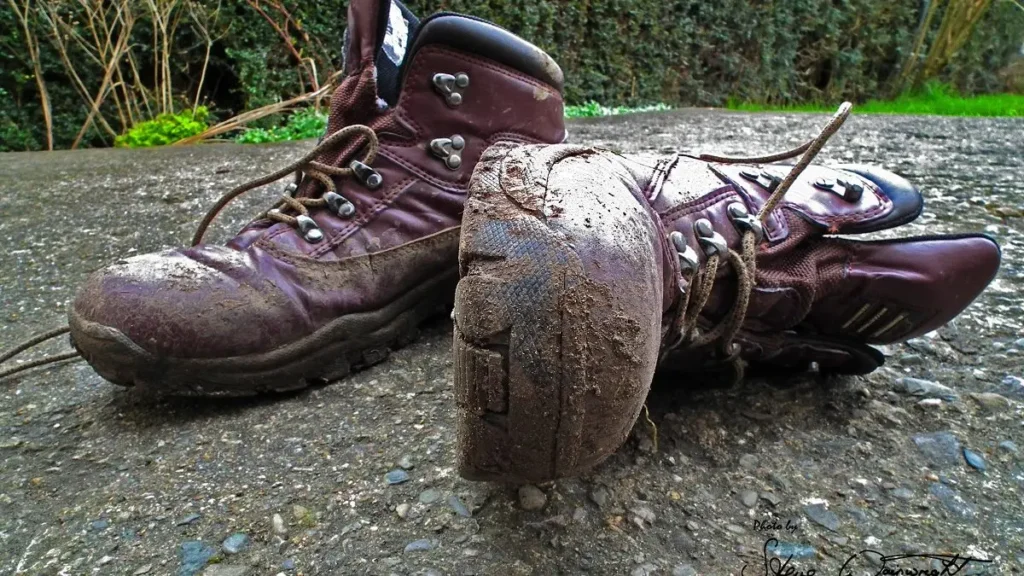
Do I Need Hiking Boots for Gorilla Trekking?
When planning an unforgettable adventure in Uganda’s rainforest, many travelers ask “Do I Need Hiking Boots for Gorilla Trekking?” because they want the right gear for a physically inspiring experience. Kitagata Safaris Uganda understands that every world traveler seeks clear guidance when preparing for an African safari that blends mountain forests, wildlife encounters, cultural immersion, and responsible tourism. Therefore, this safari overview sets a solid foundation for anyone who wants expert insight into the entire gorilla trekking preparation process, including packing lists, local terrain descriptions, permit information, combination itinerary options, and cultural experiences around different lodges.
Mountain gorilla trekking in Uganda invites adventurers to move through thick jungle, rolling hills, and uneven slopes in Bwindi Impenetrable Forest or Mgahinga Gorilla National Park. These protected habitats host thriving gorilla families, rich vegetation, and landscapes that change dramatically depending on the season. Consequently, this environment requires proper footwear because every step shapes your comfort and safety. Kitagata Safaris Uganda uses decades of regional experience to guide guests through these terrains
Why Footwear Matters — Terrain, Weather, and Trail Conditions
Many travelers planning a once-in-a-lifetime gorilla trek want to understand the terrain before asking “Do I Need Hiking Boots for Gorilla Trekking?” because the environment shapes the entire experience. Gorilla trekking routes run through the volcanic slopes and ancient forests of Uganda where dense vegetation, thick tangles of climbers, and slippery leaf litter dominate most trails. Furthermore, the rainforest receives frequent rainfall, even during drier months, and this moisture often turns paths muddy, steep, or uneven.
Understanding Weather Shifts During Gorilla Trekking
Weather in Uganda’s gorilla parks changes rapidly. Sunshine may warm the forest canopy one moment, and mist may roll over the ridges soon after. These quick transitions add character to the experience, yet they also require careful preparation. Kitagata Safaris Uganda always encourages guests to choose waterproof hiking boots because wet conditions might challenge hikers who use sneakers, sandals, or lightweight walking shoes. Consequently, strong boots help you focus on the thrilling journey rather than the discomfort of soaked feet or slippery soles.
Elevation and Trail Difficulties
The rugged terrain sometimes leads trekkers across steep slopes that rise above 2,000 meters. In such areas, proper boots offer crucial traction that prevents unnecessary fatigue. Many guests initially underestimate the difficulty of these trails, which is why Kitagata Safaris Uganda explains this detail in every briefing session.
This deeper understanding of terrain and weather prepares guests for a safe and enjoyable jungle adventure, supported by Kitagata Safaris Uganda’s expertise and long-standing commitment to helping global travelers embrace East Africa’s natural beauty.
Expert Packing Guidance — Preparing for Gorilla Trekking With Confidence
Every traveler who asks “Do I Need Hiking Boots for Gorilla Trekking?” usually wants broader packing guidance for a smooth, comfortable experience. Kitagata Safaris Uganda provides detailed preparation checklists that ensure guests feel fully equipped for the conditions inside Bwindi Impenetrable Forest and Mgahinga Gorilla National Park. Packing well improves mobility, comfort, and stamina during the trek. It also deepens your connection with the environment because you move with confidence through each step of the adventure.
Essential Hiking Gear Beyond Boots
Although hiking boots answer the key question, additional gear strengthens the overall experience. Travelers benefit from breathable long-sleeved shirts, durable trousers, lightweight rain jackets, gardening gloves for gripping vegetation, and a small backpack for water and snacks. These items create a protective layer between the hiker and the natural environment, reducing irritation from nettles, branches, or insects. When combined with reliable boots, this gear prepares trekkers for unexpected trail conditions.
Choosing the Right Hiking Boots
Travelers should choose boots with ankle support, cushioned soles, good treads, and waterproof material. Kitagata Safaris Uganda helps guests find affordable yet high-quality options that fit well and feel comfortable during long hikes. Because gorilla trekking often lasts between two and six hours, or sometimes longer, comfortable boots prevent blisters and muscle strain.
Staying Hydrated and Energized
Guests should also pack reusable water bottles and high-energy snacks. Uganda’s tropical climate encourages steady hydration because the forest humidity often elevates fatigue. Kitagata Safaris Uganda reminds guests to take short breaks, maintain a comfortable pace, and enjoy the forest views as they move toward the gorilla family.
By exploring packing essentials in detail, travelers learn that the right gear elevates comfort, safety, and enjoyment throughout this world-class wildlife experience.
What to Expect During the Trek — A Step-by-Step Experience Description
Travelers often ask “Do I Need Hiking Boots for Gorilla Trekking?” because they want to understand the physical demands and emotional highlights of the trek. Kitagata Safaris Uganda provides a comprehensive explanation of what to expect so guests feel fully prepared before entering the rainforest. Gorilla trekking offers unpredictability, excitement, and deep connection with nature. The adventure begins early in the morning when travelers gather at the park headquarters for a full orientation session led by experienced rangers and guides.
Briefing and Group Allocation
The trekking day starts with a detailed briefing where experts explain gorilla behavior, safety guidelines, trail conditions, and conservation principles. Guests also learn how to move respectfully in gorilla territory. Afterward, participants join groups of eight, each assigned to a specific gorilla family.
Journey Into the Forest
Groups then follow a dusty or wet trail, depending on the weather. Trekkers move through thick undergrowth, climb natural steps, and cross streams hidden beneath layers of vegetation. The forest sounds grow louder as birds, insects, and primates transform the environment into a natural symphony. This journey offers constant excitement, with guides cutting paths using machetes when necessary. The hiking boots become reliable companions during these unpredictable shifts.
The Gorilla Encounter
Eventually, trackers locate the gorilla family. Guests approach slowly, maintain a respectful distance, and enjoy a magical hour observing feeding, grooming, playing, and resting behaviors. Many travelers describe this hour as one of the most meaningful wildlife experiences in the world. Kitagata Safaris Uganda ensures that each guest enjoys clear camera angles, safe space, and personalized guidance during the encounter.
Understanding what to expect reduces anxiety, increases confidence, and encourages travelers to appreciate every step of this extraordinary journey.
Permit Fees, Booking Process, and Value for Money
Another common question that appears alongside “Do I Need Hiking Boots for Gorilla Trekking?” concerns permit costs and booking procedures. Kitagata Safaris Uganda provides transparent information because proper planning ensures that guests secure permits on time and understand their value. Gorilla trekking permits regulate conservation, protect gorilla families, fund community programs, and maintain park infrastructure.
Current Permit Costs
Uganda Wildlife Authority determines permit prices, and these fees change over time. Travelers should contact Kitagata Safaris Uganda for updated pricing because early booking guarantees availability. Travelers often ask “How much is the permit?” during initial planning, and Kitagata Safaris Uganda responds with clear breakdowns, including seasonal variations.
Why Permits Matter
Permit fees support ranger salaries, veterinary care for gorillas, community development, trail maintenance, and anti-poaching patrols. Therefore, every traveler contributes directly to conservation efforts.
Booking Early With Kitagata Safaris Uganda
Permits sell out quickly, especially during peak seasons. Kitagata Safaris Uganda helps secure permits months in advance, organizes transport, arranges lodge stays, and provides preparation guidance. This seamless support allows global travelers to focus on the excitement of their upcoming adventure.
This section strengthens traveler confidence and emphasizes the importance of proper planning before entering Uganda’s ancient rainforests.
Cultural Experiences Around Safari Lodges — Immersion Beyond the Trek
Travelers who ask “Do I Need Hiking Boots for Gorilla Trekking?” also want to know what cultural activities await them around the lodges. Kitagata Safaris Uganda encourages guests to explore community experiences that highlight local traditions, music, cuisine, and crafts. These cultural interactions enrich the gorilla trekking journey by allowing travelers to connect with Ugandan heritage.
Traditional Dance Performances
Several lodges offer evening dance showcases led by local community groups. These performances introduce visitors to the rhythms, movements, and storytelling traditions of the Bakiga and Batwa cultures. Guests enjoy high-energy dances while learning about historical themes expressed through music and movement.
Batwa Community Visits
The Batwa people once lived inside the forests where mountain gorillas thrive today. Community visits allow travelers to meet Batwa families, listen to forest survival stories, and witness traditional crafts and dances. These visits offer meaningful cultural exchange and support community empowerment programs.
Local Cuisine and Crafts
Travelers also enjoy cooking demonstrations featuring banana dishes, millet bread, roasted goat, and local vegetables. Craft markets near the lodges sell baskets, beadwork, and wood carvings. Guests who consider “Do I Need Hiking Boots for Gorilla Trekking?” can extend their itinerary to include these cultural experiences through Kitagata Safaris Uganda’s guidance.
This cultural immersion strengthens your connection with Uganda’s people and landscape, offering a balanced safari experience shaped by wildlife, nature, and heritage.
Why Choose Kitagata Safaris Uganda? — Experience and Reliability
Many travelers begin their research with the question “Do I Need Hiking Boots for Gorilla Trekking?” and eventually ask “Why choose Kitagata Safaris Uganda?” The answer lies in the company’s long-standing experience, deep regional knowledge, and commitment to ethical tourism. Kitagata Safaris Uganda combines expertise, trustworthiness, and personalized service to create memorable travel experiences for every guest.
Local Expertise With International Standards
Kitagata Safaris Uganda employs knowledgeable guides who understand gorilla behavior, terrain conditions, and conservation practices. These guides offer constant support during the trek and provide accurate information about East Africa’s ecosystems. With a strong understanding of global travel expectations, the company delivers seamless logistics and exceptional hospitality.
Commitment to Safety and Comfort
The question “Do I Need Hiking Boots for Gorilla Trekking?” demonstrates that travelers value safety. Kitagata Safaris Uganda emphasizes responsible travel, high-quality gear recommendations, and clear safety briefings. Guides monitor group pace, trail conditions, and guest comfort throughout the adventure.
Tailored Safaris for All Travelers
The safari packages accommodate families, solo travelers, honeymooners, wildlife photographers, and adventure enthusiasts. Every itinerary adapts to the traveler’s interests, time frame, and energy level. Kitagata Safaris Uganda’s personalized approach strengthens trust and ensures memorable journeys.
This dedication to excellence makes Kitagata Safaris Uganda a dependable partner for anyone exploring East Africa’s landscapes.
Can I Combine Chimpanzee Tracking With Gorilla Trekking?
Many travelers who ask “Do I Need Hiking Boots for Gorilla Trekking?” also wonder if they can combine their trek with chimpanzee tracking. Kitagata Safaris Uganda recommends pairing these experiences because they offer different primate encounters that enrich the overall safari.
Why Combine Both Activities?
Chimpanzees live in habitats such as Kibale Forest, Kyambura Gorge, and Budongo Forest. Observing chimps introduces travelers to fast-moving primates with complex behaviors and loud vocalizations. Gorilla trekking, on the other hand, highlights gentle giants that move slowly and display calm interactions. This contrast creates a balanced primate safari experience.
Logistics and Itinerary Planning
Kitagata Safaris Uganda helps travelers arrange transportation, park entries, accommodation stays, and activity schedules. The company ensures that each segment flows smoothly, allowing guests to enjoy each moment without stress. Trekkers who asked “Do I Need Hiking Boots for Gorilla Trekking?” often extend their trips once they realize how easy and rewarding a combination itinerary can be.
Permit Details
Chimpanzee tracking also requires permits, and costs vary by location. Kitagata Safaris Uganda assists with securing these permits early to maintain flexibility in itinerary design. Combining both treks gives travelers deeper insight into Uganda’s primate diversity and enhances their appreciation of wildlife conservation.
Other Safaris in East Africa — Expanding Your Adventure Beyond Gorillas
Travelers who start with the question “Do I Need Hiking Boots for Gorilla Trekking?” sometimes discover that East Africa offers far more than primate experiences. Kitagata Safaris Uganda helps travelers explore additional destinations across Uganda, Kenya, Tanzania, and Rwanda.
In Uganda
Guests may visit Queen Elizabeth National Park for tree-climbing lions, Murchison Falls for dramatic landscapes, or Kidepo Valley for remote wilderness. These add-on excursions allow travelers to combine wildlife, culture, and scenic beauty.
Kenya and Tanzania
Kenya’s Masai Mara and Tanzania’s Serengeti welcome travelers into the Great Migration, one of the world’s most spectacular wildlife events. Visitors also enjoy the Ngorongoro Crater, Amboseli National Park, and Lake Manyara. These destinations offer classic safari moments filled with lions, elephants, wildebeest, zebras, and cheetahs.
Rwanda
Rwanda offers gorilla trekking in Volcanoes National Park, combined with golden monkey tracking and Kigali city tours. Many travelers pair Uganda and Rwanda safaris for a varied regional experience.
Because Kitagata Safaris Uganda organizes multi-country itineraries, travelers move confidently across East Africa while enjoying unmatched hospitality and expert support.
