
What Should You Bring for Communities During Your Cultural Safari Experience?
March 7, 2026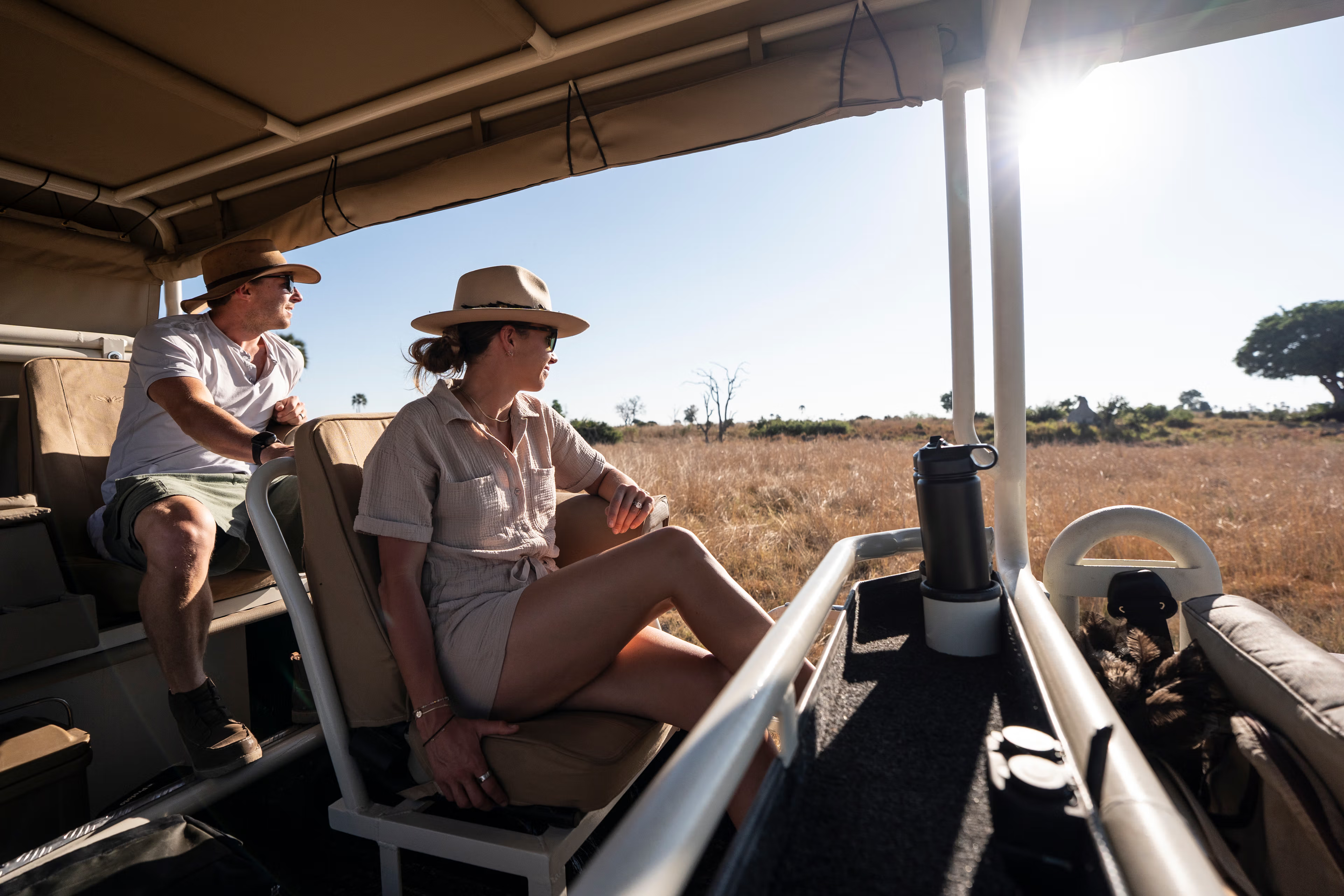
What Should I Wear or Bring for a Meaningful Cultural Experience?
March 9, 2026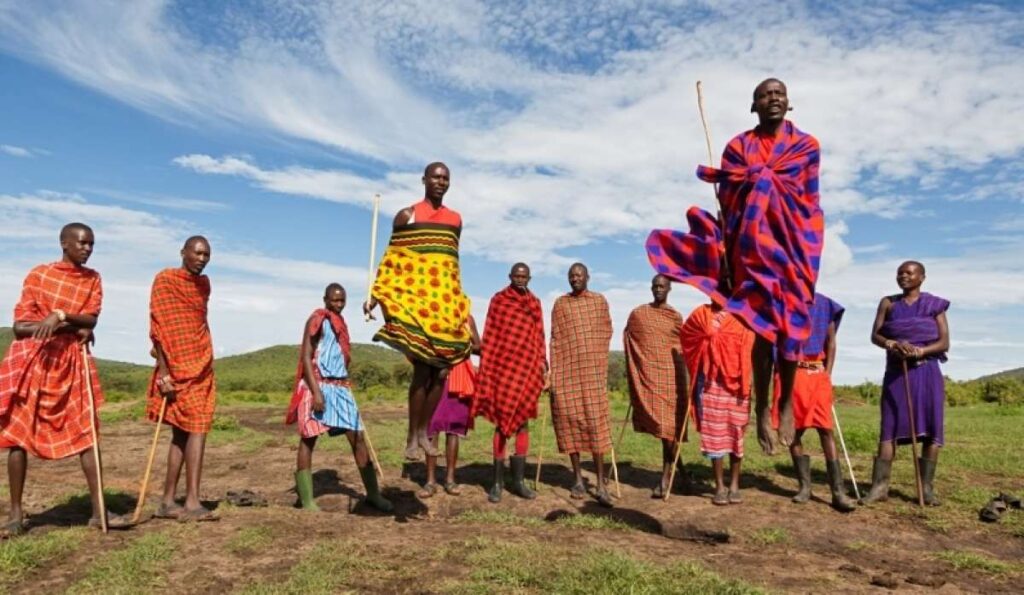
Discover Authentic Traditions with Kitagata Safaris Uganda
Tanzania Cultural Safaris create meaningful connections between travelers and the living traditions of East Africa. These journeys introduce visitors to communities that preserve ancient lifestyles, social values, and cultural heritage. Many travelers visit Tanzania for wildlife and landscapes. However, cultural encounters offer deeper understanding of African identity and history. Tanzania holds more than 120 ethnic groups. Each group protects unique traditions, languages, crafts, and ceremonies.
Tanzania Cultural Safaris allow guests to meet people who still follow ancestral ways of life. These experiences occur in villages, homesteads, and cultural centers across the country. Travelers engage directly with communities instead of observing from a distance. Visitors learn about traditional livestock keeping, hunting skills, craft production, and community leadership systems. Cultural interactions create respect and mutual learning between hosts and travelers.
Many of the most remarkable Tanzania Cultural Safaris take place near the Ngorongoro Conservation Area and Lake Eyasi. These regions host iconic communities such as the Maasai, Hadzabe, and Datoga people. Each group offers a distinct cultural experience. Their lifestyles reflect strong connections with land, animals, and nature.
Kitagata Safaris Uganda designs responsible Tanzania Cultural Safaris that promote ethical tourism and community empowerment. The company partners with local communities to ensure tourism benefits reach families and cultural guardians. Travelers gain authentic cultural knowledge while communities preserve heritage for future generations.
Visiting the Maasai, Hadzabe, and Datoga Communities
Tanzania Cultural Safaris focus on authentic interactions with indigenous communities that maintain centuries-old traditions. The Maasai, Hadzabe, and Datoga stand among the most fascinating cultural groups in East Africa. These communities preserve unique ways of life despite modern changes across Africa.
Travelers exploring Tanzania Cultural Safaris often visit villages near Lake Eyasi and the Ngorongoro Highlands. These regions provide accessible cultural landscapes and breathtaking scenery. The presence of several ethnic groups in one region creates extraordinary cultural diversity. Visitors learn about pastoralism, hunting traditions, and artisan craftsmanship during the same journey.
Kitagata Safaris Uganda organizes immersive Tanzania Cultural Safaris that prioritize respectful engagement. Visitors spend time listening, learning, and participating in daily activities. Cultural tourism encourages travelers to value local wisdom and community resilience. Such experiences strengthen appreciation for African cultures beyond wildlife photography.
These cultural visits also support conservation. Many communities protect landscapes that support wildlife corridors and traditional grazing areas. Tourism income encourages communities to protect ecosystems and cultural heritage together.
The Maasai demonstrate pastoral knowledge built around cattle and grazing lands. The Hadzabe represent one of the last hunter-gatherer societies in Africa. The Datoga maintain remarkable metalworking traditions and farming skills.
Tanzania Cultural Safaris create opportunities to explore all three cultures within a single travel itinerary. Travelers return home with knowledge that transforms their understanding of Africa’s cultural diversity.
The Maasai People: Iconic Cultural Guardians of East Africa
The Maasai remain one of the most recognized communities encountered during Tanzania Cultural Safaris. Their vibrant clothing, elaborate beadwork, and pastoral lifestyle attract global curiosity. The Maasai inhabit northern Tanzania and southern Kenya. Their communities spread across the Serengeti plains and Ngorongoro Highlands.
Tanzania Cultural Safaris often introduce travelers to Maasai villages known locally as “manyattas.” These settlements consist of circular homesteads built with natural materials. Families construct houses using mud, wood, grass, and cow dung. The design protects households from weather and predators.
Cattle play a central role in Maasai life. Livestock represent wealth, food security, and social status. Visitors on Tanzania Cultural Safaris learn how Maasai herders manage grazing across seasonal landscapes. Elders guide cattle movement based on rainfall patterns and pasture availability.
Cultural visits also showcase traditional dances and warrior ceremonies. Young Maasai warriors perform jumping dances called “Adumu.” These performances symbolize strength, courage, and community pride.
Maasai women produce intricate bead jewelry using bright colors and geometric patterns. Guests exploring Tanzania Cultural Safaris often participate in beadwork workshops. These activities support local women’s cooperatives and preserve artistic heritage.
Community storytelling forms another highlight. Elders explain Maasai history, social systems, and spiritual beliefs connected to nature. Such interactions enrich the educational value of Tanzania Cultural Safaris.
Travelers leave Maasai villages with deeper respect for pastoral cultures that maintain harmony between livestock, wildlife, and the environment.
Experiencing One of Africa’s Last Hunter-Gatherer Cultures
The Hadzabe people represent one of the most unique highlights of Tanzania Cultural Safaris. This small community lives around Lake Eyasi in northern Tanzania. Their lifestyle reflects ancient hunter-gatherer traditions that date back thousands of years.
Visitors on Tanzania Cultural Safaris sometimes join Hadzabe hunters during early morning expeditions. Hunters carry bows and poison-tipped arrows crafted using traditional knowledge. They track animals and birds through bush landscapes with impressive skill.
The Hadzabe depend on natural resources for survival. Wild fruits, tubers, honey, and small game form their daily diet. Guides explain how the community identifies edible plants and medicinal herbs during Tanzania Cultural Safaris.
Language also fascinates many visitors. The Hadzabe language uses clicking sounds similar to southern African languages. Listening to conversations reveals linguistic diversity rarely encountered elsewhere in East Africa.
Campfire storytelling offers another powerful moment. Elders describe ancestral traditions, hunting strategies, and seasonal movements. These narratives strengthen cultural identity and pass knowledge to younger generations.
Participating in Tanzania Cultural Safaris with the Hadzabe encourages cultural preservation. Responsible tourism provides income that supports community well-being. At the same time, the Hadzabe maintain control over their cultural representation.
This experience often becomes the most memorable part of Tanzania Cultural Safaris. Travelers gain insight into humanity’s earliest lifestyles and survival skills.
Skilled Metalworkers of Northern Tanzania
The Datoga people add another fascinating dimension to Tanzania Cultural Safaris. This pastoral and agricultural community lives around Lake Eyasi and the Ngorongoro region. The Datoga maintain remarkable blacksmithing traditions passed through generations.
Visitors on Tanzania Cultural Safaris frequently observe Datoga artisans crafting tools and jewelry from recycled metals. Blacksmiths transform scrap metal into spearheads, knives, and arrow tips. The process requires intense heat, skillful hammering, and creative design.
Women play a strong role in Datoga culture. They wear distinctive facial markings and decorative jewelry that symbolize identity and beauty. Travelers often learn about traditional dress codes and social customs during Tanzania Cultural Safaris.
The Datoga also practice livestock herding and small-scale farming. Crops such as maize, beans, and sorghum sustain local households. Visitors witness how agriculture and livestock complement each other in rural livelihoods.
Cultural exchanges allow travelers to purchase handcrafted jewelry directly from artisans. These purchases support local families and preserve metalworking traditions.
Tanzania Cultural Safaris highlight how craftsmanship connects communities to economic opportunities and cultural pride. Datoga artisans demonstrate creativity and resilience within changing social environments.
Many travelers appreciate the contrast between Datoga craftsmanship and Hadzabe hunting culture. These differences reveal the remarkable cultural diversity found in northern Tanzania.
What Are the Best Places in Tanzania for Tanzania Cultural Safaris?
Northern Tanzania offers the most rewarding destinations for Tanzania Cultural Safaris. Several regions combine cultural diversity with spectacular landscapes and wildlife.
Lake Eyasi stands as a prime destination for community visits. The lake lies southwest of the Ngorongoro Highlands. This area hosts both Hadzabe hunter-gatherers and Datoga pastoralists. Travelers exploring Tanzania Cultural Safaris enjoy cultural encounters within dramatic Rift Valley scenery.
The Ngorongoro Conservation Area provides another exceptional location. Maasai communities live within this protected ecosystem alongside wildlife. Visitors experience both wildlife viewing and cultural interaction during Tanzania Cultural Safaris.
Mto wa Mbu cultural village offers a multi-tribal experience. More than 120 ethnic groups live in this small community. Travelers learn about banana farming, traditional cooking, and craft production.
Arusha region also supports vibrant cultural tourism. Several community initiatives invite guests to explore farming, coffee production, and village life.
These locations allow Tanzania Cultural Safaris to blend wildlife exploration with meaningful cultural immersion. Visitors gain a broader understanding of Tanzanian society.
Kitagata Safaris Uganda designs itineraries that combine these destinations efficiently. Guests travel comfortably while experiencing authentic cultural encounters across northern Tanzania.
What Are the Accommodations During Tanzania Cultural Safaris?
Comfortable accommodations enhance the overall experience of Tanzania Cultural Safaris. Travelers can stay in eco-lodges, safari camps, and boutique cultural retreats near cultural communities.
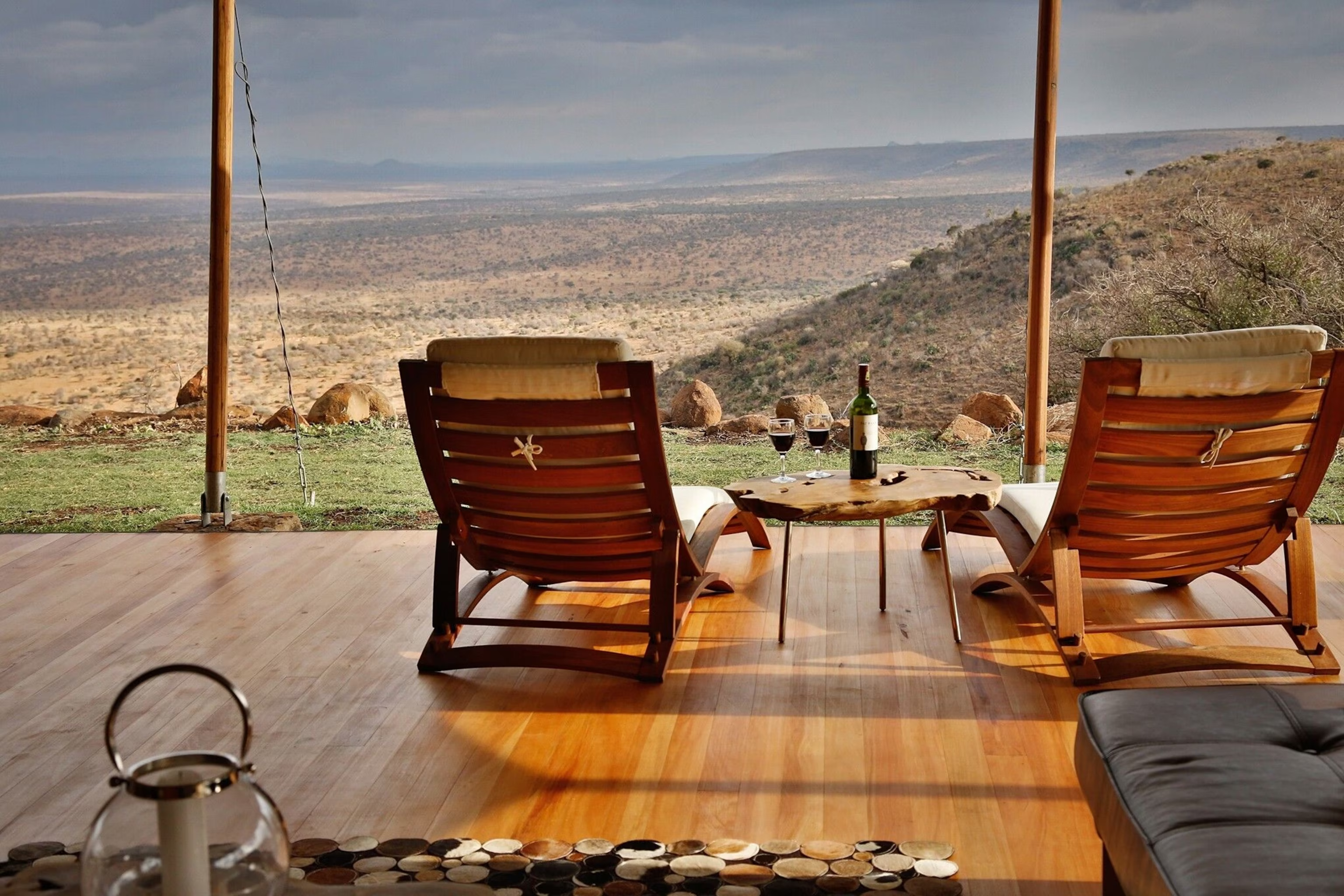
Lodges around Lake Eyasi offer intimate settings with views of the Rift Valley landscape. Guests relax in peaceful environments after cultural excursions. Many lodges support local employment and sustainable tourism practices.
Ngorongoro lodges provide luxurious comfort while maintaining proximity to Maasai communities. Travelers enjoy panoramic views of volcanic highlands and wildlife habitats.
Several cultural lodges organize community activities such as cooking classes, storytelling evenings, and craft workshops. These experiences enrich Tanzania Cultural Safaris beyond daytime visits.
Many accommodations also arrange guided walks through nearby villages. Guests explore farms, markets, and cultural centers with knowledgeable local guides.
Kitagata Safaris Uganda selects accommodations that align with responsible tourism principles. The company partners with lodges that support community projects and environmental conservation.
Quality lodging ensures travelers experience both comfort and cultural immersion during Tanzania Cultural Safaris.
What Can I Pack for Tanzania Cultural Safaris?
Preparing properly improves the enjoyment of Tanzania Cultural Safaris. Travelers should pack practical items that respect cultural environments and changing weather conditions.
Lightweight clothing works best for warm daytime temperatures. Neutral colors help visitors blend naturally into rural landscapes. Long sleeves and trousers protect against sun exposure and insects.
Comfortable walking shoes support village visits and cultural walks. Many Tanzania Cultural Safaris include short hikes across uneven terrain.
A camera remains essential for documenting cultural experiences. Travelers should request permission before photographing community members.
Reusable water bottles help reduce plastic waste during Tanzania Cultural Safaris. Responsible travelers prioritize sustainability during cultural visits.
Small gifts such as school supplies sometimes support community schools. However, organized community contributions through tour operators remain the most ethical approach.
Sunscreen, hats, and insect repellent provide additional comfort. Early morning cultural activities often require warm layers due to cooler temperatures.
Thoughtful packing helps travelers enjoy immersive Tanzania Cultural Safaris while respecting local customs and environments.
How Much Are the Permits for Tanzania Cultural Safaris?
Many cultural visits during Tanzania Cultural Safaris require small community fees. These contributions support village projects, guide services, and cultural preservation.
Fees vary depending on location and activity. Hadzabe hunting experiences often include guiding fees that support hunter groups. Maasai village visits also require entrance contributions that benefit community leaders and families.
Datoga craft demonstrations sometimes include workshop fees or craft purchases. These payments encourage artisans to maintain traditional skills.
Kitagata Safaris Uganda manages these arrangements transparently. Travelers receive clear explanations about cultural fees before the safari begins.
Responsible tourism ensures communities benefit fairly from Tanzania Cultural Safaris. Visitors support education, healthcare, and infrastructure through tourism revenue.
Understanding permit structures helps travelers appreciate the value of cultural experiences.
Can I Combine Uganda Cultural Safaris with Tanzania Cultural Safaris?
Travelers often combine Tanzania Cultural Safaris with cultural journeys in Uganda. East Africa offers remarkable cultural diversity across neighboring countries.
Uganda provides experiences with communities such as the Batwa forest people and the Karamojong pastoralists. Combining destinations allows travelers to compare different cultural traditions across East Africa.
Kitagata Safaris Uganda specializes in multi-country itineraries. The company connects Tanzania Cultural Safaris with gorilla trekking adventures and Ugandan cultural encounters.
Travelers enjoy seamless logistics between countries. Flights and border transfers remain well organized.
A combined safari delivers deeper understanding of African heritage. Guests explore wildlife, landscapes, and communities across multiple regions.
Such journeys highlight the cultural richness of East Africa while maximizing travel experiences.
What Does Kitagata Safaris Uganda Offer You on a Tanzania Cultural Safaris?
Kitagata Safaris Uganda delivers expertly designed Tanzania Cultural Safaris built on ethical tourism and authentic engagement. The company prioritizes respectful interactions between travelers and local communities.
Experienced guides interpret cultural traditions and historical contexts. Visitors gain deeper understanding beyond surface tourism.
Customized itineraries allow guests to explore Maasai villages, Hadzabe hunting grounds, and Datoga artisan communities. Travelers participate in daily activities that reveal authentic cultural lifestyles.
Kitagata Safaris Uganda collaborates directly with community leaders. These partnerships ensure tourism supports cultural preservation and economic development.
Guests also enjoy comfortable transportation, professional guides, and carefully selected accommodations.
Each Tanzania Cultural Safaris itinerary reflects the company’s commitment to cultural education and sustainable tourism.
Why Choose Kitagata Safaris Uganda for Your Tanzania Cultural Safaris?
Kitagata Safaris Uganda stands among the trusted operators offering meaningful Tanzania Cultural Safaris. The company emphasizes responsible tourism, cultural respect, and authentic experiences.
Years of experience in East African tourism strengthen the company’s reputation. Travelers receive professional planning and knowledgeable guidance throughout the journey.
Kitagata Safaris Uganda supports local communities by directing tourism benefits toward village initiatives. This approach builds long-term partnerships with cultural groups.
The company also ensures travelers enjoy safe, comfortable, and educational experiences. Every Tanzania Cultural Safaris itinerary reflects dedication to quality service and cultural authenticity.
Travelers who choose Kitagata Safaris Uganda discover the true spirit of Africa. Cultural knowledge, human connection, and unforgettable memories define each safari.
