What’re the Top Uganda Safari Experiences?
April 1, 2026
What’s the Best Time for Birdwatching in Uganda?
April 2, 2026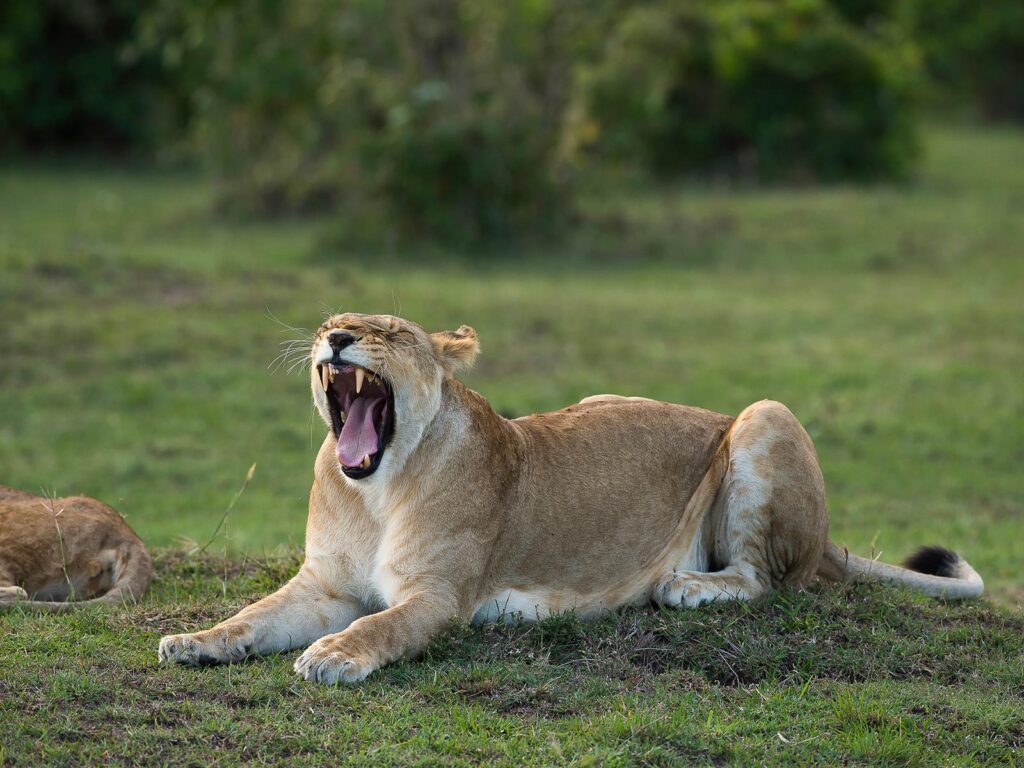
Can I See the Big Five in Uganda?
Can I see the Big Five in Uganda? This question shapes expectations and influences how travelers design their safari with Kitagata Safaris Uganda. Uganda stands as one of Africa’s most diverse safari destinations, offering both classic wildlife encounters and unique primate experiences. Therefore, understanding how to find the Big Five in Uganda becomes essential for building a rewarding itinerary.
The Big Five include lion, leopard, elephant, buffalo, and rhino. Uganda offers all five species, although they live in different locations across the country. This distribution encourages travelers to explore multiple parks, which creates a richer safari experience. Additionally, Uganda’s landscapes range from savannah plains to dense forests, adding depth and variety to every journey.
Careful planning ensures that travelers can see all members of the Big Five within one trip. Combining wildlife parks with conservation areas makes this possible. Furthermore, guided safaris enhance the experience by providing expert knowledge and safe navigation.
Overview of Uganda Safari with Other Destinations
Uganda lies at the center of the region, which allows easy access to Kenya, Tanzania, and Rwanda. Therefore, many travelers combine Uganda with neighboring countries for a broader safari experience.
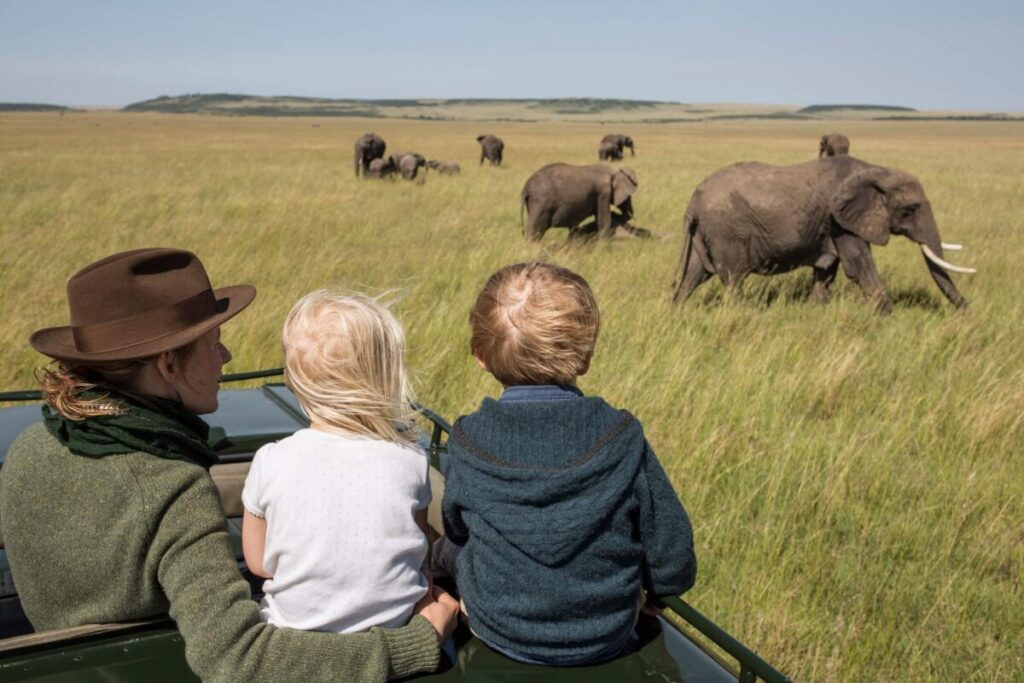
Uganda’s Big Five experience requires visiting multiple locations. Rhinos live at Ziwa Rhino Sanctuary, while lions, elephants, buffalo, and leopards roam in major national parks. Key parks include Murchison Falls National Park, Queen Elizabeth National Park, and Kidepo Valley National Park. Each park offers unique wildlife encounters and landscapes.
Additionally, combining Uganda with destinations like Kenya’s Maasai Mara or Tanzania’s Serengeti enhances wildlife diversity. Travelers can compare ecosystems and observe different animal behaviors across regions.
Multi-country safaris require careful planning, including flights and road transfers. However, professional coordination ensures smooth transitions and efficient travel.
Ultimately, Can I see the Big Five in Uganda? becomes easier to answer when travelers understand how different regions connect. With expert planning from Kitagata Safaris Uganda, visitors can enjoy a seamless and enriching safari journey.
Unique Features of Uganda Safari with Other Destinations
Uganda offers a more intimate and diverse wildlife experience than many countries. Instead of focusing only on open plains, Uganda combines forests, wetlands, and savannah landscapes.
This diversity creates a unique approach to viewing the Big Five. Travelers track rhinos on foot at Ziwa Rhino Sanctuary, which provides a close and personal encounter. Meanwhile, game drives in national parks allow visitors to observe lions, elephants, and buffalo in their natural habitats. Leopards require patience and expert guidance due to their elusive nature.
Furthermore, Uganda allows travelers to combine Big Five safaris with primate experiences. Gorilla trekking and chimpanzee tracking add depth to the journey, making Uganda stand out globally.
When combined with other destinations, Uganda complements the classic safari experience with unique wildlife interactions. For example, travelers can witness large herds in Tanzania before exploring Uganda’s forests.
Wildlife in Uganda Safari with Other Destinations
Uganda hosts a rich variety of species, making it one of Africa’s most rewarding safari destinations. However, seeing all members of the Big Five requires visiting specific locations.
Rhinos live exclusively at Ziwa Rhino Sanctuary, where guided walking safaris provide safe and close encounters. This experience allows travelers to observe rhinos in a controlled environment while supporting conservation efforts.
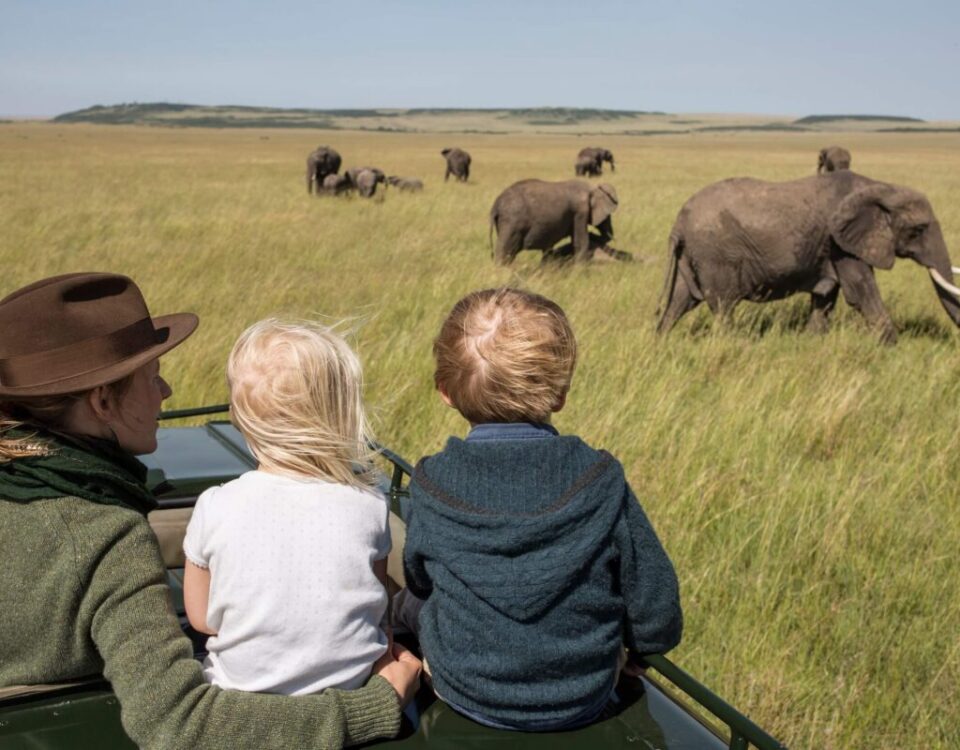
Lions, elephants, and buffalo appear frequently in savannah parks such as Murchison Falls and Queen Elizabeth National Park. These parks offer excellent game drive opportunities, especially during early morning and late afternoon.
Leopards present a greater challenge due to their secretive behavior. However, experienced guides increase the chances of spotting them during night drives or quiet game drives.
When combined with other destinations, wildlife diversity expands significantly. Travelers can experience the Big Five in different environments across East Africa.
Activities in Uganda Safari with Other Destinations
Exploring Can I see the Big Five in Uganda? involves understanding the activities that make wildlife viewing possible. Uganda offers a variety of safari activities that enhance the chances of seeing the Big Five.
Game drives remain the primary activity for spotting lions, elephants, buffalo, and leopards. These drives take place in open savannah parks and provide excellent viewing opportunities. Experienced guides use their knowledge to track animals and position vehicles strategically.
Walking safaris at Ziwa Rhino Sanctuary allow travelers to observe rhinos on foot. This activity creates a unique and immersive experience that differs from traditional game drives.
Boat safaris also contribute to wildlife viewing. For example, cruises along the Nile River or Kazinga Channel offer close encounters with elephants, buffalo, and other animals near water sources.
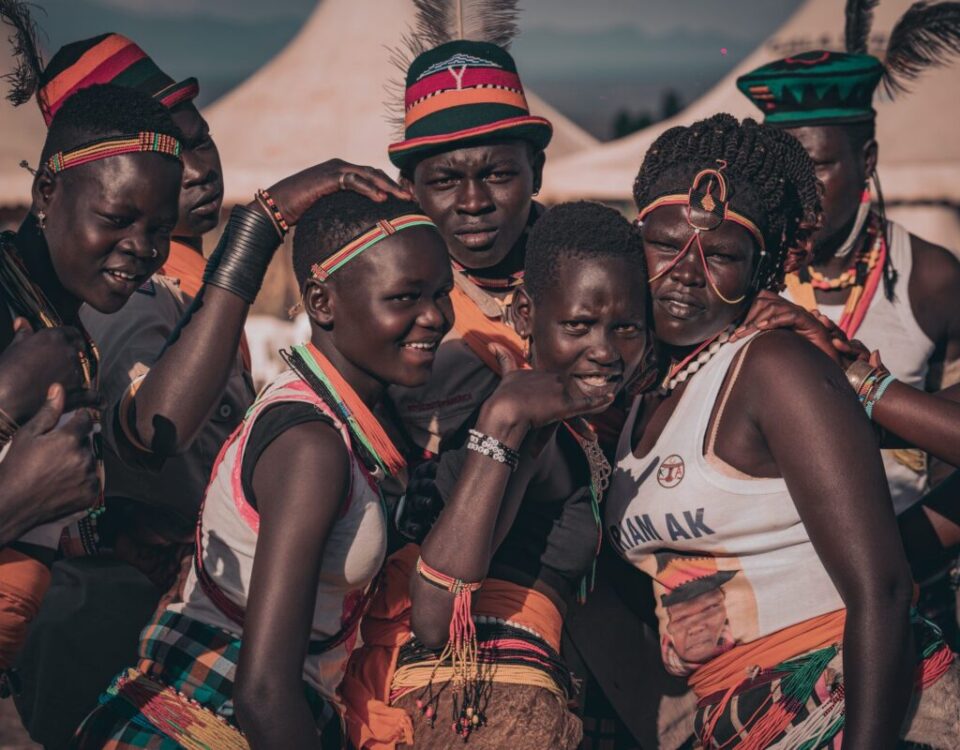
Additionally, cultural experiences enrich the safari journey. Visitors can interact with local communities, participate in traditional dances, and explore village life near safari lodges. These activities create meaningful connections and enhance the overall experience.
Conservation and Challenges
Uganda prioritizes wildlife protection and sustainable tourism practices. These efforts ensure the survival of the Big Five for future generations.
Rhino conservation stands as a major success story. Ziwa Rhino Sanctuary plays a crucial role in reintroducing rhinos to Uganda after years of absence. Visitors support this initiative through tourism activities.
National parks also implement strict regulations to protect wildlife habitats. Controlled visitor numbers and designated routes help minimize environmental impact.
However, challenges still exist. Habitat loss and human-wildlife conflict affect animal populations. Climate change also influences ecosystems and migration patterns.
Travelers can contribute positively by choosing responsible operators and eco-friendly accommodations. Supporting conservation initiatives strengthens wildlife protection efforts.
Getting to Uganda Safari with Other Destinations
Most visitors arrive through Entebbe International Airport, which connects Uganda to global destinations. From there, travelers access safari parks through road or air transport.
Road travel offers flexibility and scenic views, making it a popular choice for safaris. Professional safari vehicles ensure comfort and safety across varying terrains. However, domestic flights provide faster access to remote parks, reducing travel time significantly.
Travelers who combine Uganda with other destinations often use regional flights. These connections allow seamless travel between countries and enhance the overall safari experience.
Proper planning ensures efficient movement between parks and maximizes wildlife viewing time. Experienced tour operators handle logistics, including permits and transportation arrangements.
Accommodation in Uganda Safari with Other Destinations
Accommodation plays a significant role in shaping Can I see the Big Five in Uganda? Uganda offers a wide range of lodges that cater to different budgets and preferences. These accommodations provide comfort while maintaining close proximity to wildlife areas.
Luxury lodges offer premium services, stunning views, and personalized experiences. Mid-range and budget options provide excellent value without compromising comfort. Most lodges sit near national parks, which allows easy access to game drives and other activities.
Cultural experiences around safari lodges enhance the journey significantly. Visitors can enjoy traditional dance performances, storytelling sessions, and local cuisine preparation. Guided village visits also provide insight into daily life and traditions.
When combining Uganda with other destinations, accommodation planning ensures consistency and convenience throughout the trip.
Best Time to Visit Uganda Safari with Other Destinations
Timing plays a crucial role in answering Can I see the Big Five in Uganda? Uganda offers year-round safari opportunities, but certain seasons provide better conditions for wildlife viewing.
The dry seasons, from June to September and December to February, offer the best opportunities to see the Big Five. Animals gather around water sources, which makes sightings easier. Roads also remain accessible, ensuring smooth travel.
The wet seasons bring lush landscapes and fewer crowds. However, some roads become challenging to navigate. Despite this, wildlife viewing remains rewarding, especially for birdwatchers.
Travelers who combine Uganda with other destinations must consider seasonal variations across regions. Proper planning ensures the best possible experience in each location.
Conclusion: Can I See the Big Five in Uganda and Create a Complete Safari Experience?
Every traveler who asks Can I see the Big Five in Uganda? seeks a complete and memorable safari experience. Uganda delivers this opportunity through its diverse landscapes and rich wildlife. Although the Big Five do not exist in one single park, travelers can see all five species by visiting multiple destinations.
Combining Ziwa Rhino Sanctuary with major national parks ensures a full Big Five experience. Additionally, integrating Uganda with other East African destinations enhances the journey further.
Careful planning and expert guidance ensure smooth travel and maximize wildlife encounters. Kitagata Safaris Uganda provides the knowledge and support needed to create exceptional safari experiences.
Ultimately, Can I see the Big Five in Uganda? represents more than a simple question. It reflects a journey filled with adventure, discovery, and meaningful connections with nature.