How Fit Do You Need to Be to Go Gorilla Trekking? A Comprehensive Guide by Kitagata Safaris Uganda
The Strategic Overview of Gorilla Trekking Physical Readiness: A Premier Safari Introduction
Embarking on a journey to meet mountain gorillas represents the ultimate pinnacle of African wildlife adventures. Many travelers ask, “How fit do you need to be to go gorilla trekking?” as they prepare for the wild. This question is vital because the encounter happens in some of the world’s most rugged, high-altitude rainforests. Unlike a standard vehicle safari, this experience requires you to navigate the terrain on your own two feet. Kitagata Safaris Uganda provides this expert guide to help you assess and improve your physical readiness for the trek. We want every guest to focus on the magic of the primates rather than the strain of the climb.
Volcanoes National Park and Bwindi Impenetrable Forest offer breathtaking beauty but present significant physical challenges to the body. When you wonder, “How fit do you need to be to go gorilla trekking?” remember that altitude plays a major role. You will hike at elevations ranging from 2,500 to 3,000 meters above sea level, where the air is noticeably thinner. This environment demands that your heart and lungs work harder than they do at lower, flatter elevations. Our team at Kitagata Safaris Uganda ensures that you have the professional support and pacing required to succeed. By understanding the physical demands now, you can train effectively and arrive in East Africa with total confidence.
What is the Detailed Overview of the Physical Demands During a Gorilla Trek?
Navigating Steep and Uneven Terrain
The most immediate challenge of the jungle is the sheer unpredictability of the forest floor under your hiking boots. If you ask, “How fit do you need to be to go gorilla trekking?” you must consider your balance. You will navigate tangled roots, slippery moss-covered rocks, and thick vines that can catch your feet unexpectedly. The paths are rarely straight or flat, often requiring you to step over fallen logs or push through brush. A moderate level of leg strength and core stability is essential for maintaining your balance on these narrow trails. Kitagata Safaris Uganda provides sturdy walking sticks to give you extra points of contact with the shifting ground.
Endurance for Long-Duration Hiking
Gorilla treks are not timed events; they last as long as it takes to find the moving primate family. When investigating, “How fit do you need to be to go gorilla trekking?” you should prepare for two to six hours. Some groups find their assigned gorilla family within forty minutes, while others may hike the entire day before contact. This unpredictability means you need sustained walking endurance to handle a potentially long day in the humid mountain air. Consistent cardio training, such as brisk walking or light jogging, prepares your cardiovascular system for this steady physical effort. Our guides at Kitagata Safaris Uganda maintain a manageable pace that respects the fitness levels of everyone in the group.
What Are the Unique Features of Trekking in Uganda Versus Rwanda?
The Impenetrable Nature of Bwindi
Uganda’s Bwindi forest is world-renowned for its dense vegetation, which gave the national park its “impenetrable” name. If you wonder, “How fit do you need to be to go gorilla trekking?” in Uganda, expect a steeper climb. The terrain in Bwindi consists of many ridges and valleys that require constant ascending and descending throughout the day. This “stairmaster” effect can be tiring for your quadriceps and calves, making leg-focused strength training a very wise investment. Kitagata Safaris Uganda specializes in selecting sectors that best match your physical capabilities to ensure a rewarding and safe experience.
The Volcanic Slopes of Rwanda
Rwanda’s Volcanoes National Park features more open bamboo forests, but the starting altitudes are often higher than in Uganda. When asking, “How fit do you need to be to go gorilla trekking?” in Rwanda, focus on your lung capacity. While the undergrowth might be slightly thinner, the steep volcanic slopes can be quite taxing on your respiratory system. The high-altitude air requires a slower, more deliberate pace to avoid altitude sickness or excessive fatigue during the ascent. We ensure that our Rwandan itineraries include enough time for your body to acclimate before you start your hike. Kitagata Safaris Uganda works with the best local rangers who understand how to pace a group at high elevations.
Which Wildlife in Gorilla Habitats Might Influence Your Trekking Pace?
Following the Lead of the Silverback
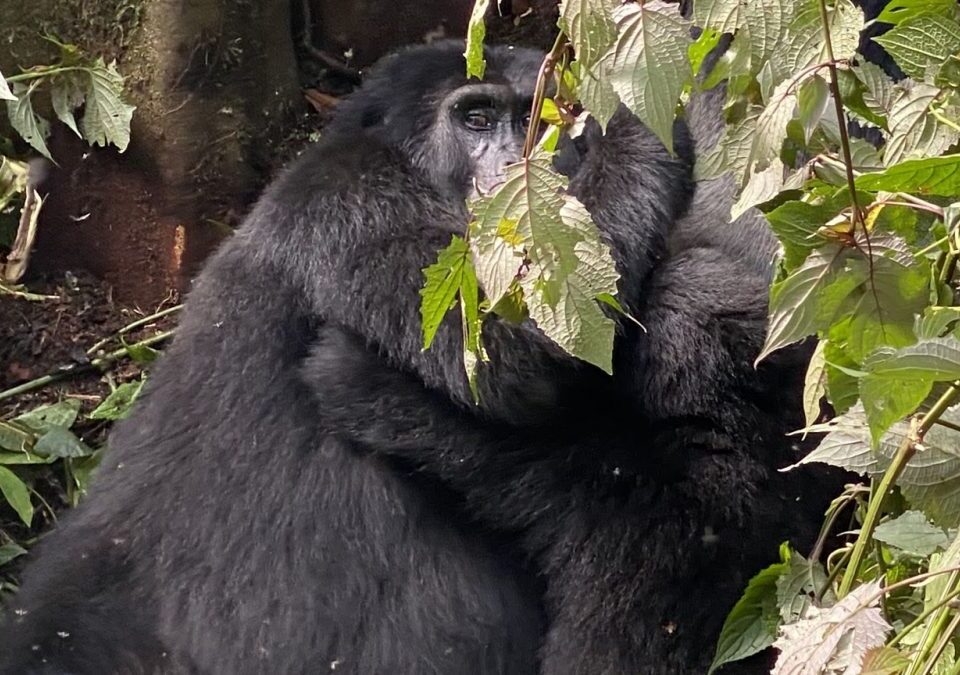
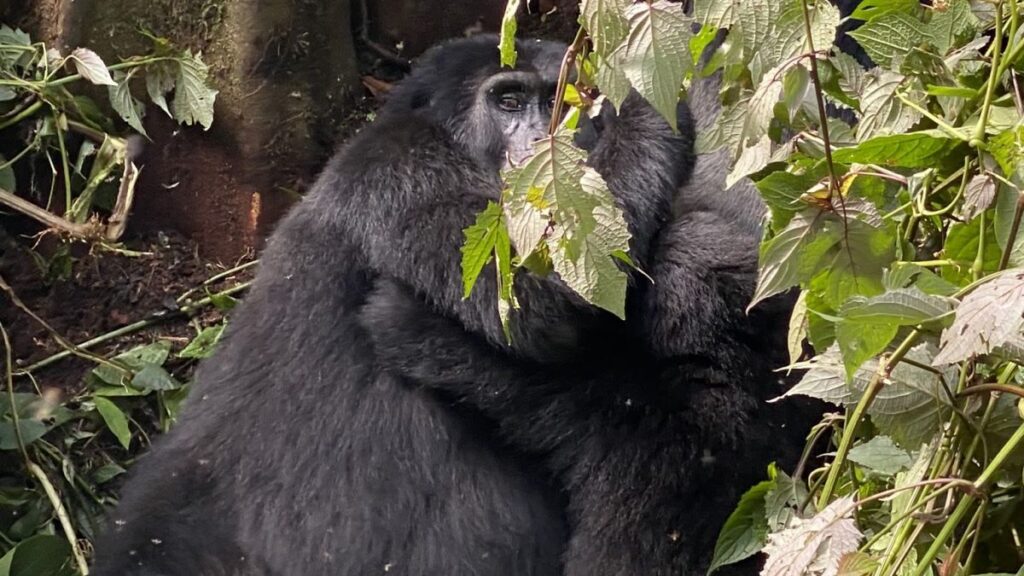
The speed of your trek depends entirely on the movement of the specific gorilla family you are tracking that morning. When you ask, “How fit do you need to be to go gorilla trekking?” remember that gorillas move for food. If a family is feeding on bamboo at the park boundary, your walk will be short and very easy. However, if the silverback decides to move deep into the forest for wild celery, you must follow their trail. These animals are surprisingly fast in the thickets, requiring the group to maintain a steady, focused pace to catch up. Kitagata Safaris Uganda employs trackers who stay with the gorillas, providing constant updates on their location to our guides.
Other Primates and Forest Mammals
You may encounter other fascinating wildlife, like the energetic Golden Monkeys, which can momentarily distract you from the main path. If you are focused on, “How fit do you need to be to go gorilla trekking?” don’t forget the monkeys. Watching these primates leap through the trees often requires quick movements and crane-like neck positions to get the best view. You might also spot forest elephants or various bird species that require you to stop and start your hike. This intermittent movement pattern can be tiring, so having good overall flexibility and agility is helpful for these moments. Our guides at Kitagata Safaris Uganda ensure these sightings enrich your journey without causing you unnecessary physical exhaustion.
What Are the Top Activities in Gorilla Regions That Require Fitness?
Volcano Climbing and Crater Hikes
Many travelers want to maximize their time in the Virunga Mountains by adding a volcano climb to their safari. When you consider, “How fit do you need to be to go gorilla trekking?” think about Mount Bisoke or Sabinyo. Climbing these peaks is significantly more demanding than a standard gorilla trek and requires a high level of aerobic fitness. These hikes can take eight hours or more and involve traversing very steep, rugged ridges and volcanic ash fields. Kitagata Safaris Uganda can integrate these challenges into your itinerary if you are looking for a true physical test. We provide the expert logistics and safety oversight needed for these high-altitude mountain expeditions in East Africa.
Community Walks and Nature Trails
For those seeking a gentler experience, the regions around the lodges offer beautiful community walks and flat nature trails. If you are still asking, “How fit do you need to be to go gorilla trekking?” start with these easier walks. You can visit local waterfalls or stroll through village gardens to see how the local people grow their crops. These activities allow you to stay active and explore the landscape without the intense verticality of the deep forest treks. They are perfect for the days before or after your main primate encounter to keep your muscles moving. Kitagata Safaris Uganda designs balanced schedules that mix intense adventures with relaxing cultural walks through the scenic countryside.
What Are the Conservation and Challenges for Trekker Safety?
Managing the Risks of High Altitude
Protecting the health of the trekkers is a primary concern for park authorities and professional tour operators like ourselves. When you ask, “How fit do you need to be to go gorilla trekking?” altitude sickness is a serious consideration. Symptoms like headaches or shortness of breath can occur if you exert yourself too quickly at 3,000 meters. We recommend drinking plenty of water and taking slow, steady steps to allow your body to adjust to the elevation. Kitagata Safaris Uganda guides are trained to recognize the early signs of altitude distress and will take immediate action. Your safety is our absolute priority, and we never rush a group through the challenging mountain terrain.
Sustainability and Trail Maintenance
The constant presence of hikers can lead to trail erosion and soil degradation in these sensitive, high-rainfall forest environments. If you wonder, “How fit do you need to be to go gorilla trekking?” think about the impact of your feet. Park rangers work hard to maintain the trails and prevent unnecessary damage to the forest floor and plant life. By staying on the designated paths and following your guide’s instructions, you help protect this fragile primate habitat. Kitagata Safaris Uganda promotes low-impact trekking practices to ensure that the forest remains pristine for future generations of adventurers. Your physical fitness helps you stay on the path, reducing the chance of accidental slips into sensitive vegetation.
What is the Best Way of Getting to the High-Altitude Trekking Bases?
Road Travel Through the Highlands
The journey to the gorilla parks involves driving through some of the most beautiful and mountainous regions of East Africa. When planning around, “How fit do you need to be to go gorilla trekking?” don’t forget the long car rides. While the roads are generally good, the winding mountain passes can be tiring for some travelers over several hours. We use high-quality, air-conditioned 4×4 vehicles with comfortable seating to minimize your travel fatigue before the actual trek begins. Kitagata Safaris Uganda ensures that our drivers are professional and take regular breaks to keep you feeling fresh and alert. Arriving at your lodge well-rested is the first step toward a successful and enjoyable gorilla encounter.
Flying into the Mountain Regions
Domestic flight options can significantly reduce the physical toll of long road transfers from the major international airports in Entebbe. If you are asking, “How fit do you need to be to go gorilla trekking?” but have limited energy, flying is best. Short flights land at airstrips like Kisoro or Kihihi, placing you just a short drive away from the park gates. This method allows you to save your strength and stamina for the actual hiking involved in finding the gorillas. Kitagata Safaris Uganda coordinates these flights with private ground transfers for a seamless and highly efficient safari experience. We believe that a smart travel strategy is just as important as physical training for a successful trip.
What is the Best Accommodation in the High-Altitude Gorilla Zones?
Luxury Lodges with Wellness Facilities
Staying in a lodge that offers wellness amenities can greatly aid your physical recovery after a long day of trekking. When you ask, “How fit do you need to be to go gorilla trekking?” think about the importance of a good massage. Many high-end lodges in Rwanda and Uganda provide spa services specifically designed to soothe tired legs and sore muscles. Soaking in a hot bath or sitting by a roaring fireplace helps your body relax and prepare for the next adventure. Kitagata Safaris Uganda partners with the finest lodges that prioritize guest comfort and physical well-being through excellent facilities. These properties offer the perfect sanctuary for rest and recuperation in the heart of the misty mountains.
Cozy Mid-Range and Budget Cottages
Even on a budget, you can find comfortable and secure lodging that supports your physical readiness for the upcoming forest hike. If you are investigating, “How fit do you need to be to go gorilla trekking?” look for lodges with good beds. A restful night’s sleep is essential for maintaining your energy levels and mental focus during the steep jungle climb. Our chosen mid-range cottages provide warm hospitality and hearty, nutritious meals to fuel your body for the physical work ahead. Kitagata Safaris Uganda hand-selects every accommodation to ensure it meets our rigorous standards for comfort and guest safety. We ensure that you have a peaceful environment where you can recharge your batteries before heading into the wild.
When is the Best Time to Visit to Match Your Fitness Level?
The Dry Season for Easier Hiking
The dry seasons from June to August and December to February are the best times for those with moderate fitness. When you ask, “How fit do you need to be to go gorilla trekking?” the answer is “less fit” during these months. The trails are significantly firmer, and the risk of slipping on muddy slopes is greatly reduced compared to other times. This makes the steep sections much more manageable and allows for a more relaxed and enjoyable pace through the forest. Kitagata Safaris Uganda recommends booking during these periods if you are concerned about the physical difficulty of the terrain. We help you secure your permits early to ensure you can travel during these optimal weather windows.
The Wet Season for a Greater Challenge
The rainy seasons of March to May and October to November turn the forest into a slippery and much more demanding environment. If you are asking, “How fit do you need to be to go gorilla trekking?” you will need more strength during these months. Navigating thick mud requires more leg power and better balance to avoid falls on the steep mountain inclines. However, the lush green scenery is spectacular, and the forest feels incredibly alive and vibrant during these rainy periods. Kitagata Safaris Uganda provides extra assistance and high-quality gear to help our guests navigate these more challenging conditions safely. We find that for fit and adventurous travelers, the rainy season offers a unique and rewarding jungle experience.
What Cultural Experiences Near Your Lodge Can You Enjoy?
The Batwa Forest Experience
Engaging with the Batwa people provides a fascinating look at the human history of the forest you are about to trek. When you have answered, “How fit do you need to be to go gorilla trekking?” stay for the history of the Batwa. These former forest dwellers lead guided walks where they demonstrate their traditional hunting, gathering, and fire-making skills in the woods. These walks are usually shorter and flatter than a gorilla trek, making them a great way to stay active. Kitagata Safaris Uganda promotes these cultural encounters to help our guests understand the deep connection between people and the primates. It is a moving experience that adds a layer of social context to your overall wildlife safari.
Bakiga Dance and Village Homesteads
Visiting a Bakiga homestead near Bwindi allows you to see the incredible resilience and agricultural skills of the mountain people. If you are done asking, “How fit do you need to be to go gorilla trekking?” join a traditional dance. The Bakiga are famous for their energetic jumping dances, which require a surprising amount of leg strength and stamina. Joining in with the local community is a fun and active way to immerse yourself in the vibrant Ugandan culture. Kitagata Safaris Uganda facilitates these visits to ensure they are respectful, educational, and beneficial for the local community. These moments of human connection are often the most cherished memories our guests take home from their travels.
Conclusion: Why is Preparation Key for Your Gorilla Trekking Success?
Investing in Your Personal Fitness
In conclusion, while you do not need to be an elite athlete, your physical preparation will directly impact your enjoyment. When you ask, “How fit do you need to be to go gorilla trekking?” the answer is to be as ready as possible. Building up your walking endurance and leg strength in the months before your trip will make the hike feel easier. This allows you to spend your energy observing the gorillas rather than struggling with the demands of the steep terrain. Kitagata Safaris Uganda is here to support you with advice, professional pacing, and all the logistics for your trek.
Trusting the Expertise of Kitagata Safaris Uganda
We invite you to trust our authority and experience as you prepare for this life-changing encounter in the heart of Africa. Our commitment to E-E-A-T principles ensures that you receive the most accurate and reliable fitness advice for your primate safari. Whether you are a seasoned hiker or a casual walker, we have the knowledge to help you succeed in the mountains. When you finally stop asking, “How fit do you need to be to go gorilla trekking?” you will be ready for the wild. Contact Kitagata Safaris Uganda today to begin planning your safe and extraordinary journey into the world of the mountain gorillas.