Are There Any Health Risks on a Uganda Safari? | A Complete Uganda Safari Health Guide by Kitagata Safaris Uganda
Introduction: Why Should You Ask “Are There Any Health Risks on a Uganda Safari?”
Are There Any Health Risks on a Uganda Safari? This important question shapes how travelers prepare for a safe and enjoyable journey across Uganda’s breathtaking landscapes. Every Uganda safari delivers unforgettable wildlife encounters, diverse ecosystems, and rich cultural experiences. However, proper health awareness ensures that travelers fully enjoy these experiences without unnecessary concerns.
Uganda remains one of Africa’s top safari destinations due to its biodiversity and welcoming environment. At the same time, like many tropical destinations, it presents certain health considerations. These risks do not limit travel. Instead, they require preparation, awareness, and responsible behavior throughout the safari.
Moreover, a Uganda safari combines adventure with remote travel. Visitors explore forests, savannahs, and wetlands. These environments naturally expose travelers to different climates, insects, and food systems. Therefore, preparation becomes essential for a smooth journey.
Kitagata Safaris Uganda prioritizes traveler safety and well-being at every stage of the safari. This commitment strengthens trust and positions the brand as a reliable authority in African tourism. Understanding these health considerations answers the key question: Are There Any Health Risks on a Uganda Safari?
Overview of Uganda Safari: How Do Health Considerations Fit into the Experience?
Are There Any Health Risks on a Uganda Safari within the broader Overview of Uganda safari? A Uganda safari offers immersive experiences that connect travelers with nature and culture. Health awareness plays a central role in ensuring that these experiences remain positive and stress-free.
Uganda’s national parks feature varied environments, including dense forests and open savannahs. Each ecosystem presents unique health considerations. Travelers who understand these factors can prepare effectively and reduce potential risks.
Additionally, Uganda maintains a strong tourism infrastructure that supports visitor safety. Professional guides, well-managed lodges, and regulated activities contribute to a secure travel environment. This structure allows travelers to focus on enjoying their safari.
Furthermore, health preparation begins before arrival. Vaccinations, travel insurance, and medical consultations form essential steps. These preparations create confidence and peace of mind during the journey.
Kitagata Safaris Uganda integrates health guidance into every safari plan. This proactive approach ensures that travelers remain informed and prepared. As a result, health considerations become part of a well-organized Uganda safari experience.
Unique Features of Uganda Safari: What Health Factors Make Uganda Different?
Are There Any Health Risks on a Uganda Safari when considering Unique Features of Uganda safari? Uganda’s unique ecosystems and wildlife encounters introduce specific health considerations that travelers should understand.
First, Uganda’s tropical climate supports diverse flora and fauna. This environment also attracts insects, including mosquitoes. Travelers must take precautions to prevent insect-borne diseases.
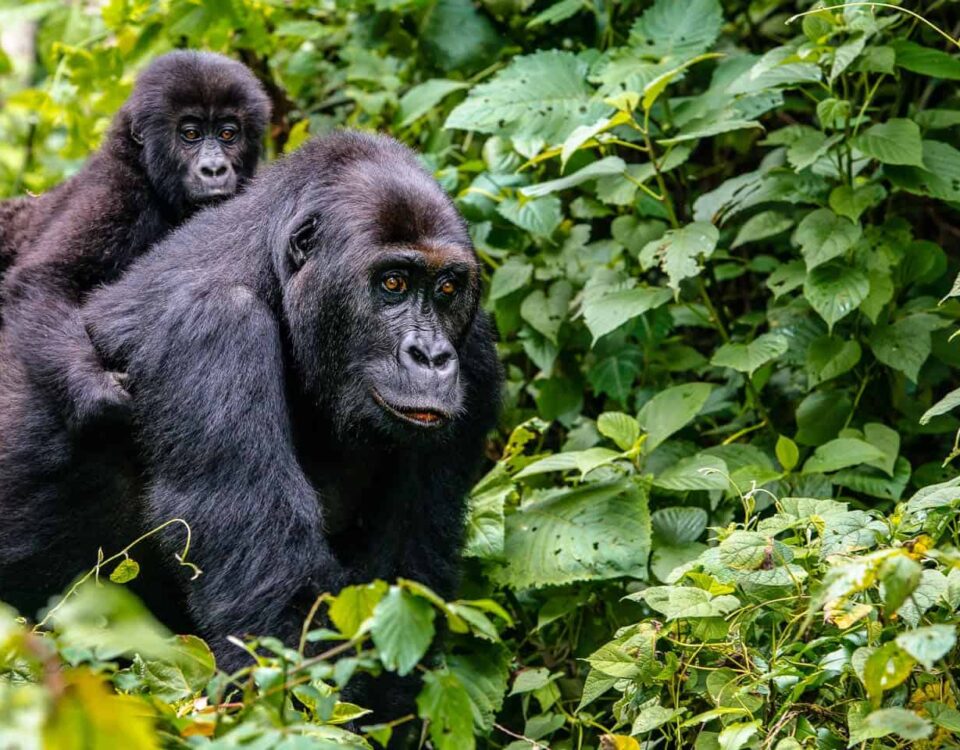
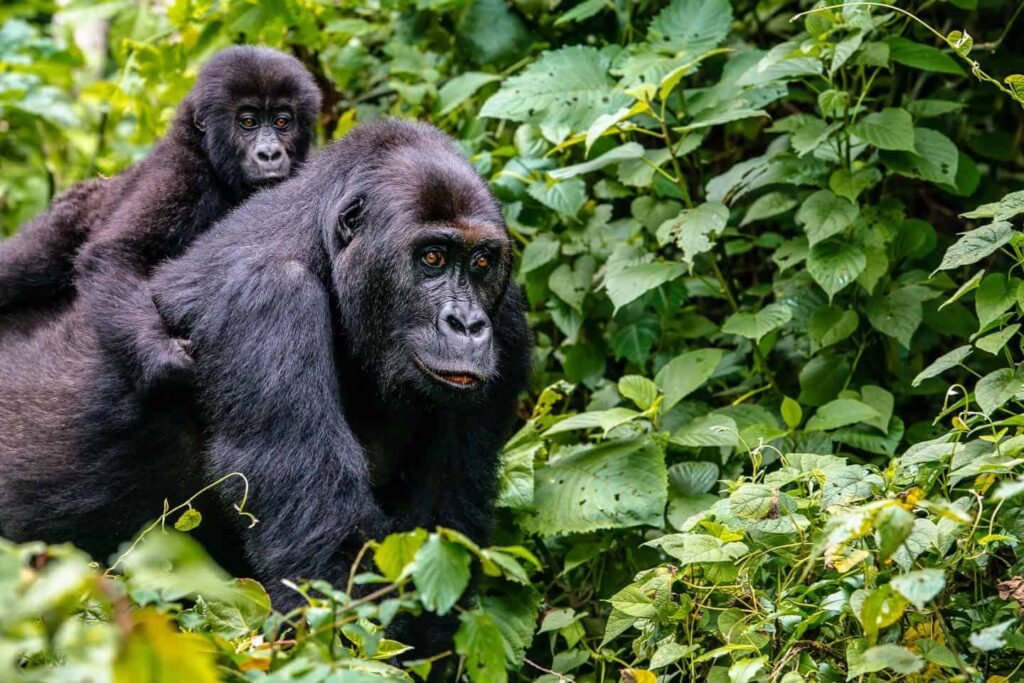
Second, gorilla trekking creates a rare and intimate wildlife experience. However, it also requires strict health guidelines. Humans can transmit respiratory infections to gorillas. This risk makes health screening and hygiene essential before trekking.
Additionally, Uganda’s remote safari locations require careful planning. Access to medical facilities may vary depending on the park. Travelers should carry basic medical supplies and follow professional guidance.
Moreover, Uganda emphasizes eco-friendly tourism practices. Many lodges operate in natural settings with minimal environmental impact. While this enhances authenticity, it also requires travelers to adapt to outdoor conditions.
Kitagata Safaris Uganda highlights these unique factors to ensure safe travel experiences. This expertise strengthens its authority in the tourism industry. Therefore, understanding these features helps travelers prepare effectively.
Wildlife in Uganda Safari: How Do Animals Influence Health Risks?
Are There Any Health Risks on a Uganda Safari when exploring Wildlife in Uganda safari? Wildlife encounters form the heart of every Uganda safari. At the same time, they require responsible behavior to ensure safety.
Gorilla trekking presents a specific health consideration. Humans share genetic similarities with gorillas. This connection increases the risk of disease transmission. Travelers must follow strict guidelines, including maintaining safe distances and wearing masks when necessary.
Additionally, other wildlife species do not pose direct health risks when observed responsibly. Professional guides ensure safe distances during game drives and walks. This guidance minimizes potential dangers.
Furthermore, insect exposure remains a key concern in wildlife areas. Mosquitoes can transmit malaria, which requires preventive measures. Using insect repellent and sleeping under treated nets reduces risk significantly.
Water-related activities may also expose travelers to certain parasites. Avoiding direct contact with untreated water helps prevent infections. Lodges and guides provide clear instructions to ensure safety.
Kitagata Safaris Uganda prioritizes safe wildlife interactions. This focus ensures that travelers enjoy unforgettable experiences without compromising health. Therefore, wildlife encounters remain both exciting and secure.
Activities in Uganda Safari: What Health Precautions Should Travelers Take During Activities?
Are There Any Health Risks on a Uganda Safari when engaging in Activities in Uganda safari? Each activity presents unique health considerations that travelers must address.
Gorilla trekking involves hiking through dense forests. This activity requires physical fitness and proper gear. Wearing sturdy boots and carrying water ensures comfort and safety during the trek.
Game drives present minimal health risks when conducted properly. Travelers should follow guide instructions and remain inside vehicles. This approach ensures safety while observing wildlife.
Additionally, cultural visits provide enriching experiences. Travelers interact with local communities and explore traditional lifestyles. Maintaining hygiene and respecting local practices ensures a positive experience.
Boat cruises and nature walks require awareness of environmental conditions. Sun protection, hydration, and appropriate clothing help prevent discomfort. These simple measures enhance the overall safari experience.
Moreover, food safety plays a crucial role during activities. Eating at reputable lodges and drinking bottled water reduces the risk of illness. Travelers should avoid untreated water and raw foods from uncertain sources.
Kitagata Safaris Uganda ensures that all activities meet safety standards. This commitment enhances traveler confidence and satisfaction. Therefore, proper precautions allow travelers to enjoy every aspect of their safari.
Conservation and Challenges: How Do Health Risks Impact Sustainability?
Are There Any Health Risks on a Uganda Safari in relation to Conservation and Challenges? Health considerations play a significant role in protecting both travelers and wildlife.
Gorilla conservation depends heavily on strict health protocols. Preventing disease transmission from humans to gorillas remains a top priority. This responsibility requires cooperation from every traveler.
Additionally, tourism growth introduces challenges related to environmental health. Increased visitor numbers can strain natural resources. Responsible tourism practices help mitigate these effects.
Moreover, community health connects closely with tourism sustainability. Local communities benefit from tourism revenue. At the same time, maintaining public health ensures long-term success.
Travelers contribute to conservation by following guidelines and supporting eco-friendly lodges. These actions promote sustainable tourism and protect Uganda’s natural heritage.
Kitagata Safaris Uganda emphasizes responsible travel practices. This approach strengthens its reputation as a trusted tourism provider. As a result, health awareness supports conservation goals.
Getting to Uganda Safari: What Health Preparations Are Needed Before Travel?
Are There Any Health Risks on a Uganda Safari when planning Getting to Uganda safari? Preparation begins before travelers arrive in Uganda.
Vaccinations form a critical part of travel preparation. Yellow fever vaccination remains mandatory for entry into Uganda. Additional vaccines, including typhoid and hepatitis, enhance protection.
Additionally, travelers should consult healthcare professionals before departure. Medical advice ensures that individuals receive appropriate medications and guidance. Anti-malarial medication often forms part of this preparation.
Travel insurance provides an added layer of security. It covers medical emergencies and unexpected situations. This protection ensures peace of mind throughout the journey.
Furthermore, packing essential medical supplies helps address minor health concerns. Items such as insect repellent, sunscreen, and basic medications prove useful during the safari.
Kitagata Safaris Uganda provides detailed pre-travel guidance. This support ensures that travelers arrive well-prepared and confident. Therefore, preparation plays a key role in minimizing health risks.
Accommodation in Uganda Safari: How Do Lodges Maintain Health and Safety Standards?
Are There Any Health Risks on a Uganda Safari when considering Accommodation in Uganda safari? Accommodation plays a vital role in maintaining health and safety during a safari.
Most safari lodges follow strict hygiene and sanitation standards. They provide clean rooms, safe drinking water, and well-prepared meals. These measures reduce the risk of food and waterborne illnesses.
Additionally, many lodges use mosquito control methods. These include treated bed nets, screened windows, and regular maintenance. Such precautions protect guests from insect-borne diseases.
Furthermore, lodges often employ trained staff who understand health and safety protocols. Their knowledge ensures prompt response to any concerns. This professionalism enhances guest confidence.
Eco-lodges also prioritize environmental health. They operate sustainably while maintaining high comfort standards. This balance supports both conservation and traveler well-being.
Kitagata Safaris Uganda carefully selects accommodations that meet these standards. This approach ensures safe and comfortable stays for all travelers. Therefore, accommodation contributes significantly to overall health safety.
Best Time to Visit Uganda Safari: How Does Timing Affect Health Risks?
Are There Any Health Risks on a Uganda Safari when considering Best Time to Visit Uganda safari? Seasonal changes influence health conditions and travel experiences.
Dry seasons offer favorable conditions for most safari activities. Reduced rainfall lowers mosquito activity and improves accessibility. These factors contribute to a more comfortable experience.
However, wet seasons bring lush landscapes and fewer crowds. Increased rainfall may raise mosquito populations. Travelers must take additional precautions during this period.
Temperature variations also affect comfort levels. Packing appropriate clothing ensures protection against heat and rain. Staying hydrated remains essential throughout the safari.
Additionally, seasonal changes influence food availability and activity options. Travelers should plan accordingly to maintain health and comfort.
Kitagata Safaris Uganda provides expert advice on travel timing. This guidance helps travelers make informed decisions. Therefore, understanding seasonal factors enhances both safety and enjoyment.
Conclusion: Are There Any Health Risks on a Uganda Safari and How Can You Stay Safe?
Are There Any Health Risks on a Uganda Safari? Yes, certain risks exist, but they remain manageable with proper preparation and awareness. Uganda offers safe and rewarding safari experiences for well-prepared travelers.
Understanding health considerations allows travelers to take preventive measures. Vaccinations, hygiene practices, and responsible behavior significantly reduce risks. These steps ensure a smooth and enjoyable journey.
Moreover, Uganda’s tourism industry maintains strong safety standards. Professional guides, quality accommodations, and structured activities support traveler well-being. This infrastructure enhances confidence and trust.
Kitagata Safaris Uganda continues to lead in providing reliable and safe safari experiences. Its commitment to health and safety strengthens its authority in the African tourism industry.
Ultimately, a Uganda safari offers unforgettable adventures without compromising health. Travelers who prepare effectively can explore Uganda with confidence and peace of mind.