Are There Solo Traveler Options for Uganda Safaris?
April 9, 2026
Can I Combine Gorilla Trekking with Other Activities?
April 9, 2026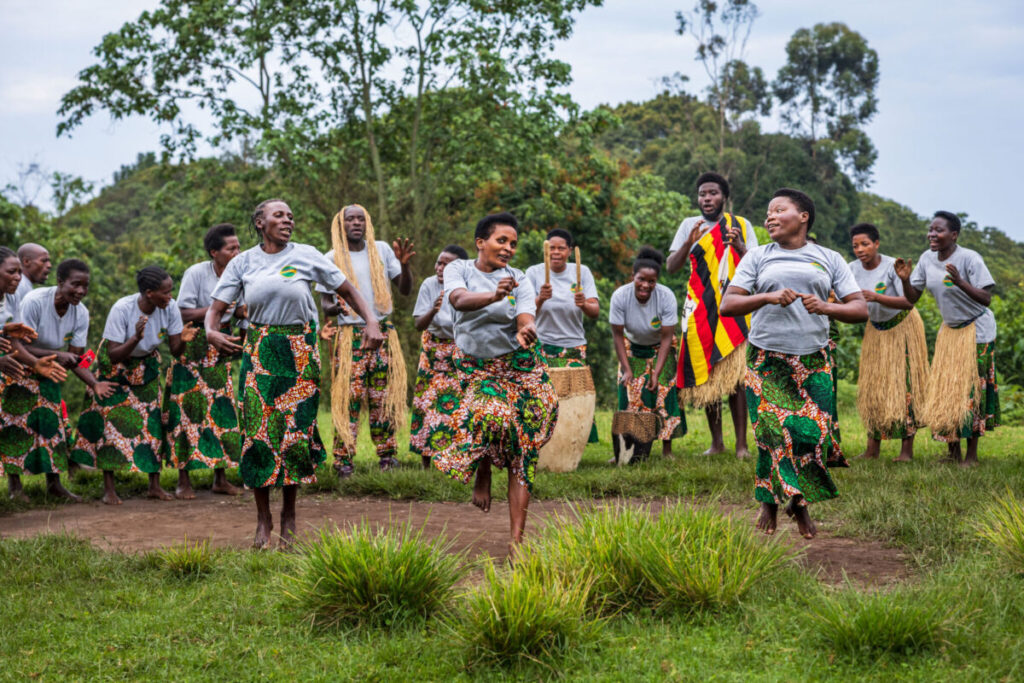
What’s the Tipping Culture Like on Uganda Safaris?
What’s the tipping culture like on Uganda safaris? Uganda offers a rich and rewarding safari experience. However, understanding local customs enhances every aspect of the journey. Tipping forms part of that cultural awareness. Therefore, travelers who understand tipping practices enjoy smoother and more respectful interactions.
A Uganda safari combines wildlife encounters, cultural immersion, and personalized service. Guides, drivers, lodge staff, and porters work tirelessly to deliver memorable experiences. Although tipping remains optional, it reflects appreciation for excellent service. This gesture also supports local livelihoods in meaningful ways. As a result, tipping holds value beyond simple gratitude.
Moreover, Uganda’s tourism industry depends on human connection. Service providers create unforgettable moments through dedication and expertise. Travelers who recognize this effort contribute to sustainable tourism practices. Consequently, tipping becomes part of responsible travel behavior.
Overview of Uganda Safari
Uganda’s safari industry operates through personalized and service-driven tourism. Every safari involves a team of professionals who ensure safety, comfort, and memorable exploration. These teams include guides, drivers, trackers, lodge staff, and porters.
A Uganda safari often includes visits to national parks, wildlife reserves, and cultural communities. Each destination requires coordination and expert handling. Therefore, service quality plays a central role in the overall experience. Travelers depend heavily on knowledgeable guides and skilled drivers. These professionals enhance wildlife sightings and ensure smooth logistics.
Tipping fits naturally into this structure. Although it remains optional, it reflects recognition of excellent service. Many travelers choose to tip at the end of their safari experience. This approach allows them to evaluate service quality before offering appreciation.
Additionally, Uganda’s tourism sector supports many local communities. Income from tourism often supplements wages for service providers. Therefore, tipping contributes directly to local economic growth. Travelers who understand this context engage more meaningfully with their surroundings.
Ultimately, Uganda safari experiences depend on human interaction. Tipping becomes a respectful and thoughtful gesture within this dynamic system.
Unique Features of Uganda Safari
Uganda offers a unique balance between professionalism and cultural authenticity. Service providers focus on genuine hospitality rather than transactional interactions. This approach shapes how tipping is perceived across the safari experience.
Unlike some destinations where tipping feels obligatory, Uganda maintains a flexible approach. Travelers enjoy freedom to decide whether and how much to tip. This flexibility reduces pressure and allows genuine appreciation to guide decisions. As a result, tipping feels more meaningful and less routine.
Uganda’s smaller and less crowded safari environment also enhances personal connections. Guides often spend extended time with travelers, sharing knowledge and stories. This interaction builds trust and mutual respect. Consequently, tipping becomes a natural expression of gratitude.
Another unique feature involves the diversity of roles within safari teams. Each team member contributes differently to the experience. Guides interpret wildlife behavior, drivers navigate challenging terrains, and lodge staff ensure comfort. Porters assist during activities like gorilla trekking. Recognizing these contributions helps travelers tip thoughtfully.
Furthermore, Uganda emphasizes community-based tourism. Many lodges and tours involve local communities directly. Therefore, tipping supports not only individuals but also broader community development.
Activities in Uganda Safari
Different safari experiences involve various service providers. Each activity presents unique opportunities to show appreciation.
Gorilla trekking stands as one of Uganda’s most iconic activities. During this experience, travelers interact with guides, trackers, and porters. Guides lead the trek and provide essential information. Trackers locate gorilla families and ensure safety. Porters assist with carrying bags and supporting hikers. Tipping these individuals reflects appreciation for their effort and expertise.
Game drives also involve key service providers. Driver-guides play a crucial role in wildlife viewing. They track animals, share knowledge, and ensure safety throughout the journey. Travelers often tip driver-guides at the end of the safari.
Boat safaris and nature walks involve additional guides and crew members. These professionals enhance the experience through interpretation and safety measures. Tipping acknowledges their contribution to a memorable journey.
Cultural visits add another dimension to tipping practices. Travelers engage with local performers, artisans, and community guides. Small tips or purchases support these communities directly.
Overall, tipping varies depending on the activity. However, the principle remains consistent. Appreciation for effort and service guides every decision.
Getting to Uganda Safari
The safari experience begins at the airport and continues until departure. Throughout this journey, travelers encounter various service providers.
Airport transfers often include drivers who assist with luggage and transportation. Offering a small tip shows appreciation for their service. This gesture sets a positive tone for the entire safari.
During the safari, transportation plays a major role. Drivers navigate long distances and challenging terrains. Their skill ensures safety and comfort. Therefore, tipping drivers reflects recognition of their expertise.
Guides remain central to the safari experience. They provide knowledge, ensure safety, and create memorable encounters. Travelers often tip guides at the end of the safari. This approach allows a comprehensive evaluation of their service.
At lodges, staff members handle multiple responsibilities. They prepare meals, clean rooms, and provide hospitality services. Many lodges offer a communal tipping box. Travelers can contribute to this pool, which management distributes among staff.
Finally, departure services may involve additional assistance. Offering small tips during this stage completes the journey respectfully.
Accommodation in Uganda Safari
Lodges and camps form a vital part of the safari experience. These establishments employ teams dedicated to guest comfort and satisfaction.
Lodge staff include housekeepers, chefs, waiters, and maintenance teams. Each member contributes to a seamless stay. Travelers often interact with several staff members daily. Therefore, individual tipping may become complex.
To simplify this process, many lodges provide a central tipping box. Guests can leave a single contribution at the end of their stay. Management then distributes the tips among staff members. This system ensures fairness and efficiency.
However, travelers may choose to tip specific staff members directly. For example, exceptional service from a guide or waiter may warrant personal recognition. This approach adds a personal touch to the gesture.
Luxury lodges often maintain higher service standards. However, tipping expectations remain flexible. Mid-range and budget accommodations follow similar practices.
Currency also plays an important role. US dollars and Ugandan Shillings remain widely accepted. Small denominations work best for tipping purposes.
Ultimately, lodge tipping reflects appreciation for hospitality. Travelers who understand this system navigate it with ease and confidence.
Best Time to Visit Uganda Safari
Uganda offers year-round safari opportunities. However, seasonal variations influence travel patterns and service dynamics.
During peak seasons, safari destinations experience higher visitor numbers. Guides and staff handle increased workloads. Therefore, tipping during this period reflects appreciation for their dedication under pressure.
Dry seasons attract many travelers due to favorable wildlife viewing conditions. Trails remain accessible, and animals gather near water sources. Service providers often work longer hours during this time. Tipping acknowledges their commitment.
Wet seasons bring fewer tourists and quieter environments. Staff members may provide more personalized attention. Travelers often enjoy deeper interactions with guides and lodge teams. Tipping during this period still holds importance, even with reduced crowds.
Seasonal changes also affect activities. Gorilla trekking may become more challenging during rainy months. Porters and guides provide additional support under these conditions. Recognizing their effort through tipping becomes especially meaningful.
Ultimately, tipping practices remain consistent throughout the year. However, understanding seasonal dynamics helps travelers appreciate the effort behind each experience.
Cultural Experiences Around Safari Lodges
Uganda offers rich cultural interactions near many safari lodges. These experiences connect travelers with local traditions and lifestyles.
Visitors often attend traditional dance performances and storytelling sessions. Performers dedicate time and effort to share their heritage. Offering a small tip or purchasing crafts supports their work directly.
Craft markets provide opportunities to engage with local artisans. Travelers can buy handmade items such as baskets and jewelry. These purchases often replace direct tipping while supporting livelihoods.
Community visits allow deeper engagement. Travelers explore villages, learn daily routines, and interact with residents. Local guides facilitate these experiences. Tipping these guides shows appreciation for their knowledge and hospitality.
Food experiences also play an important role. Guests may enjoy traditional meals prepared by local communities. A small tip acknowledges the effort and skill involved.
Respect remains essential during cultural interactions. Travelers should approach tipping with sensitivity and awareness. Each gesture should reflect genuine appreciation rather than obligation.
Conservation and Challenges
Uganda’s tourism industry emphasizes sustainability and community involvement. Tipping contributes indirectly to these efforts.
Service providers often come from local communities. Income from tourism supports families and reduces reliance on natural resources. Therefore, tipping helps strengthen conservation initiatives.
Gorilla trekking provides a strong example. Revenue from permits and tourism supports habitat protection. Guides, trackers, and porters play essential roles in this system. Tipping acknowledges their contribution to conservation efforts.
However, challenges remain within the tourism sector. Economic disparities and environmental pressures affect communities. Responsible travel practices help address these issues.
Travelers who tip thoughtfully support ethical tourism. They contribute to fair income distribution and community development. This approach aligns with sustainable travel principles.
Furthermore, choosing reputable tour operators enhances positive impact. These operators prioritize fair wages and community partnerships. Tipping complements these efforts by providing additional support.
Conclusion: What’s the Tipping Culture Like on Uganda Safaris? Final Insights for Travelers
What’s the tipping culture like on Uganda safaris? The answer reflects flexibility, respect, and appreciation. Tipping remains optional but highly valued across the safari experience. It serves as a meaningful way to recognize exceptional service.
Uganda safari experiences depend on dedicated professionals. Guides, drivers, lodge staff, and community members work together to create unforgettable journeys. Tipping acknowledges their effort and expertise.
Travelers who understand tipping practices engage more confidently. They navigate cultural expectations with ease and respect. This awareness enhances the overall safari experience.
Kitagata Safaris Uganda encourages responsible and informed travel. Understanding tipping culture forms part of this approach. Travelers contribute positively to communities and conservation efforts through thoughtful gestures.
Ultimately, Uganda offers more than wildlife encounters. It provides human connections, cultural insights, and transformative experiences. Tipping becomes a small yet powerful part of this journey.