

Is It Appropriate to Take Photos During Cultural Experiences?
March 9, 2026
Supporting Local Communities by Buying Authentic Local Crafts
March 10, 2026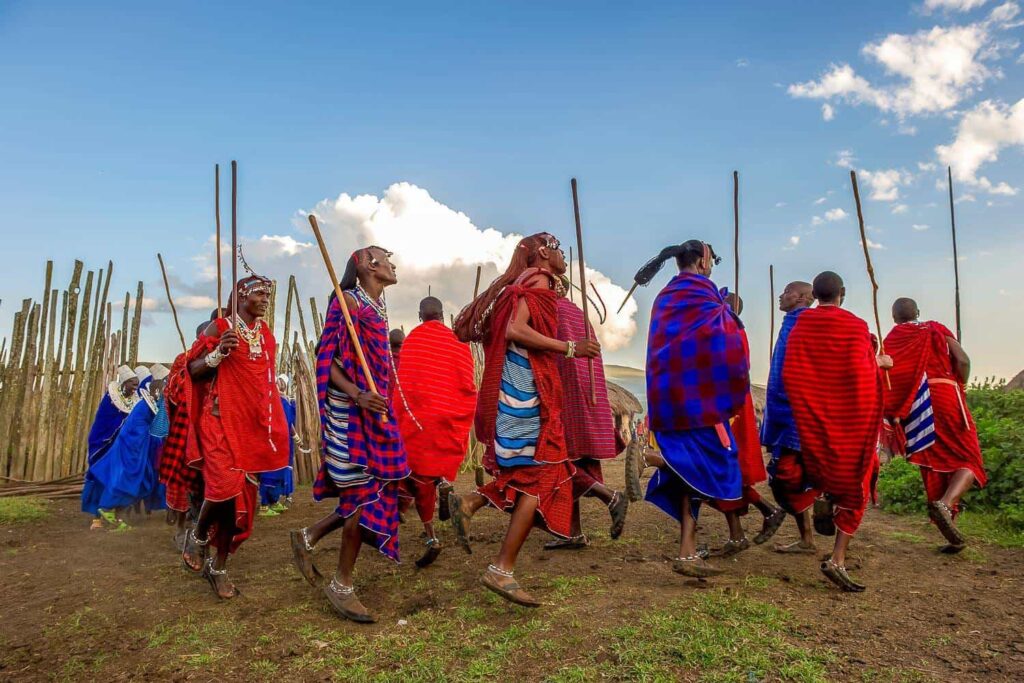
Why Cultural Etiquette Matters on Tanzania Cultural Safaris
Tanzania Cultural Safaris open a doorway into some of the most vibrant living traditions in Africa. Travelers encounter welcoming communities, colorful ceremonies, and deeply rooted cultural values. Every meaningful cultural encounter depends on respect, curiosity, and cultural awareness. Understanding local etiquette enhances every moment of Tanzania Cultural Safaris while building genuine connections with communities.
Many visitors travel to Tanzania for wildlife experiences. However, cultural tourism now attracts travelers seeking authentic human connections. Communities across Tanzania maintain proud traditions that reflect centuries of heritage. Visitors who respect these customs enjoy warmer welcomes and deeper experiences during Tanzania Cultural Safaris.
Cultural etiquette remains a key foundation of responsible travel. Small gestures show respect and strengthen relationships between guests and hosts. Handshakes, greetings, and modest behavior communicate appreciation for local traditions. These actions shape the quality of interactions throughout Tanzania Cultural Safaris.
For example, Tanzanian communities value respectful greetings and polite gestures. Visitors should use the right hand when shaking hands or receiving gifts. Local traditions consider the left hand unclean in many cultural contexts. Simple awareness of such customs makes Tanzania Cultural Safaris smoother and more enjoyable.
This cultural awareness also supports sustainable tourism. Respectful visitors help preserve traditions while supporting community livelihoods. Cultural tourism becomes more meaningful when travelers approach every interaction with humility and openness.
Travelers exploring Tanzania Cultural Safaris also gain opportunities to learn about traditional lifestyles, crafts, music, and cuisine. These experiences expand global understanding and encourage cultural exchange. Every visitor becomes part of a larger story of cultural appreciation.
Why Choose Kitagata Safaris Uganda for Tanzania Cultural Safaris?
Kitagata Safaris Uganda designs cultural journeys that prioritize authentic engagement and responsible tourism. The company collaborates with trusted community partners across Tanzania. These partnerships ensure ethical travel experiences that benefit local families and cultural custodians.
Guests receive professional guidance before every cultural visit. This preparation includes etiquette advice, cultural insights, and expectations for respectful interaction. These thoughtful preparations enrich the overall Tanzania Cultural Safaris experience.
The following guide explains the cultural etiquette travelers should follow during Tanzania Cultural Safaris. It also explores cultural activities, destinations, accommodations, and practical travel advice. The goal involves helping travelers experience Tanzania with respect, understanding, and unforgettable memories.
Cultural Etiquette Essentials During Tanzania Cultural Safaris
Respectful greetings form the foundation of social interaction across Tanzanian communities. Travelers on Tanzania Cultural Safaris should approach greetings with patience and sincerity. Locals appreciate thoughtful introductions and friendly smiles.
The right hand plays an important role during greetings. Visitors should always use the right hand for handshakes, giving items, and receiving gifts. Many communities across East Africa associate the left hand with unclean tasks. Using the right hand demonstrates cultural awareness and respect during Tanzania Cultural Safaris.
Handshakes often appear gentle and prolonged compared with Western customs. Travelers should avoid rushing these greetings. Eye contact, a smile, and polite words strengthen the interaction.
Visitors should also greet elders first whenever possible. Age carries great respect in Tanzanian societies. Showing courtesy toward elders strengthens the relationship between travelers and host communities.
Public displays of affection require caution during Tanzania Cultural Safaris. Local traditions emphasize modest behavior in public spaces. Couples should avoid kissing or hugging in community settings. Respectful conduct helps visitors blend comfortably into local environments.
Dress codes also reflect cultural respect. Visitors should wear modest clothing when visiting villages, markets, or cultural centers. Covering shoulders and knees remains a widely accepted guideline during Tanzania Cultural Safaris.
Respectful photography practices also matter. Travelers should always ask permission before taking photos of individuals or homes. This simple courtesy builds trust and prevents misunderstandings.
These cultural practices create positive experiences for both travelers and hosts. Respectful behavior encourages communities to continue welcoming cultural tourism. This mutual respect defines the spirit of Tanzania Cultural Safaris.
What Can Travelers Expect During Tanzania Cultural Safaris?
Tanzania Cultural Safaris introduce visitors to ethnic groups such as the Maasai, Hadzabe, Chagga, and Datoga. Each community preserves unique traditions, languages, and social structures. Cultural visits allow travelers to witness these traditions in everyday settings.
Maasai people communities offer insights into pastoral lifestyles, traditional dress, and warrior traditions. Visitors learn about cattle culture, community leadership, and family roles.
Hadzabe people experiences reveal one of Africa’s last hunter-gatherer societies. Guests observe traditional hunting techniques, survival skills, and forest knowledge passed through generations.
Chagga people communities around Mount Kilimanjaro showcase agricultural traditions, coffee farming, and historical underground tunnels used during tribal conflicts.
Music and dance often accompany cultural celebrations. Visitors participate in traditional dances and listen to rhythmic drumming performances. These performances reflect spiritual beliefs and community celebrations.
Food experiences also form a key highlight during Tanzania Cultural Safaris. Guests taste local dishes prepared with fresh regional ingredients. Ugali, grilled meats, banana dishes, and traditional stews introduce travelers to Tanzanian culinary traditions.
Local markets present another vibrant cultural experience. Travelers observe colorful produce stalls, handcrafted items, and everyday community interactions. These markets reveal the economic heartbeat of many Tanzanian towns.
Artisan workshops provide opportunities to watch skilled craftspeople create beadwork, carvings, and textiles. Visitors can purchase handmade souvenirs directly from local creators.
Every cultural experience enriches the Tanzania Cultural Safaris journey. Visitors return home with deeper appreciation for Africa’s cultural diversity and resilience.
What Are the Best Places in Tanzania for Tanzania Cultural Safaris?
Mto wa Mbu stands among Tanzania’s most vibrant cultural tourism hubs. Over 120 ethnic groups live in this small town. Visitors explore banana farms, local breweries, and artisan workshops.
Lake Eyasi provides immersive cultural encounters with the Hadzabe and Datoga communities. Visitors join early morning hunting trips and learn about traditional survival techniques.
Mount Kilimanjaro cultural tours highlight the traditions of the Chagga people. Guests explore coffee farms, waterfalls, and historical caves used during ancient tribal wars.
Zanzibar introduces visitors to Swahili culture, Arab heritage, and centuries of maritime trade history. Stone Town offers rich architecture, spice tours, and cultural museums.
Ngorongoro Conservation Area combines wildlife safaris with Maasai cultural experiences. Visitors interact with Maasai communities while learning about pastoral traditions.
These destinations allow travelers to experience the cultural depth of Tanzania Cultural Safaris. Each region reveals unique traditions shaped by geography, history, and community life.
Cultural Experiences Around Safari Lodges During Tanzania Cultural Safaris
Village walks remain one of the most rewarding cultural experiences. Guided visits introduce travelers to daily rural life, farming practices, and traditional homes. Visitors interact with families and learn about community routines.
Traditional cooking classes provide memorable experiences during Tanzania Cultural Safaris. Guests learn to prepare local dishes using traditional cooking techniques. These sessions often take place in family kitchens or lodge culinary spaces.
Music and dance performances frequently occur at cultural lodges. Local performers share storytelling through rhythm, song, and movement. These performances preserve traditions while entertaining visitors.
Handicraft workshops also enrich cultural safaris. Guests learn beadwork, basket weaving, and wood carving from local artisans. Travelers create personal souvenirs while supporting community livelihoods.
Agricultural tours provide deeper insight into rural lifestyles. Visitors explore coffee plantations, banana farms, and spice gardens. These experiences connect travelers with the agricultural roots of Tanzanian communities.
Cultural storytelling evenings also highlight historical traditions. Elders and community guides share folklore, legends, and ancestral wisdom.
These activities transform Tanzania Cultural Safaris into immersive journeys beyond wildlife viewing. Travelers experience the human stories that shape Tanzania’s cultural landscape.
How Much Are the Permits and Cultural Fees During Tanzania Cultural Safaris?
Village visits typically require a community contribution ranging between 20 and 50 USD per visitor. These funds support local education, healthcare, and infrastructure projects.
Specialized experiences, such as Hadzabe hunting expeditions or Maasai cultural ceremonies, may cost between 50 and 120 USD depending on group size and duration.
These contributions directly benefit host communities participating in Tanzania Cultural Safaris. Responsible tour operators ensure transparent payment structures that support local development.
Kitagata Safaris Uganda ensures fair compensation for community guides, performers, and artisans. This responsible approach strengthens community partnerships while preserving cultural heritage.
Travelers should view these fees as investments in sustainable tourism. Cultural tourism thrives when communities benefit directly from visitor experiences.
What Can Travelers Pack for Tanzania Cultural Safaris?
Modest clothing should form the foundation of every packing list. Lightweight long pants, knee-length skirts, and shirts covering shoulders work well during village visits.
Comfortable walking shoes remain essential. Cultural safaris often involve village walks, market exploration, and farm visits.
Travelers should also pack a light scarf or shawl. This item helps maintain modest dress standards in conservative communities.
Sun protection items such as hats, sunglasses, and sunscreen help travelers stay comfortable under Tanzania’s tropical sun.
Reusable water bottles encourage environmentally responsible travel. Many safari lodges provide safe refill stations.
Visitors interested in photography should bring cameras with respectful awareness. Always request permission before photographing individuals during Tanzania Cultural Safaris.
Small cultural gifts such as school supplies or educational materials may benefit community schools when given through local guides.
Thoughtful packing enhances comfort and cultural respect throughout Tanzania Cultural Safaris.
Can I Combine Uganda Cultural Safaris with Tanzania Cultural Safaris?
Uganda and Tanzania share rich cultural traditions shaped by Bantu, Nilotic, and Cushitic heritage. Combining these destinations creates a diverse cultural journey across East Africa.
Visitors exploring Uganda Cultural Safaris experience kingdoms, traditional music, and indigenous communities such as the Batwa forest people.
Kitagata Safaris Uganda specializes in designing seamless multi-country itineraries connecting Uganda and Tanzania.
Travelers may begin with gorilla trekking in Bwindi Impenetrable National Park before continuing to Tanzania for cultural safaris near Serengeti National Park.
These journeys combine wildlife, culture, and landscapes within a single East African adventure.
Cross-border safaris allow travelers to explore multiple traditions while maximizing travel value.
What Does Kitagata Safaris Uganda Offer You on Tanzania Cultural Safaris?
Kitagata Safaris Uganda designs customized itineraries that match each traveler’s interests. Cultural programs include village visits, traditional performances, culinary experiences, and heritage tours.
Professional guides provide cultural interpretation during every visit. These guides bridge language gaps while explaining traditions and social values.
The company also collaborates with ethical lodges and community tourism initiatives. This collaboration ensures that tourism income supports local development.
Safety, cultural respect, and guest comfort guide every itinerary created by Kitagata Safaris Uganda.
Travelers benefit from deep regional knowledge and strong partnerships across East Africa.
The Accommodations During Tanzania Cultural Safaris
Accommodation plays an important role during Tanzania Cultural Safaris. Many lodges partner with nearby communities to provide authentic cultural experiences.
Eco-lodges near cultural tourism sites often employ local staff and support community projects. Guests enjoy comfortable stays while contributing to sustainable tourism.
Several cultural lodges organize evening storytelling sessions, craft markets, and traditional music performances. These experiences bring local traditions directly into the safari environment.
Travelers may stay near destinations such as Ngorongoro Crater or Karatu while exploring nearby villages.
Accommodation options range from luxury safari lodges to charming eco-camps. Every option provides unique cultural perspectives during Tanzania Cultural Safaris.
Why Choose Kitagata Safaris Uganda for Your Tanzania Cultural Safaris?
Kitagata Safaris Uganda combines regional expertise with a deep commitment to responsible tourism. The company builds strong partnerships with local communities across Tanzania and Uganda.
Every itinerary reflects cultural respect, ethical tourism practices, and personalized travel planning.
Guests receive professional guidance before every cultural encounter. This preparation ensures respectful engagement with host communities.
The company also prioritizes sustainable tourism that benefits local people. Cultural tourism thrives when communities gain direct economic and social benefits.
Travelers choosing Kitagata Safaris Uganda gain access to authentic experiences, knowledgeable guides, and carefully designed itineraries.
Conclusion: Experience Authentic Connections Through Tanzania Cultural Safaris
Tanzania Cultural Safaris provide more than sightseeing experiences. They offer meaningful connections with people, traditions, and living heritage.
Travelers who understand cultural etiquette enjoy richer interactions and deeper cultural appreciation. Simple actions such as using the right hand for greetings or avoiding public displays of affection demonstrate respect.
These gestures strengthen relationships between visitors and host communities. Respectful tourism preserves traditions while supporting sustainable livelihoods.
Kitagata Safaris Uganda invites travelers to discover the cultural richness of Tanzania through thoughtfully designed safaris.
Tanzania Cultural Safaris promise unforgettable encounters, vibrant traditions, and powerful human stories. Visitors leave with new perspectives and lasting memories of Africa’s cultural diversity.
The journey begins with curiosity, respect, and the desire to connect with the people who shape Tanzania’s cultural identity.
